
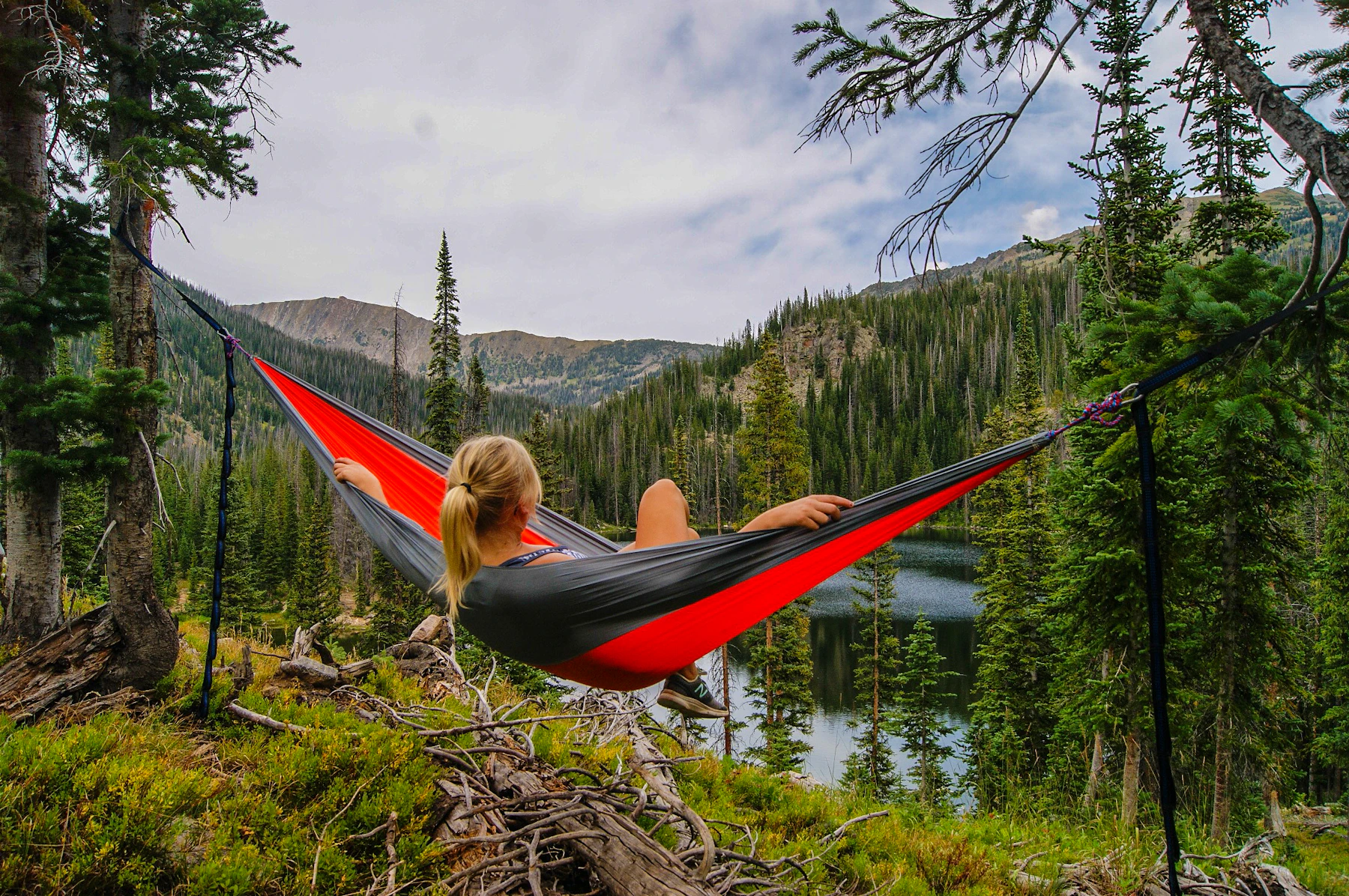
A Danish shelter is a free three-sided wooden hut you sleep in, and the question that decides your night is whether this particular one has to be booked. Roughly half do. Naturstyrelsen, the Danish Nature Agency, says its primitive overnight sites are free to use, both for sleeping and for sitting around the fire, and that you may stay up to two consecutive nights. Checked September 2, 2026.
Booked or walk-up, and the two deadlines that cancel your night
Some shelters can be booked three months ahead at book.naturstyrelsen.dk. Two deadlines sit behind that booking, and missing either one takes the night away from you. You have to confirm the booking no later than six days before, or Naturstyrelsen cancels it automatically. Once confirmed, you have to take the shelter into use by 20:00. Arrive at half past nine with a confirmed booking and you have no claim on it.
The other half cannot be booked at all. The agency’s wording is that if you arrive first at a shelter that cannot be booked, you have the right to use it for up to two consecutive nights. Arrive first is doing the work in that sentence. On a July Friday in a forest within reach of Copenhagen or Aarhus, first means mid-afternoon.
The split is close to even, so you cannot guess it: of the 1,050 free Danish sites listed here, 502 need booking and 507 take walk-ups. Every place page says which, and links to the operator’s own listing. If you are picking an area first, start on Denmark or the Denmark map.
What is actually at the site
Less than a campsite, and it varies more than you would expect. Møns Klint on the east coast of Møn is a well equipped example: four shelters sleeping six each around a central fire pit, drinking water on site, a primitive toilet, and firewood you gather in the forest rather than buy. Naturstyrelsen Storstrøm lists the shelters there as bookable, maximum two nights. Checked September 2, 2026.
Water is the thing to check first, because more Danish sites say no than say yes. Of the ones listed here, 434 record no drinking water against 367 that have it. Carry the night’s water and treat a tap as a bonus.
Toilets you cannot plan by pattern. Naturstyrelsen says some sites have water and a primitive toilet, which in practice is a muldtoilet, a composting toilet in a wooden box. The site’s own listing names one if it is there. If it does not, pack for no toilet.
Fires go in the built fire pits only. The agency’s rule is open fire at the bålpladser laid out for it and nowhere else, and you may collect dry branches and twigs from the forest floor rather than cut anything.
If everything is taken: fri teltning
The state’s fallback is a tent, not a longer search. Naturstyrelsen runs fri teltning, free tenting, in 275 state forests where you can pitch for the night without asking permission first. The conditions are tight, and they are the whole permission. Checked September 2, 2026:
- One overnight stay in the same place, two tents at most, of the three-person size.
- Under the trees, on tree-covered ground. Not on beaches, not in dunes, and not on meadows, bogs, heath, fields or any other clearing where there are no trees to hide the tent.
- Out of sight of other people in the forest, whether on the paths or the roads, and out of sight of buildings.
- Dogs welcome, on the leash, including at the pitch.
That permission covers the agency’s own 275 forests and nothing else. Municipal land, private woods and the dunes are the owner’s call. How the rest of the region compares is on the Nordic right to roam page.
In a vehicle, none of this reaches you
Naturstyrelsen puts it in one line: motorkørsel er ikke tilladt i statens skov- og naturområder. Motor traffic is not allowed in state forest and nature areas. Its English pages state the same rule from the other side, that vehicle access is only permitted where it is signposted or where you hold a special permit.
So the shelters are places you park near and walk into, which is fine if you came to walk, cycle or paddle. If you came to sleep in the vehicle, Denmark has very little of that, and you want a campsite or a signed motorhome stopover instead.
Before you count on a night
The posted sign at the site and the operator’s current word beat any website, this one included. Sites close for forestry work, fire risk and maintenance, often at short notice, and the agency’s own listing is where a closure shows up first.
Sources
- Primitive overnatningspladser og shelters, Naturstyrelsen
- Fri teltning, Naturstyrelsen
- Sleeping outside in nature, The Danish Nature Agency (English)
- Book shelters, lejrpladser og ly på Naturstyrelsens arealer, Naturstyrelsen
- Møns Klint Shelter - 1, udinaturen.dk (Naturstyrelsen Storstrøm)
- Ud i naturen, Denmark's guide to nature and outdoor facilities
When a source is not in English, follow the link for the official wording.