
In a motorhome you sleep in Sweden where parking is allowed, not where the right to roam takes you. That is the whole difference from a tent, and it decides every night of the trip.
Allemansrätten stops at the vehicle
Naturvårdsverket, the Swedish Environmental Protection Agency, puts it in one sentence on its page about motorhomes, caravans and roof tents: setting up a motorhome, a caravan with a towing vehicle, or a vehicle with a roof tent is not part of allemansrätten. Checked August 26, 2026; the page itself carries a review date of December 16, 2024.
Behind that sits terrängkörningslagen, the off-road driving act of 1975. Section 1 bans driving a motor vehicle in terrain anywhere in the country on snow-free ground, except for agriculture and forestry. Section 4 makes it punishable by a fine, whether you did it deliberately or carelessly.
The word people misjudge is terrain. Naturvårdsverket writes that practically all natural land counts as terrain in law, and names beaches, pastures, parkland and lawns alongside forest and open country. The track onto the meadow, the sand strip by the lake, the grass behind the parking area: all terrain. The ban binds the landowner too, so nobody can hand you permission to drive onto their own ground.
What you can still do with a tent is on wild camping in Sweden. From the vehicle onward, this is parking law.
Beside the road: no deadline, but a yardstick
Naturvårdsverket says there is no regulation on how long you may leave a motor vehicle next to a road that is not terrain. It still offers a yardstick: for tents the limit is understood to be a night or two, and a motorhome is probably felt to be more of a nuisance than a tent. Near a house, ask the landowner first, even for one night.
Inside a built-up area the rule is exact. The road traffic ordinance allows a vehicle to stand at most 24 hours in a row on municipal public land in a built-up area and inside the road area of a public road, on weekdays, excluding the day before a Sunday or public holiday. Arrive on a Friday evening and you are legal until Monday, unless a sign says otherwise.
Rest areas: 24 hours, and no grey water
Trafikverket runs about 270 rest areas, all with toilets, tables, benches and bins. The agency states plainly that they are for travelers stopping for a while, not for long-parked motorhomes and caravans, and sets the limit at 24 hours at rest areas and signed parking areas. Where a supplementary plate under the P sign says otherwise, the plate wins.
The loose cassette is accepted at some of them, and Trafikverket’s road map shows which. Grey water is accepted nowhere: not into storm drains, not mixed with cassette waste. Build your dump stops around campsites and municipal sites instead.
What a ställplats is
A ställplats is the Swedish stopover: a marked bay, usually run by the municipality, paid by the night, often with a stay cap. Each council sets its own price, and the spread is wide. Three, as they publish them:
- Gävle, Södra Skeppsbron: nine bays with electricity, 300 SEK a night, 48 hours maximum, open all year, service building with showers and a laundry, no advance booking.
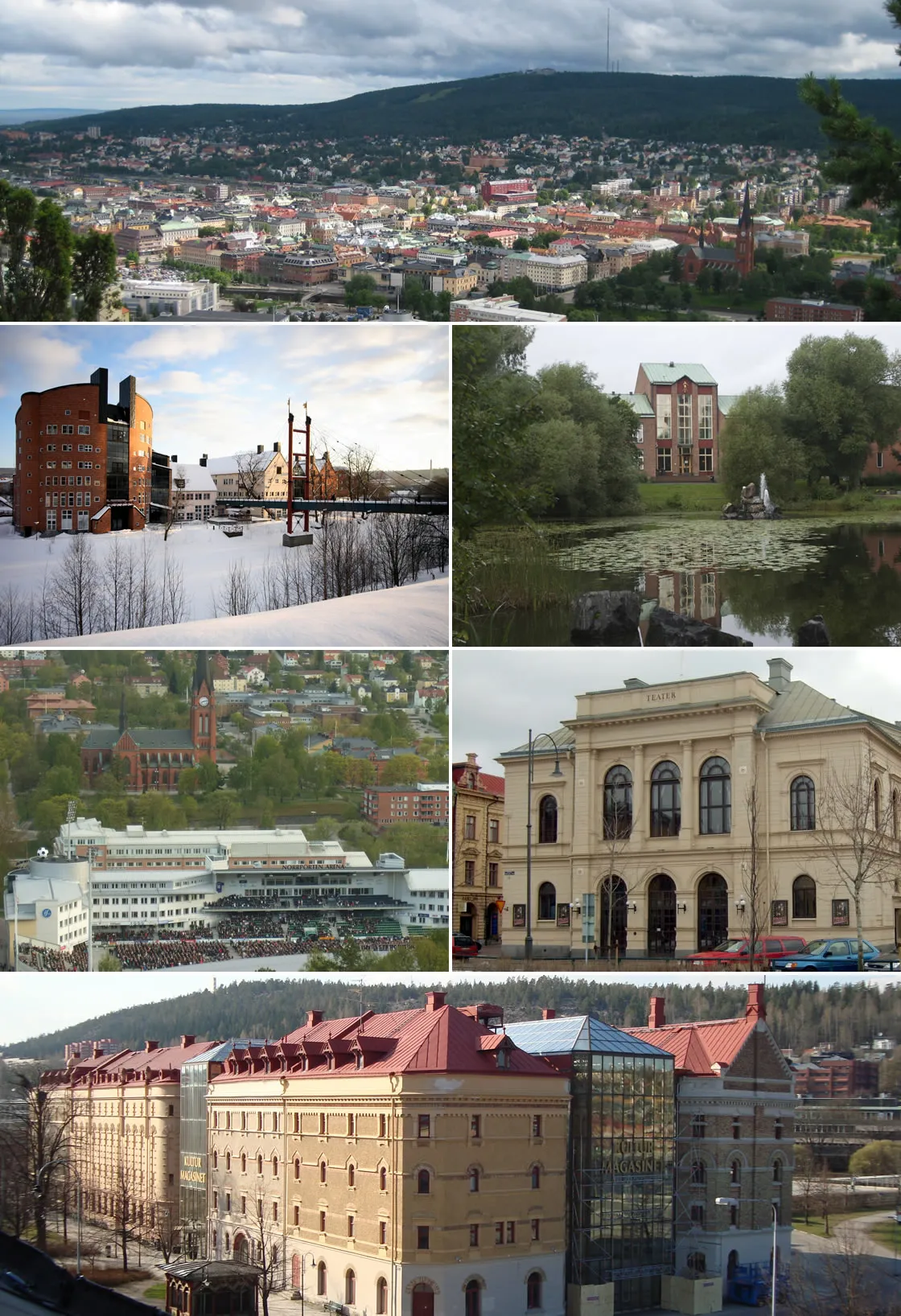
- Sundsvall, Inre Hamn: ten bays without electricity, 250 SEK a night including the service house, May 15 to September 15.
- Kungsbacka: 5 SEK an hour, two nights maximum, at Gottskär harbor, the Ejdern block and the sports center.
Kungsbacka adds two things that travel well across the country. On an ordinary parking space you may generally sleep in the motorhome as long as you are parked legally. Putting out a table, chairs or the awning counts as camping instead, and that is banned on the council’s parking areas. And a sign restricting a space to “Personbil klass I” excludes your motorhome, which is usually klass II.
Getting in
Across the Øresund Bridge you pay by length. Øresundsbron prices motorhomes of 6 to 10 m as their own class: 1,490 SEK one way at the toll station through August 31, 2026, then 1,530 SEK from September 1. A vehicle up to 6 m falls into the car class at 745 SEK, rising to 765 SEK. Roughly 750 SEK turns on 20 centimeters, so measure before you budget. Booking online in advance costs 1,330 SEK, or 1,370 SEK from September.
Inside the country it gets easier. Trafikverket’s road ferries serve more than 40 routes and are free, apart from Ekeröleden and Visingsöleden. Motorhomes are directed into the middle lanes, so you will not be first aboard. How commercial operators band you by length and height is in ferries, and the neighbor next door in motorhome in Norway.
Municipalities can also set their own overnighting and parking rules for motorhomes in their local traffic and public order regulations, rest areas included, and Naturvårdsverket points you at the municipality for exactly that. Where there is a sign, the sign wins. Where there is none, the safest night in Sweden is still a hard surface beside the road rather than a soft one off it, arriving late and leaving early.
Sources
- Husvagn, husbil och taktält i naturen (caravans, motorhomes and roof tents in nature), Naturvårdsverket
- Terrängkörningslag (1975:1313), the off-road driving act, Swedish Government Offices legal database
- Trafikförordning (1998:1276), the Swedish road traffic ordinance
- Rastplatser (rest areas), Trafikverket
- Tips till dig som ska åka vägfärja (advice for road ferry passengers), Trafikverket
- Ställplatser för husbilar (motorhome stopovers), Gävle kommun
- Parkering för husbil (motorhome parking), Sundsvalls kommun
- Ställplats för husbilar (motorhome stopover), Kungsbacka kommun
- Priset för att köra över Øresundsbron (the price of driving across the Øresund Bridge), Øresundsbron
When a source is not in English, follow the link for the official wording.