What you are arriving at
What the sign says
In Region of Southern Denmark a stopover here means a site a public authority has designated for camping. Not a commercial holiday park, and often little more than a clearing with a water tap.


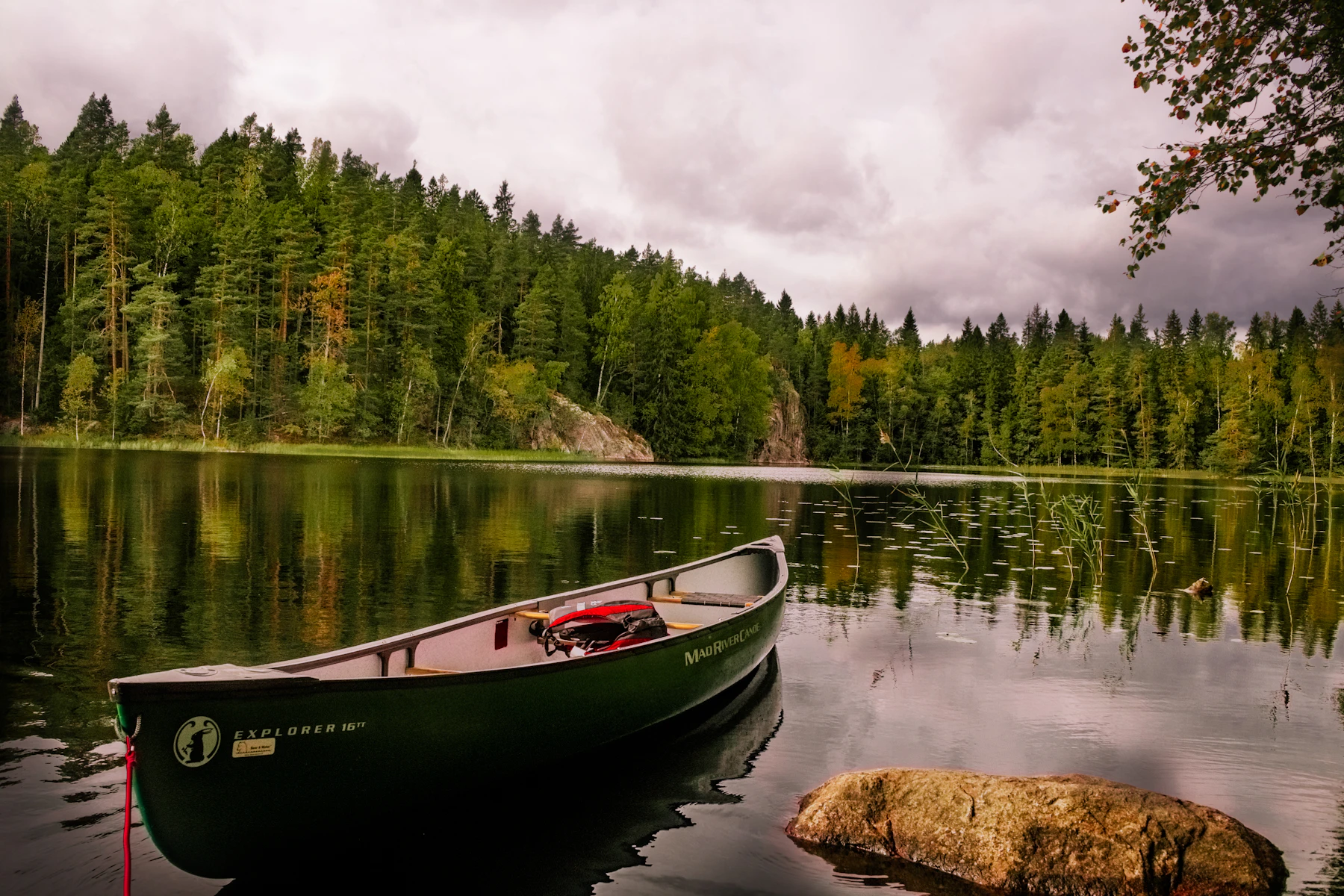
Region of Southern Denmark is southern Jylland plus the island of Fyn, running from the German border up the Wadden Sea coast. Most people driving into Denmark meet this region first. 232 free shelters and tent sites are mapped here, 100 of which need booking.
01 · Map
02 · Every place · 232
Group 01 · Region of Southern Denmark
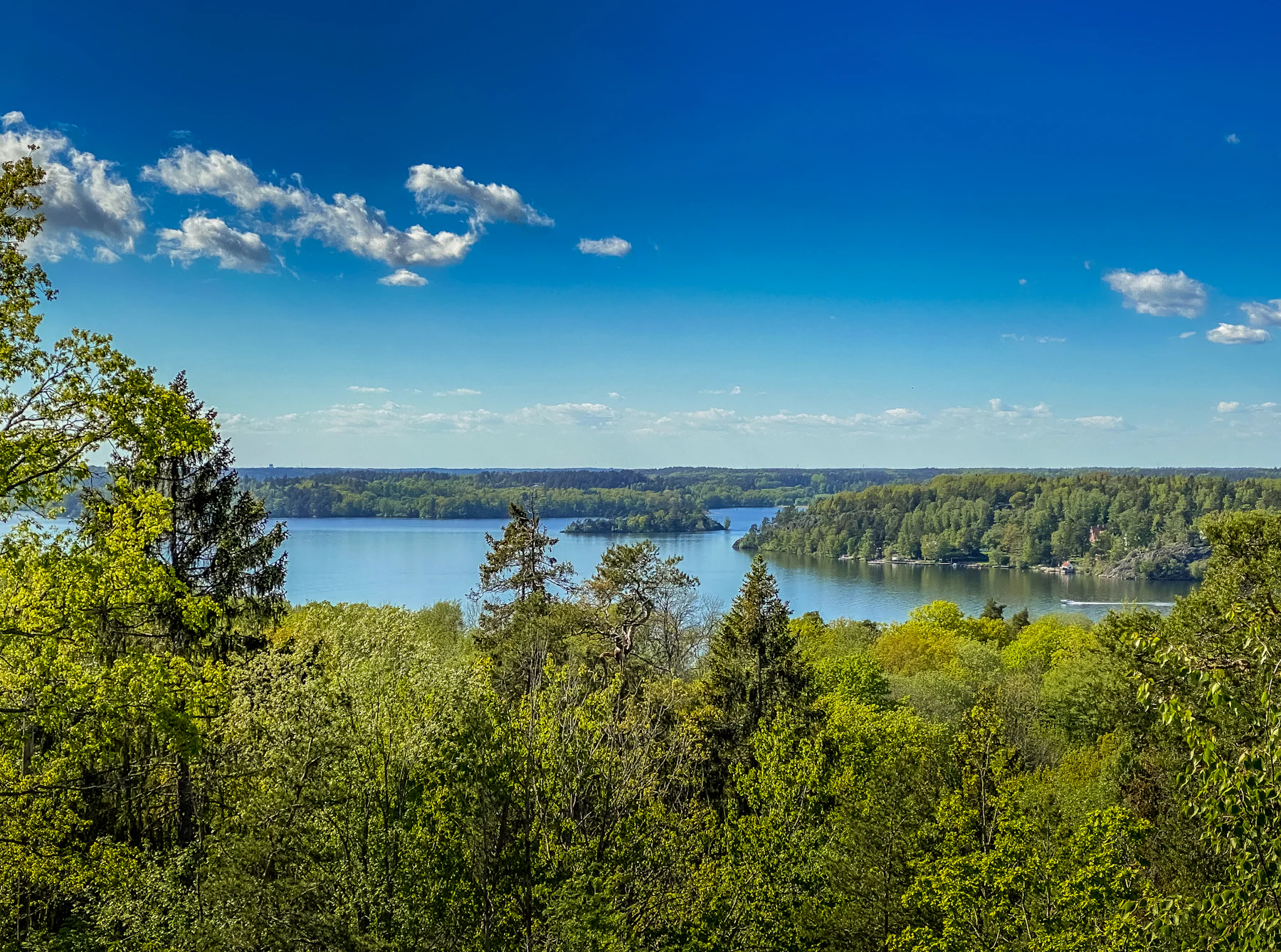 CampsiteFree
Region of Southern Denmark · Denmark
Checked Jul 20
CampsiteFreeRegion of Southern Denmark · Denmark
Checked Jul 20
CampsiteFreeRegion of Southern Denmark · Denmark
Checked Jul 20
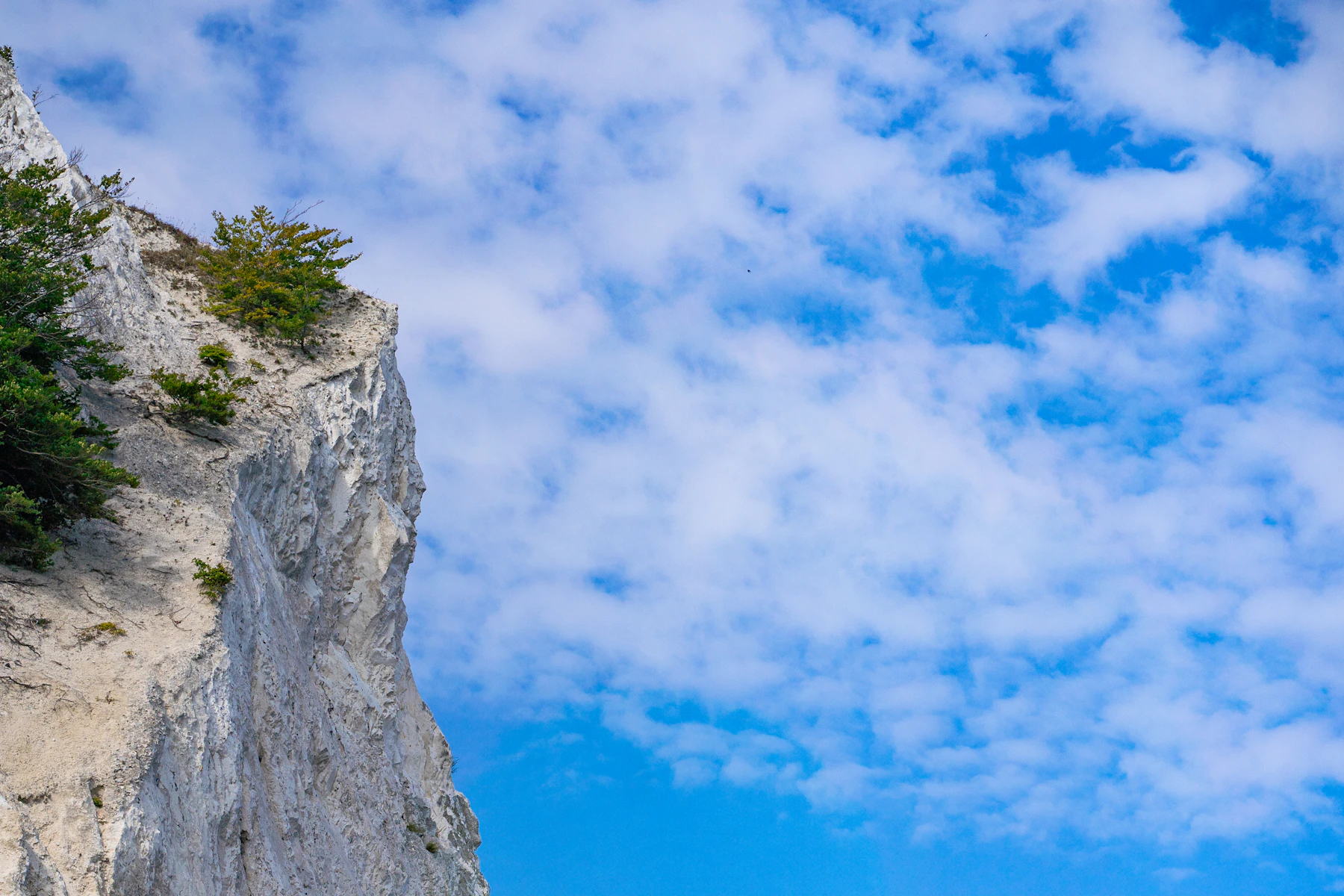 CampsiteFreeBook ahead
Region of Southern Denmark · Denmark
Checked Jul 20
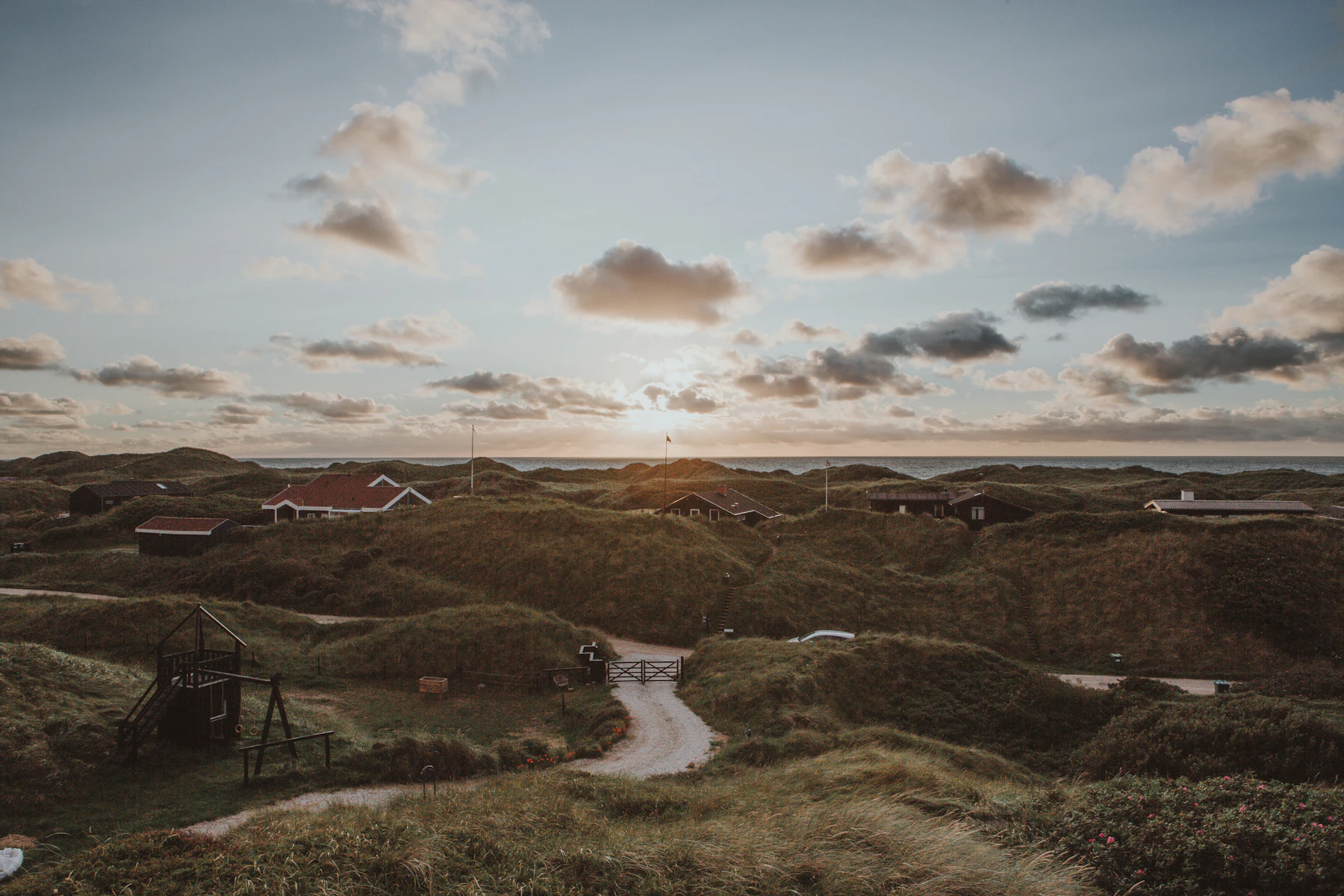 CampsiteFreeBook ahead
Region of Southern Denmark · Denmark
Checked Jul 20
CampsiteFreeRegion of Southern Denmark · Denmark
Checked Jul 20
CampsiteFreeBook aheadRegion of Southern Denmark · Denmark
Checked Jul 20
CampsiteFreeRegion of Southern Denmark · Denmark
Checked Jul 20
CampsiteFreeRegion of Southern Denmark · Denmark
Checked Jul 20
CampsiteFreeBook aheadRegion of Southern Denmark · Denmark
Checked Jul 20
CampsiteFreeRegion of Southern Denmark · Denmark
Checked Jul 20
CampsiteFreeRegion of Southern Denmark · Denmark
Checked Jul 20
CampsiteFreeRegion of Southern Denmark · Denmark
Checked Jul 20
CampsiteFreeRegion of Southern Denmark · Denmark
Checked Jul 20
CampsiteFreeRegion of Southern Denmark · Denmark
Checked Jul 20
CampsiteFreeRegion of Southern Denmark · Denmark
Checked Jul 20
CampsiteFreeBook aheadRegion of Southern Denmark · Denmark
Checked Jul 20
CampsiteFreeRegion of Southern Denmark · Denmark
Checked Jul 20
CampsiteFreeRegion of Southern Denmark · Denmark
Checked Jul 20
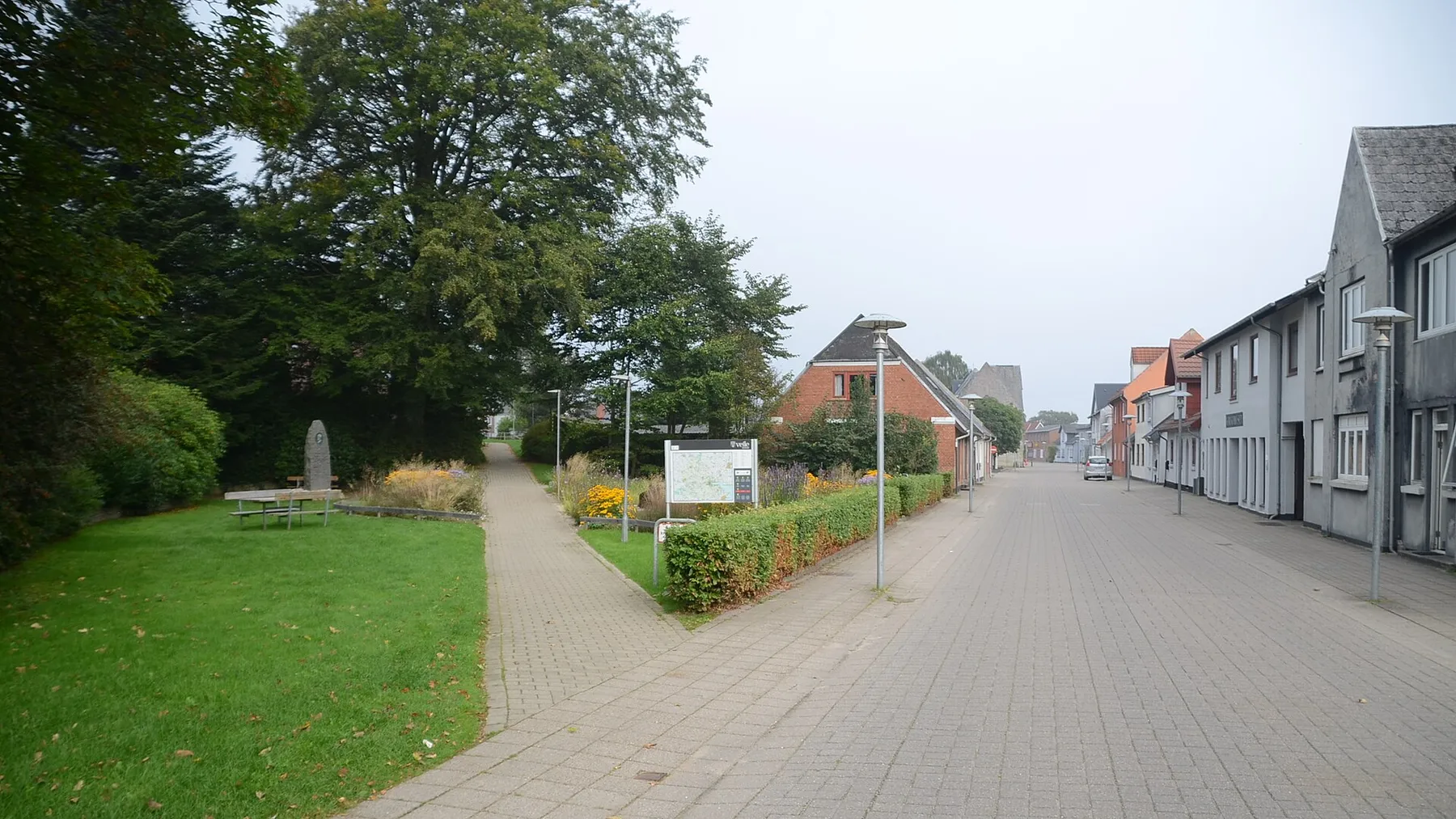 CampsiteFree
Region of Southern Denmark · Denmark
Checked Jul 20
CampsiteFreeBook aheadRegion of Southern Denmark · Denmark
Checked Jul 20
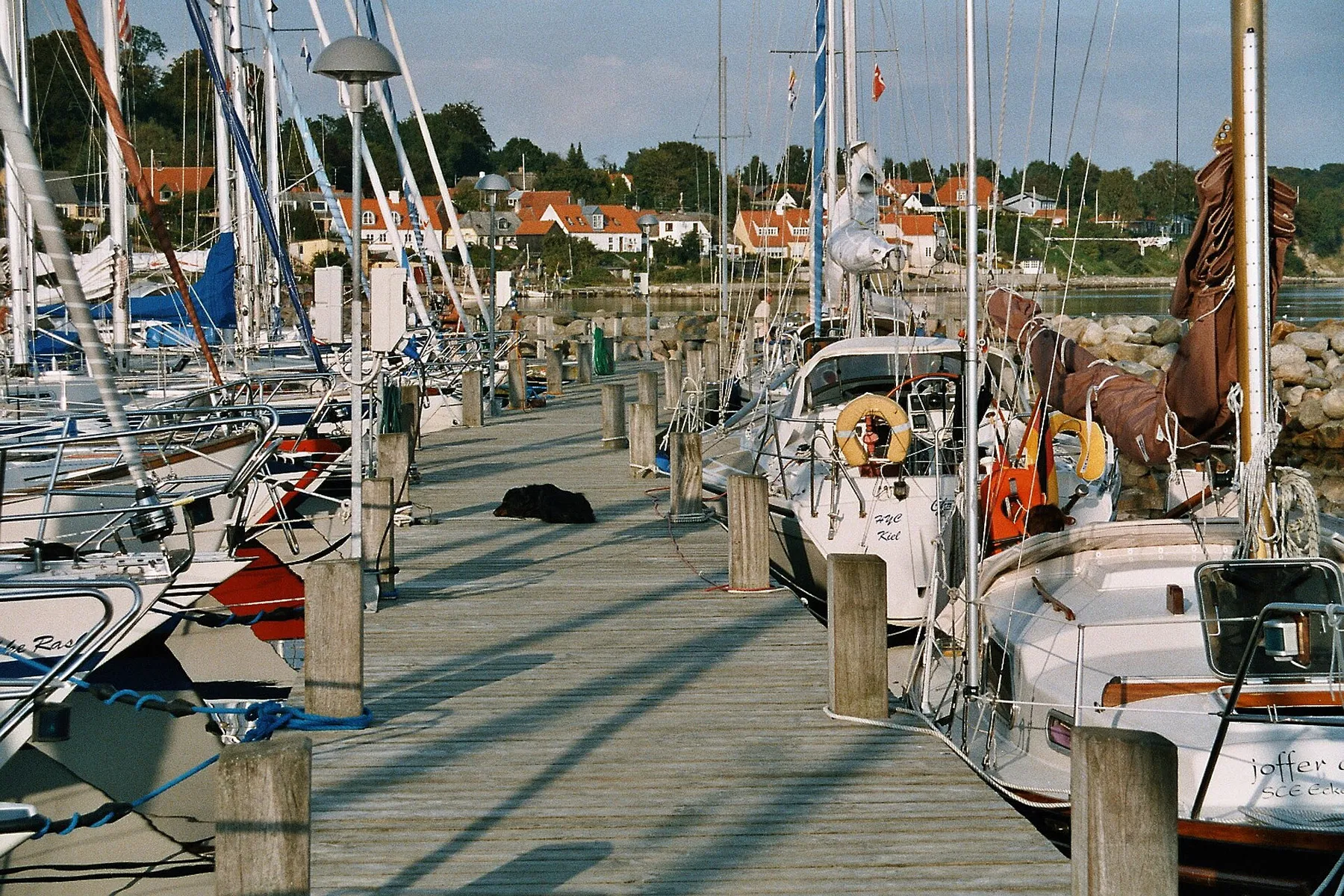 CampsiteFree
Region of Southern Denmark · Denmark
Checked Jul 20
CampsiteFreeRegion of Southern Denmark · Denmark
Checked Jul 20
CampsiteFreeRegion of Southern Denmark · Denmark
Checked Jul 20
CampsiteFreeRegion of Southern Denmark · Denmark
Checked Jul 20
CampsiteFreeRegion of Southern Denmark · Denmark
Checked Jul 20
CampsiteFreeRegion of Southern Denmark · Denmark
Checked Jul 20
CampsiteFreeBook aheadRegion of Southern Denmark · Denmark
Checked Jul 20
CampsiteFreeBook aheadRegion of Southern Denmark · Denmark
Checked Jul 20
CampsiteFreeRegion of Southern Denmark · Denmark
Checked Jul 20
Group 02 · Region of Southern Denmark
ShelterFreeRegion of Southern Denmark · Denmark
Checked Jul 20
ShelterFreeRegion of Southern Denmark · Denmark
Checked Jul 20
ShelterFreeRegion of Southern Denmark · Denmark
Checked Jul 20
ShelterFreeRegion of Southern Denmark · Denmark
Checked Jul 20
ShelterFreeRegion of Southern Denmark · Denmark
Checked Jul 20
ShelterFreeRegion of Southern Denmark · Denmark
Checked Jul 20
ShelterFreeBook aheadRegion of Southern Denmark · Denmark
Checked Jul 20
ShelterFreeBook aheadRegion of Southern Denmark · Denmark
Checked Jul 20
ShelterFreeBook aheadRegion of Southern Denmark · Denmark
Checked Jul 20
ShelterFreeBook aheadRegion of Southern Denmark · Denmark
Checked Jul 20
ShelterFreeRegion of Southern Denmark · Denmark
Checked Jul 20
ShelterFreeRegion of Southern Denmark · Denmark
Checked Jul 20
ShelterFreeBook aheadRegion of Southern Denmark · Denmark
Checked Jul 20
ShelterFreeBook aheadRegion of Southern Denmark · Denmark
Checked Jul 20
ShelterFreeBook aheadRegion of Southern Denmark · Denmark
Checked Jul 20
ShelterFreeBook aheadRegion of Southern Denmark · Denmark
Checked Jul 20
ShelterFreeRegion of Southern Denmark · Denmark
Checked Jul 20
ShelterFreeBook aheadRegion of Southern Denmark · Denmark
Checked Jul 20
ShelterFreeBook aheadRegion of Southern Denmark · Denmark
Checked Jul 20
ShelterFreeRegion of Southern Denmark · Denmark
Checked Jul 20
ShelterFreeBook aheadRegion of Southern Denmark · Denmark
Checked Jul 20
ShelterFreeBook aheadRegion of Southern Denmark · Denmark
Checked Jul 20
ShelterFreeBook aheadRegion of Southern Denmark · Denmark
Checked Jul 20
ShelterFreeBook aheadRegion of Southern Denmark · Denmark
Checked Jul 20
ShelterFreeBook aheadRegion of Southern Denmark · Denmark
Checked Jul 20
ShelterFreeRegion of Southern Denmark · Denmark
Checked Jul 20
ShelterFreeBook aheadRegion of Southern Denmark · Denmark
Checked Jul 20
ShelterFreeRegion of Southern Denmark · Denmark
Checked Jul 20
ShelterFreeBook aheadRegion of Southern Denmark · Denmark
Checked Jul 20
ShelterFreeRegion of Southern Denmark · Denmark
Checked Jul 20
Group 03 · Region of Southern Denmark
DispersedFreeRegion of Southern Denmark · Denmark
Checked Jul 20
DispersedFreeRegion of Southern Denmark · Denmark
Checked Jul 20
Only 2 places here
Arriving late without a second option is a bad idea in Region of Southern Denmark. The neighboring regions below are the nearest alternatives, so pick one before you set off rather than at nine in the evening.
All of Denmark03 · Before you go
What you are arriving at
In Region of Southern Denmark a stopover here means a site a public authority has designated for camping. Not a commercial holiday park, and often little more than a clearing with a water tap.
Fees
Free parking and free services are two different things. Where a place charges for water or power, its own page says so. Carry coins for the ones with no price posted.
Season
139 of these 232 stopovers publish opening hours. The rest do not. Where no season is published, treat the water as something to confirm rather than something to plan around, and arrive with a full tank in the cold months.
04 · The detail
Region of Southern Denmark is the way in. Drive north out of Germany and this is the first Danish region you cross, which makes it the region where people form their first impression of what free camping in Denmark means. That impression is often wrong, and the two corrections below are worth making before you plan the first night.
232 free shelters and tent sites are mapped across the Region of Southern Denmark, every one designated by a named public body. 171 are shelterpladser, a shelter being a three-sided timber hut you sleep in, and 59 are teltpladser, tent sites. Treat the count as a floor rather than a total: a blank part of the map is unmapped rather than empty. Where this comes from
Naturstyrelsen runs most of them through its Trekantsområdet, Sønderjylland and Fyn units. Esbjerg and Vejen are the largest municipal operators.
Roughly half need booking. 100 of the 232 take reservations only and 124 are first come, first served, which means the answer here is per site rather than per region. Naturstyrelsen’s bookable sites go through book.naturstyrelsen.dk.
Where amenities are recorded, water is the one the source states, sometimes as a yes and sometimes as an explicit no. Recorded is not the same as running, so carry enough for the night.
The Wadden Sea and west coast strip runs from Ballum Naturplads in the south up through Vilslev, past Esbjerg, and on to the Blåvand corner where Ho Klitplantage, Oksby Klitplantage and the site by Kjelst Plantage sit in the dune plantations. North of there, Nyminde and Trædestenen Nebel Bjerg carry it toward the Ringkøbing side. Flat, sandy, open, and windy in every month.
Slightly inland, around Varde, there is a small cluster on the water at Karlsgårde Sø, with both the overnatningsplads at the lake and the teltplads by Karlsgårdeværket.
The Vejle Fjord area on the east side is the other concentration: Munkebjerg Teltplads, Andkærvig, Brejning Strand and Ulbækhus, several of them documented by the municipality’s own outdoor pages rather than by a national listing. Down the coast toward Kolding and Lillebælt you get Ræbæk Strand Teltplads, Stenderup Nørreskov and Snoghøjgårdparken near Fredericia.
The border belt proper, inland of Haderslev and Vojens, holds Aabøl, Christiansdal in Pamhule Skov, Maugstrup and Styding. Further southeast on Als, Høruphav Teltplads and Snogbækskov sit near the water.
Late June to mid August is the season, and July is when it bites. That is when the west coast is busiest and when the through traffic from the border is heaviest.
Outside those weeks the question is not usually whether you can get in, it is whether anything works. Danish primitive sites routinely shut water off over winter, so arrive self-sufficient from September onward. Where a site has an operator page, that is where a seasonal closure gets stated, and that page beats this one.
Wind is the constant on this coast. The Wadden Sea side has no relief to speak of, so an exposed pitch is exposed in July as much as in November. If you are crossing the tidal flats or walking out from a coastal site, the posted local guidance about tides and marked routes is the authority, not a camping website.
Denmark is not Sweden and does not grant the same kind of general right, and assuming otherwise is the standard mistake made at this border. Read the Nordic right to roam page for the cited position before you count on sleeping anywhere that is not a designated site.
The sign at the site wins. So does whatever the operator says today.
05 · Frequently asked
For 100 of the 232 sites here, yes, and 124 are first come, first served. That is close to an even split, so the answer is per site rather than per region. Naturstyrelsen takes reservations at book.naturstyrelsen.dk. Every place page states which one it is and links the record it came from.
Not evenly, but it is covered. 50 of the 232 are on Fyn and the surrounding islands, including Langeland and Lyø, with the rest on the Jylland side from the Wadden Sea coast across to Vejle Fjord and down to Als. Naturstyrelsen Fyn runs a good share of the island sites.
That the type of place changes. A German Stellplatz is usually a parking area sized for a motorhome. A large share of what is mapped in southern Jylland is a teltplads or an overnatningsplads, a tent or overnight site aimed at people arriving on foot, by bike or by canoe. Read the individual page before you drive in, and see what an aire is for the type of place that does take a vehicle.
Danish summer is short and July is the crunch. Late June to mid August is peak, and the coastal sites go first. Water points and toilets at primitive sites are commonly shut off for winter, so a tap that ran in July may be closed in January and you should arrive self-sufficient. On the Wadden Sea side add wind: the coast is flat, open and exposed year round, and the tidal flats have their own posted access rules that you read on site before you walk out.
06 · Nearby