What you are arriving at
What the sign says
In Hauts-de-France a stopover here means an aire de services, a stopover designated by the commune. Usually a small marked car park with a service point for water and waste, signed from the road.


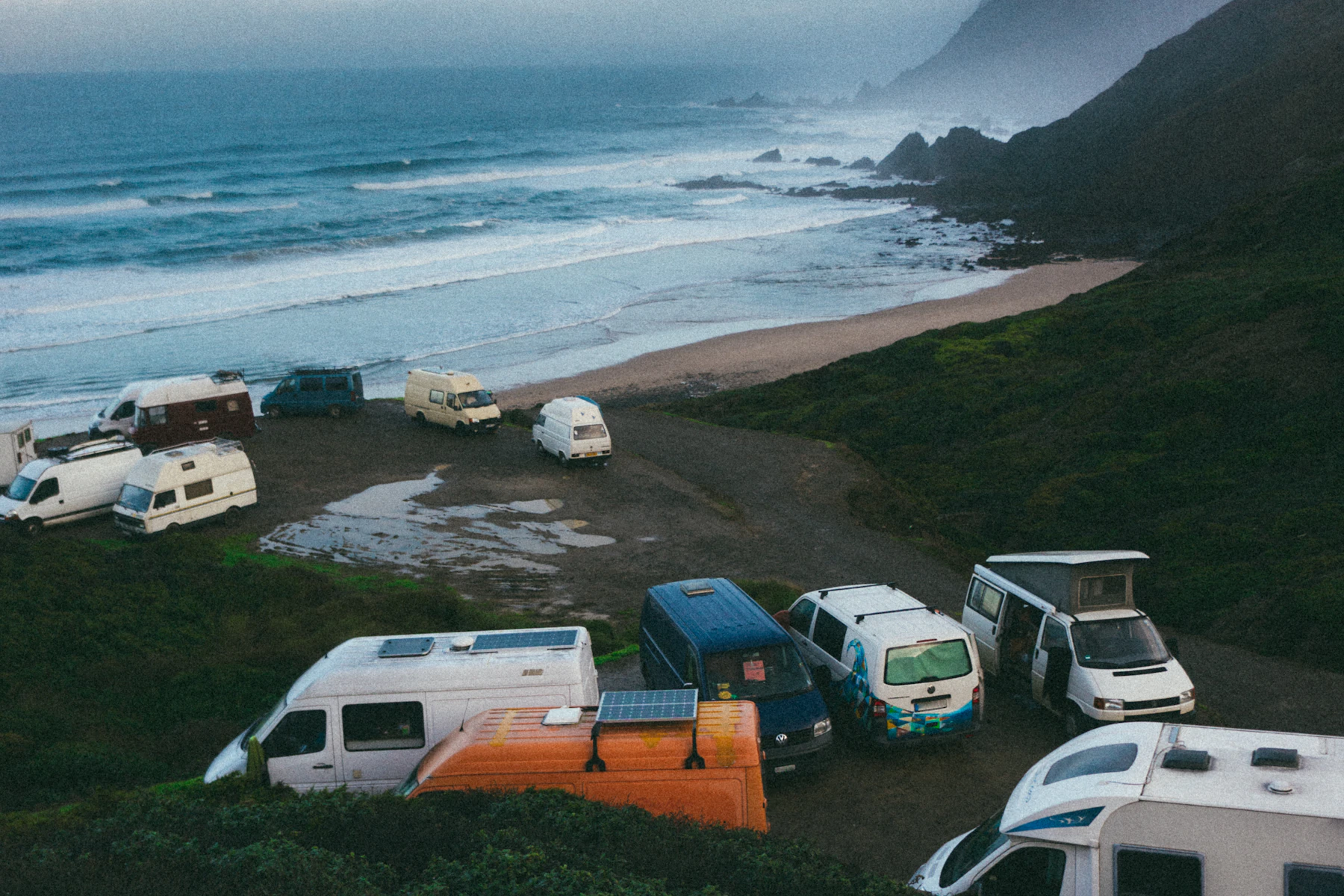
Hauts-de-France is the region people cross rather than visit, and it is thin on free stopovers with 47 named places. The inland ones are genuinely useful as a first night off the ferry or a last night before it.
01 · Map
02 · Every place · 22
Group 01 · Hauts-de-France
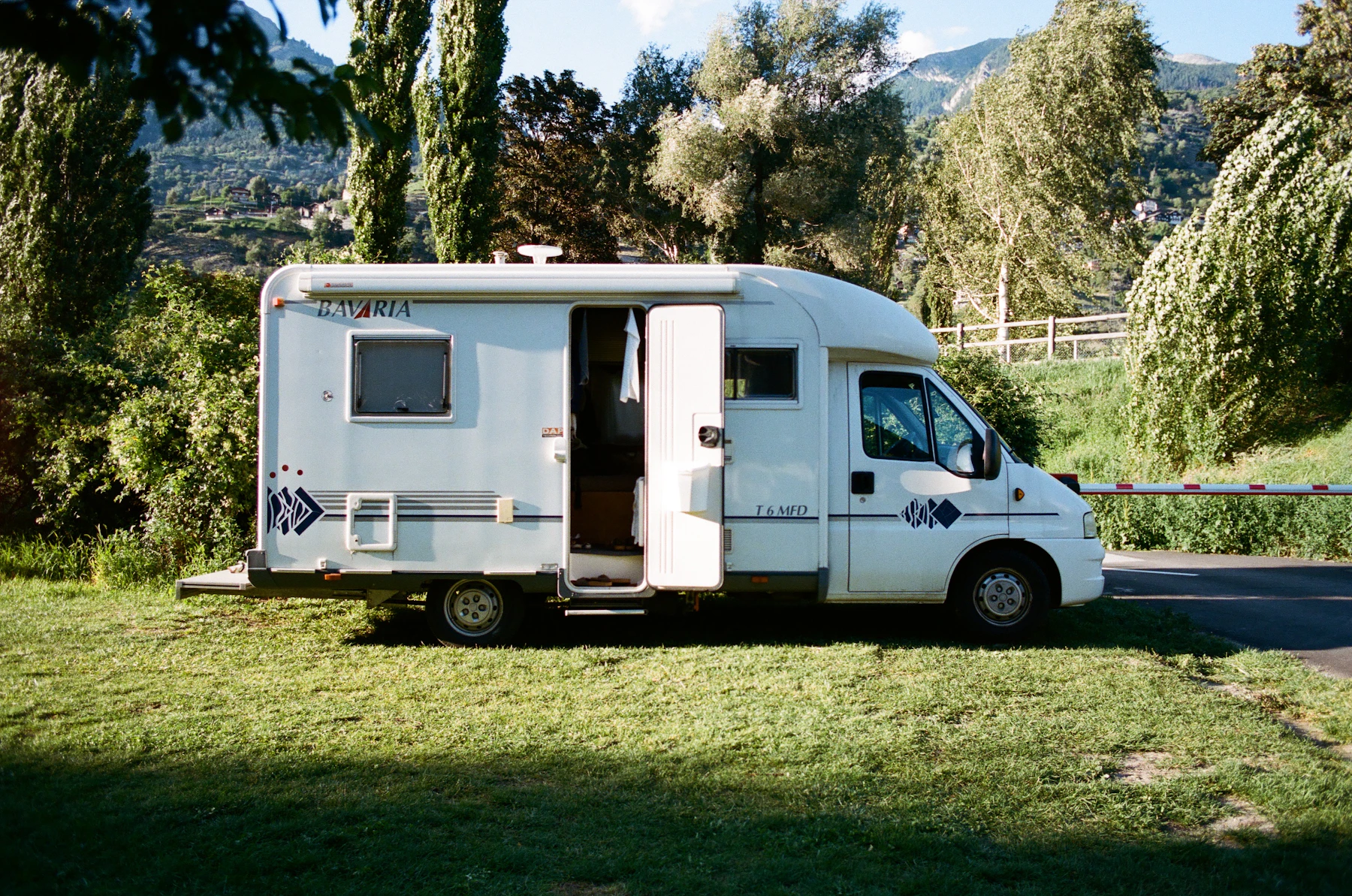 AirePaid
Hauts-de-France · France
Checked May 26
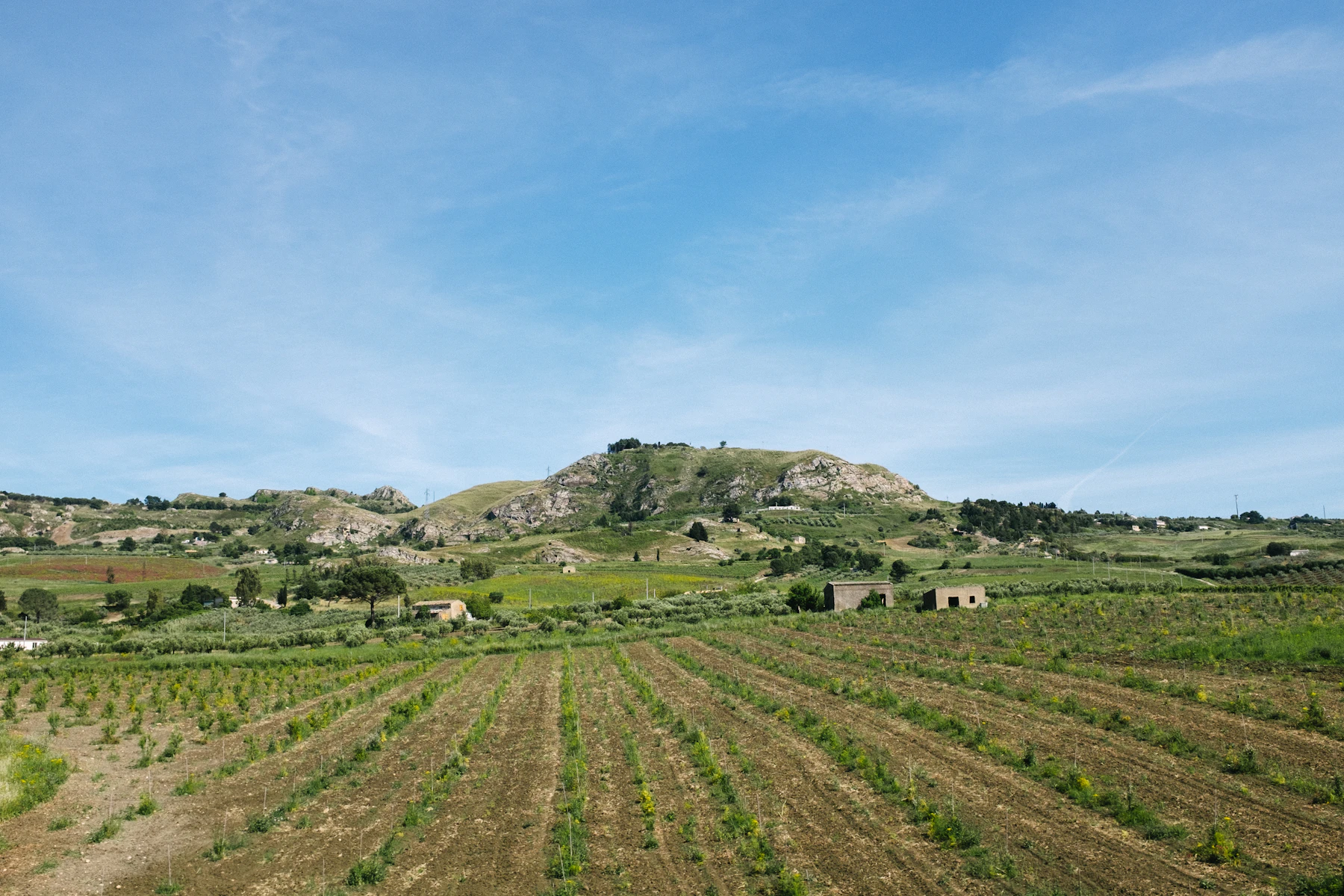 AireFee not stated
Hauts-de-France · France
Checked Oct 9
AireFreeHauts-de-France · France
Checked Jan 18
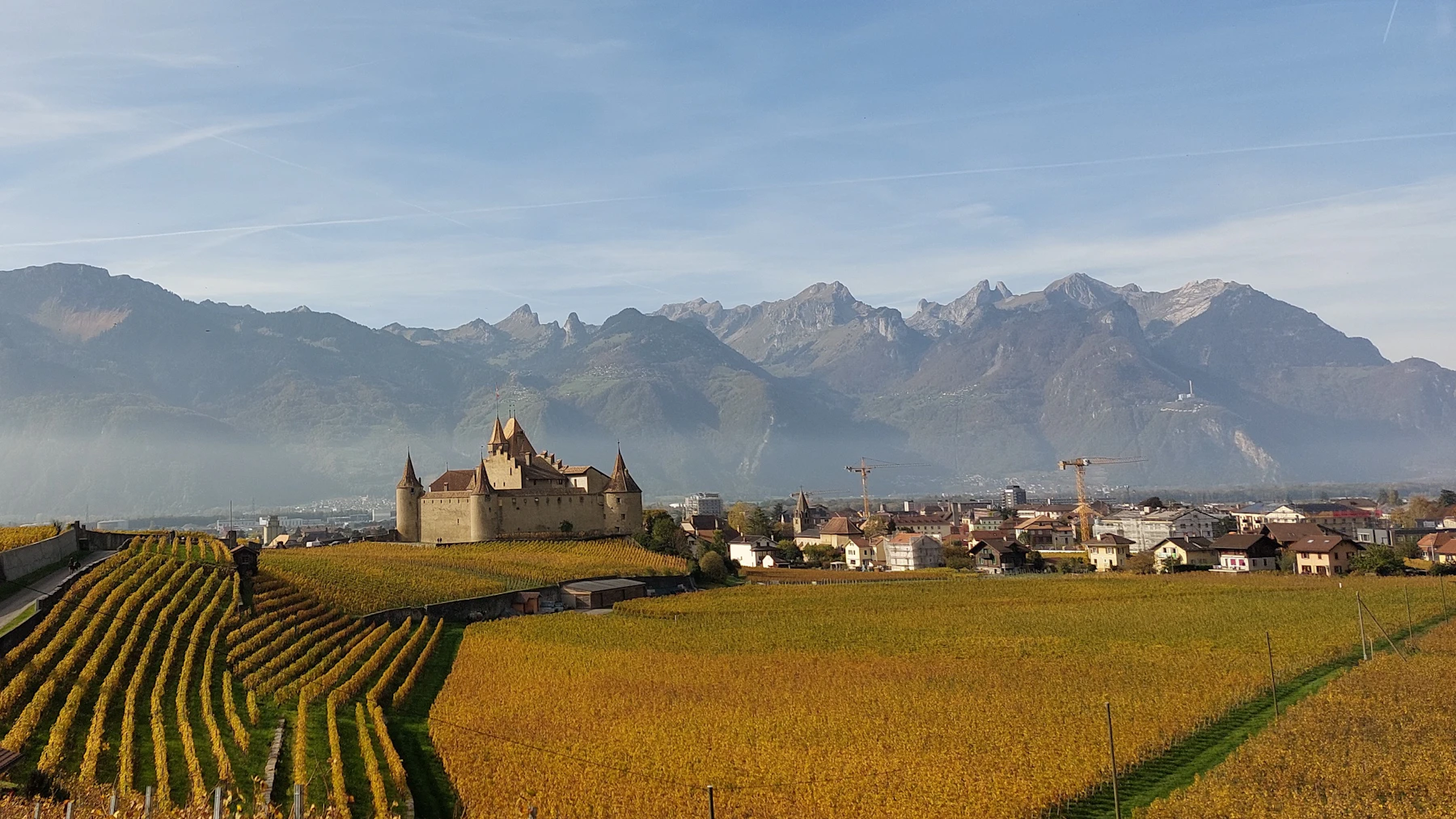 AireFree
Hauts-de-France · France
Checked Aug 12
AireFee not statedHauts-de-France · France
Checked Sep 24
AireFee not statedHauts-de-France · France
Checked May 22
 AireFee not stated
Hauts-de-France · France
Checked Oct 4
 AireFee not stated
Hauts-de-France · France
Checked Apr 23
 AireFree
Hauts-de-France · France
Checked Jun 30
AireFreeHauts-de-France · France
Checked Jun 30
 AireFee not stated
Hauts-de-France · France
Checked Oct 4
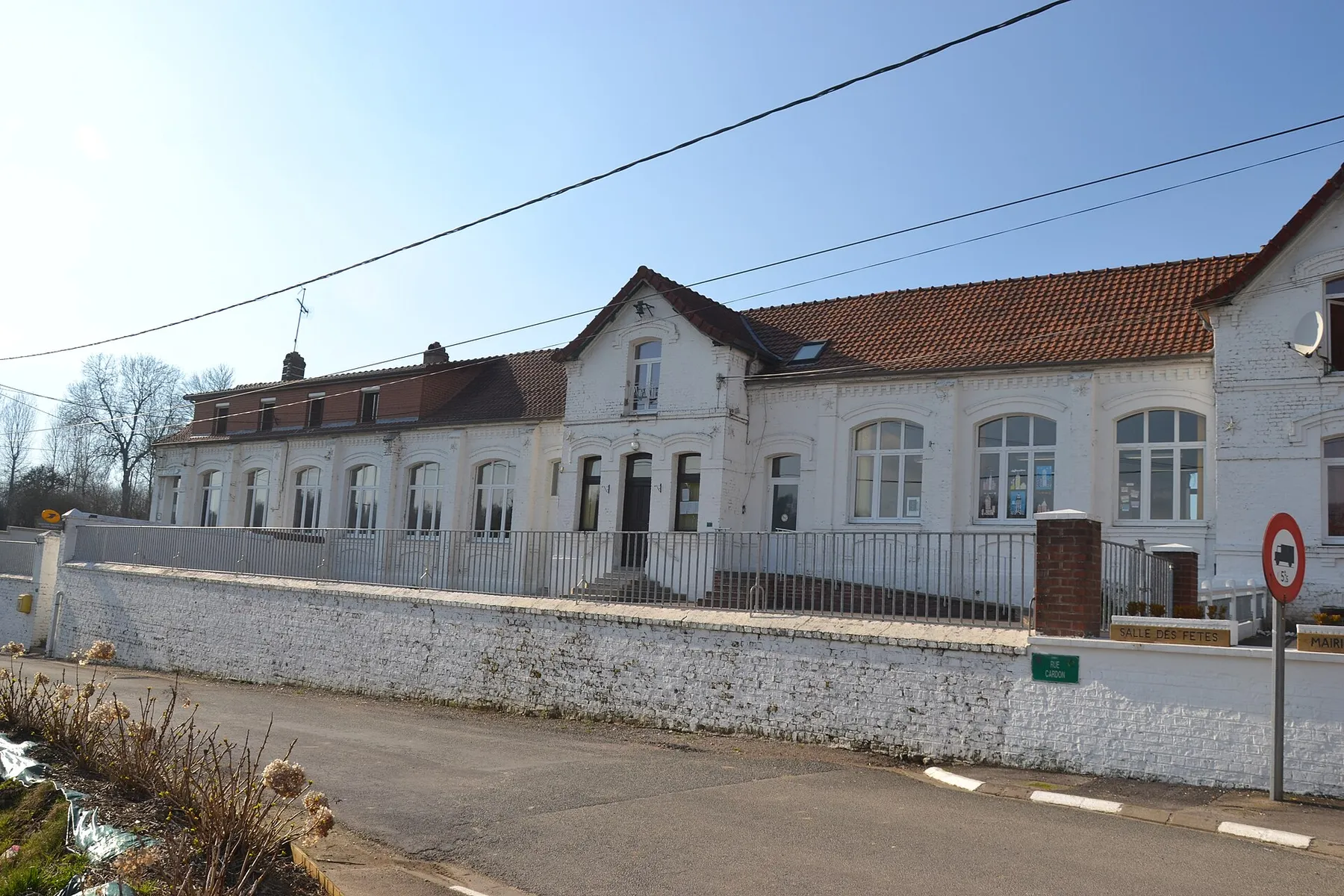 AireFee not stated
Hauts-de-France · France
Checked Apr 23
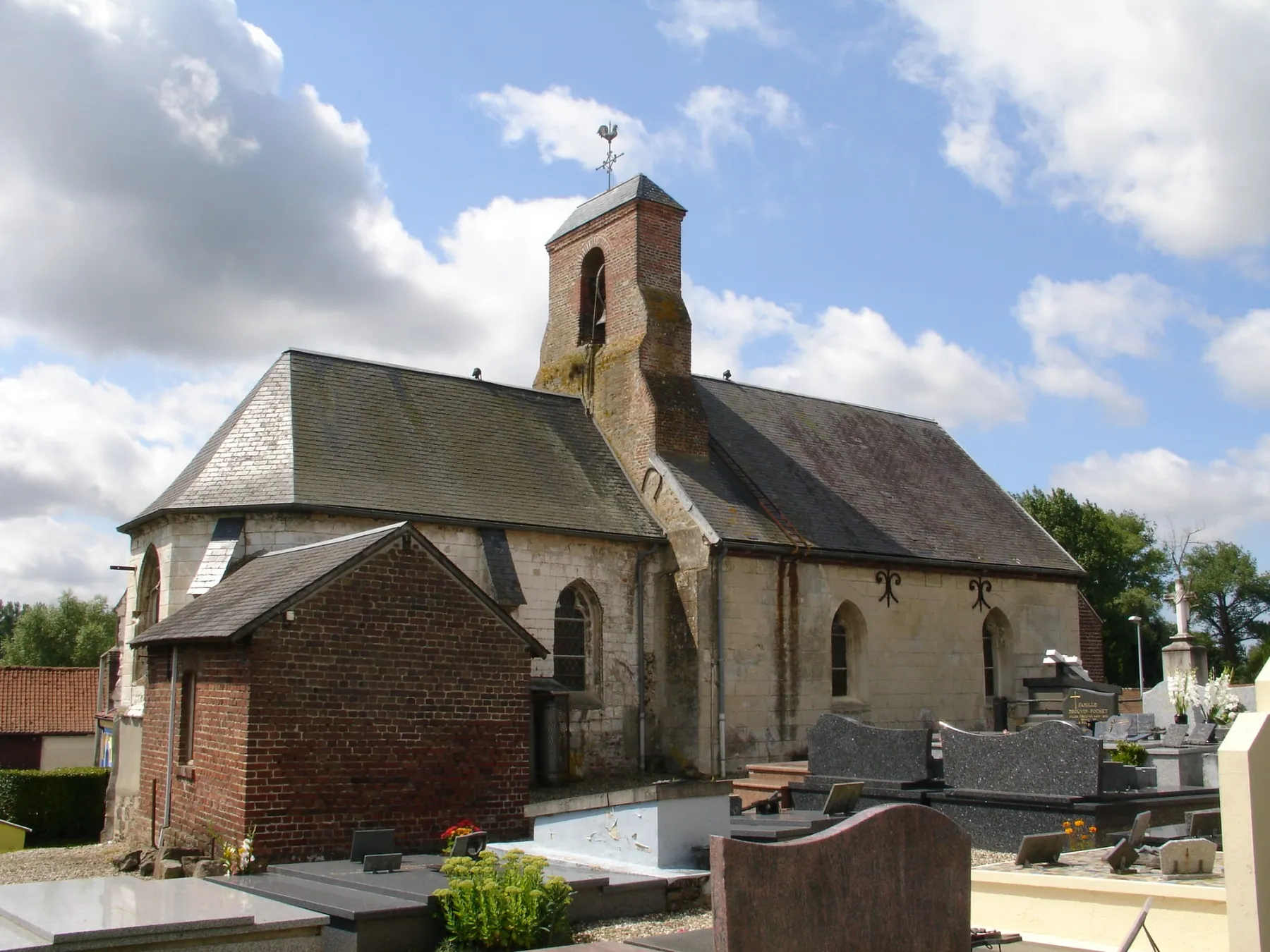 AireFee not stated
Hauts-de-France · France
Checked Aug 14
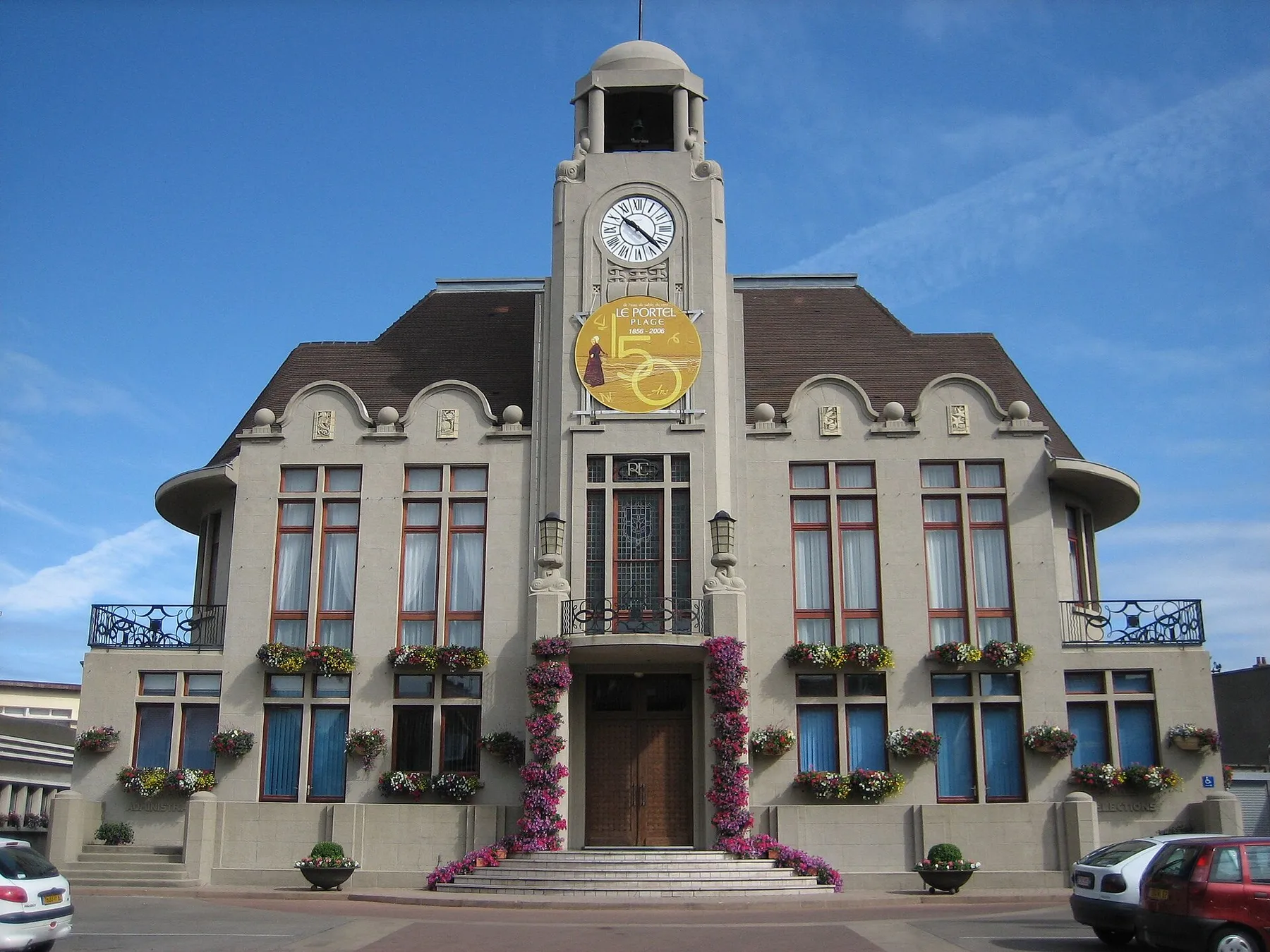 AireFree
Hauts-de-France · France
Checked Mar 22
AireFee not statedHauts-de-France · France
Checked Mar 22
AireFreeHauts-de-France · France
Checked Mar 22
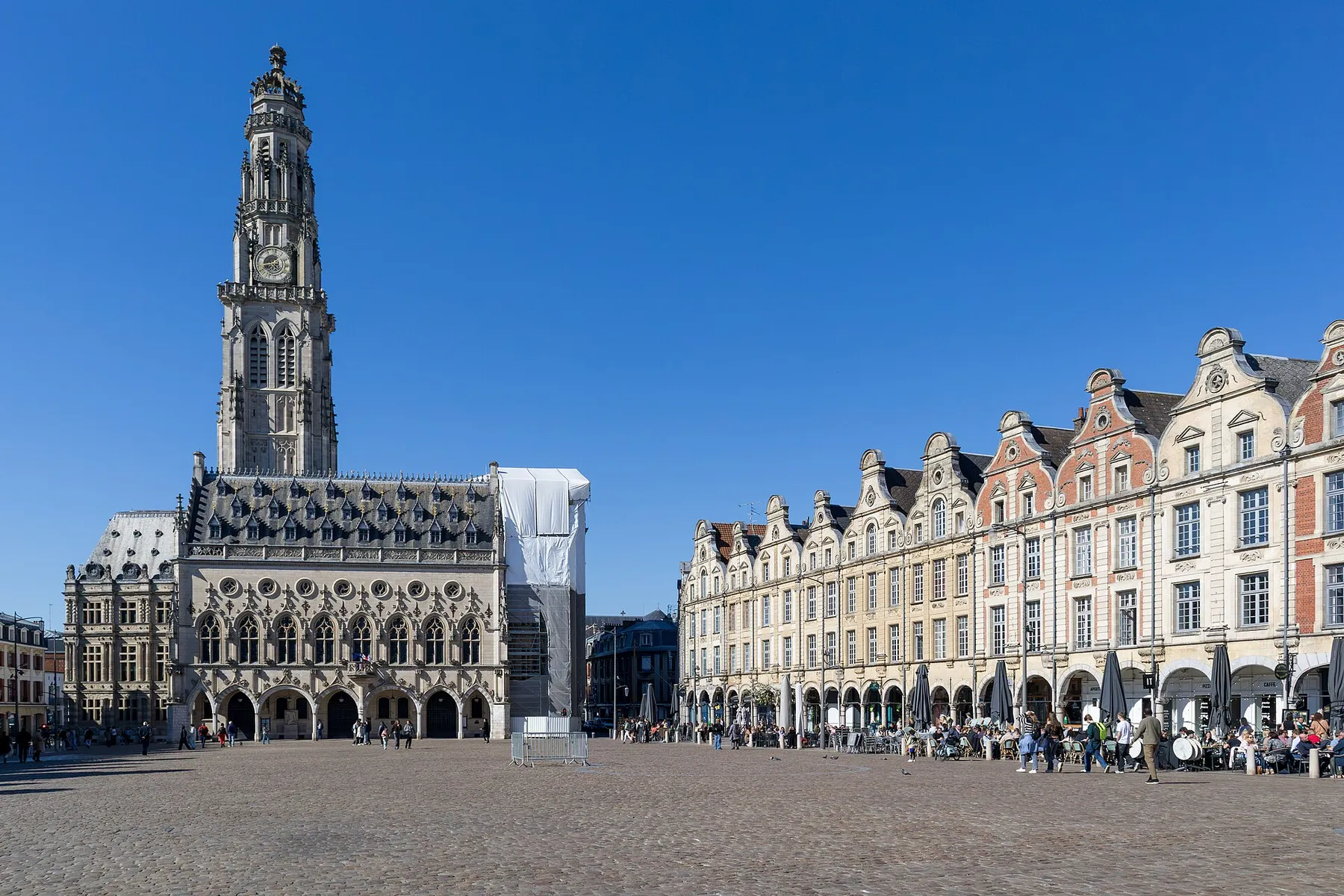 AireFee not stated
Hauts-de-France · France
Checked Apr 4
 AireFee not stated
Hauts-de-France · France
Checked Mar 14
 AirePaid · 0.60 €/day
Hauts-de-France · France
Checked Jan 27
 AireFee not stated
Hauts-de-France · France
Checked Mar 22
 AireFree
Hauts-de-France · France
Checked Jun 5
 AireFee not stated
Hauts-de-France · France
Checked Nov 26
03 · Before you go
What you are arriving at
In Hauts-de-France a stopover here means an aire de services, a stopover designated by the commune. Usually a small marked car park with a service point for water and waste, signed from the road.
Fees
Free parking and free services are two different things. Where a place charges for water or power, its own page says so. Carry coins for the ones with no price posted.
Season
1 of these 22 stopovers publish opening hours. The rest do not. Where no season is published, treat the water as something to confirm rather than something to plan around, and arrive with a full tank in the cold months.
04 · The detail
This is the region most readers of this site meet first and think about least. Off the ferry at Calais or the shuttle at Coquelles, or off the boat at Dunkerque, and you are in Hauts-de-France before you have finished adjusting to driving on the right. Most people point the van south and are out of it by evening.
That is a defensible plan. It is also why the first night is so often a motorway aire de repos with a lorry idling beside you. There are better options within an hour of the ports, and the region deserves the honest version rather than the skipped-over one.
The honest version starts with the number. 47 free places mapped for the whole of Hauts-de-France. That is thin. Brittany, which is smaller, has 117. Of the 47, 15 have an official page you can check before you drive, and none of those is on the coast.
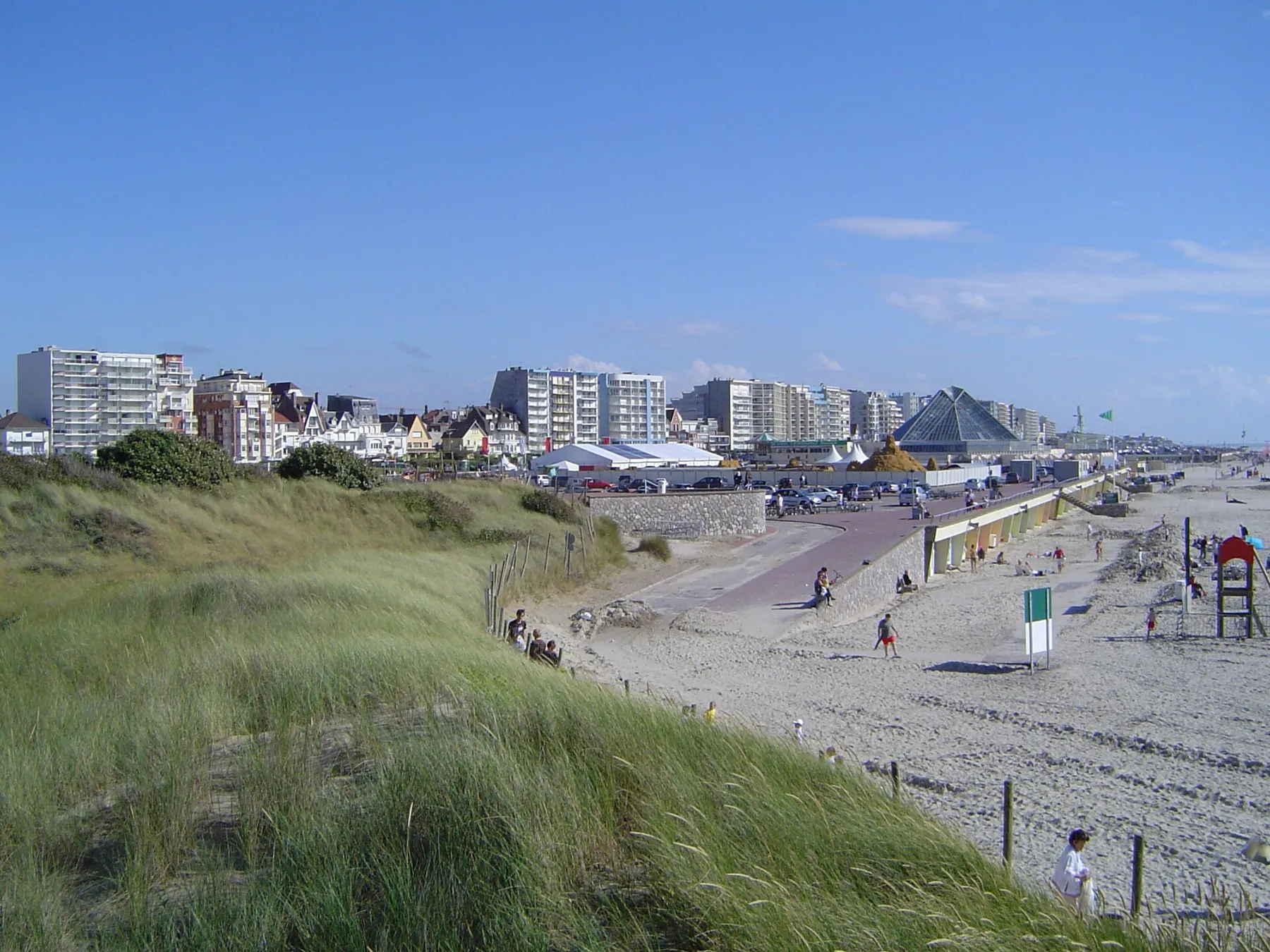
The Opal Coast, from Dunkerque down past Calais, Boulogne and Le Touquet, is where everyone arrives and where free stopping is hardest. Very little is mapped on the seafront, and Cucq, the one commune that publishes its position, tells you why in its own words. Cucq, which covers Stella-Plage, states that its free 20 place parking area on the Cours des Champs Élysées no longer exists, removed because of flooding, and that from 1 March to 31 October motorhome parking and stopping are prohibited on the public roads and car parks of the town center, naming the avenue de Paris, the avenue de Lyon, the avenue du Golf and the seafront. Outside those zones it permits parking, while prohibiting unpacking gear or laundry, discharging liquid, leaving litter on the public highway, and barbecues. It also keeps a 24 hour multiservice station at 242 Cours des Champs Élysées.
Those rules are Cucq’s own. Read them as a template for what a coastal commune here may do rather than as a rule that applies next door. Le Touquet and Berck publish no arrêté you can read in advance, so go by what is signed when you get there.
Montreuil-sur-Mer is the coastal-side exception worth knowing. Its tourist office lists an aire for up to 8 vehicles on stabilized ground on the avenue des Garennes, with water, electricity and emptying. Payment is by coin meter in cash, and the page stops short of calling the parking free, so arrive expecting to pay and bring coins.
The old mining belt, the Bassin minier around Lens, Béthune and Douai, has a scattering of small municipal aires: Grenay, Richebourg, the Ch’ti Parc at Les Glissoires, the Place du Barlet at Douai. Most are three to fourteen pitches. They are ordinary town car parks with a borne, which is exactly what you want at 8pm on the day you crossed.
The Avesnois, in the far east against the Belgian border, is the best of the region for this and the least likely to be on anyone’s route. Solre-le-Château runs 20 pitches, free, open all year, every day, with water, electricity, grey and black water disposal and a picnic area, on jetons sold at the mairie or the local CocciMarket. Anor offers 4 free places with a service point, tokens from the tourist office, the supermarket or a bar-tabac.
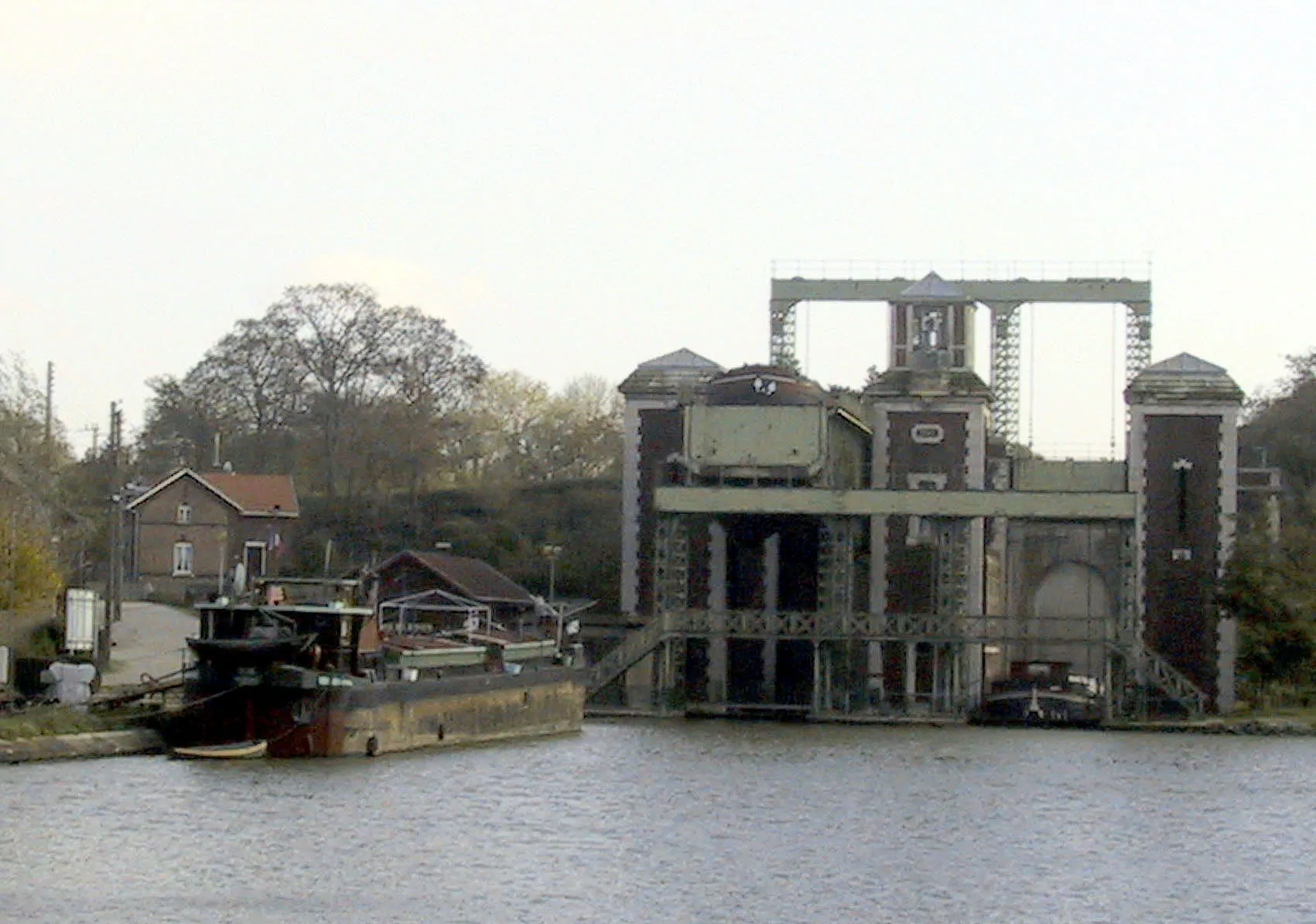
The Cambrésis and the Saint-Quentin canal. Marcoing has 6 free spaces on the site of the old railway station at the Place de la Gare, by the canal bridge, available year round. Estrun and Riqueval sit on the same waterway. Riqueval, by the 5,670 metre canal tunnel and the towage museum, has 4 pitches with water at 3 euros for 10 minutes and electricity at 2 euros for 4 hours or 4 euros for 8.
The Somme. The battlefield country around Albert, Péronne and Bapaume is the reason a good share of English-speaking visitors come to this region at all. Free stopovers are thin on the ground here, so plan the battlefield days around a paid night or around one of the Cambrésis aires and drive in.
The parking is mostly year round. The water is not.
Winter drains the bornes. Marcoing states that its dump, water and electricity are available only outside the winter period, and that the electricity runs evening and night depending on the public lighting circuit, which is an unusually frank thing for a commune to publish and exactly the kind of detail that decides whether your night works. Riqueval lists its season as running to 31 October, with staffed hours Monday to Friday 10:00 to 13:00 and 14:00 to 18:00, and weekends and public holidays 14:00 to 18:00. Solre-le-Château is the exception: open all year, every day.
The coastal restriction runs March to October. Cucq’s ban on town center motorhome parking runs 1 March to 31 October, which is precisely the window in which you would want to stop there. Winter on the Opal Coast is easier to park in and worse to sit in.
The crossing shapes your season more than the weather does. Ferry and shuttle fares peak in the school holidays, and so do the aires within an hour of the ports. If you are crossing in late July, assume the small aires near the coast are taken and plan a second option 30 minutes further inland.
Nothing here closes for altitude. Unlike the Alps, the constraint is the service point and the commune’s own dates, not snow. Read the season on the borne, not on the weather forecast.
47 free places are mapped across Hauts-de-France. Treat the count as a floor rather than a total: a blank part of the map is unmapped rather than empty. In a region this thin that matters more than it does in Brittany, so pick your night before you cross rather than after you land. Where this comes from
Three specific things to plan around:
05 · Frequently asked
Inland, not on the coast. There are 47 free places in the whole region, and the ones you can confirm in advance sit in the Avesnois, the old mining belt around Bethune and Lens, and along the Saint-Quentin canal in the Cambresis. Solre-le-Chateau runs 20 free pitches open all year with water and electricity on tokens. Marcoing has 6 free spaces year round on the site of the old station. Anor has 4, free, with a service point on tokens. None of these are a detour of more than an hour or so from the A26 or the A1, and all of them are quieter than a motorway aire de repos.
Less good than it looks, and Cucq is the case study. The commune's own page states that the free 20 place parking area on the Cours des Champs Elysees no longer exists, removed because of flooding, and that from 1 March to 31 October motorhome parking and stopping are prohibited on the public roads and car parks of the town center, naming the avenue de Paris, the avenue de Lyon, the avenue du Golf and the seafront. Outside those zones the commune permits parking, but prohibits unpacking gear or laundry, discharging liquid, leaving litter on the public highway, and barbecues. Those rules are Cucq's own. Check the town you are actually stopping in, because the next commune along sets its own and posts them at the entrance.
The parking usually is. The services usually are not. Solre-le-Chateau is free to park and sells a jeton, a token, that buys 20 minutes of water or 4 hours of electricity, from the mairie or the CocciMarket. Anor is the same shape: free parking, tokens from the tourist office, the supermarket or a bar-tabac. Riqueval charges 3 euros for 10 minutes of water and 2 euros for 4 hours of electricity. Montreuil-sur-Mer takes cash through a coin meter and its tourist office page does not say the parking is free. Budget a few coins and do not assume the overnight stop is a service stop.
Often not, and the commune pages say so. Marcoing states that its dump, water and electricity are available only outside the winter period, and that the electricity runs in the evening and at night depending on the public lighting circuit. Riqueval lists its season as running to 31 October, with staffed hours Monday to Friday 10:00 to 13:00 and 14:00 to 18:00, and weekends and holidays 14:00 to 18:00. The parking generally stays open when the borne is drained. Fill up before you need to.
Because it is a region people drive through rather than tour, and designated free stopovers follow the tourists. Brittany, which is smaller, has 117. Plan Hauts-de-France as one or two useful nights on the way through rather than as a week of free stops, and pick the night before you cross rather than after you land.
06 · Nearby