
Austria has nothing like the Nordic right to roam, and the answer to whether you can sleep outside a campsite is set by the Bundesland, the federal state you happen to be standing in. Tirol, Kärnten (Carinthia), Niederösterreich (Lower Austria), Burgenland and Vienna prohibit it. Salzburg, Vorarlberg and Oberösterreich (Upper Austria) leave it to the Gemeinde, the municipality. Styria has no express rule either way. Nine states, three different answers, and the border runs straight through the Alps.
The forest is off limits everywhere
This one sits above all the state laws. The agriculture ministry puts it plainly: using the forest to camp overnight in darkness, to pitch a tent or to camp without the forest owner’s consent is punishable by a fine, up to 150 euros. The statute is the Forstgesetz 1975, checked August 11, 2026. That removes the quiet forest pull-in at the end of the logging track, in every state, before any other rule applies.
Five states say no
Tirol bans Kampieren outside campsites as a matter of principle. Kampieren means spending the night in mobile accommodation, and the Tiroler Campinggesetz 2001 spells out tents, caravans, motor vehicles, motorhomes and mobile homes. In national parks, nature reserves and forest it can be prohibited outright.
Kärnten uses its nature protection act to prohibit camping and parking caravans in the open countryside outside authorized sites. Motor vehicles there belong on traffic areas, though parking at the roadside is allowed. Niederösterreich prohibits setting down caravans, motorhomes or mobile homes in Grünland, land zoned as green, outside approved campsites, and tents count as mobile homes. Burgenland bans camping in the open landscape outside authorized sites, with short parking of a caravan on a parking area excluded. Vienna goes further than most people expect: the Kampierverordnung prohibits laying out a sleeping bag, pitching a tent, and parking cars, motorhomes or caravans for residential purposes in public open spaces. Checked August 11, 2026.
Three states hand it to the municipality
Not generally banned does not mean allowed. It means the answer sits one administrative level down.
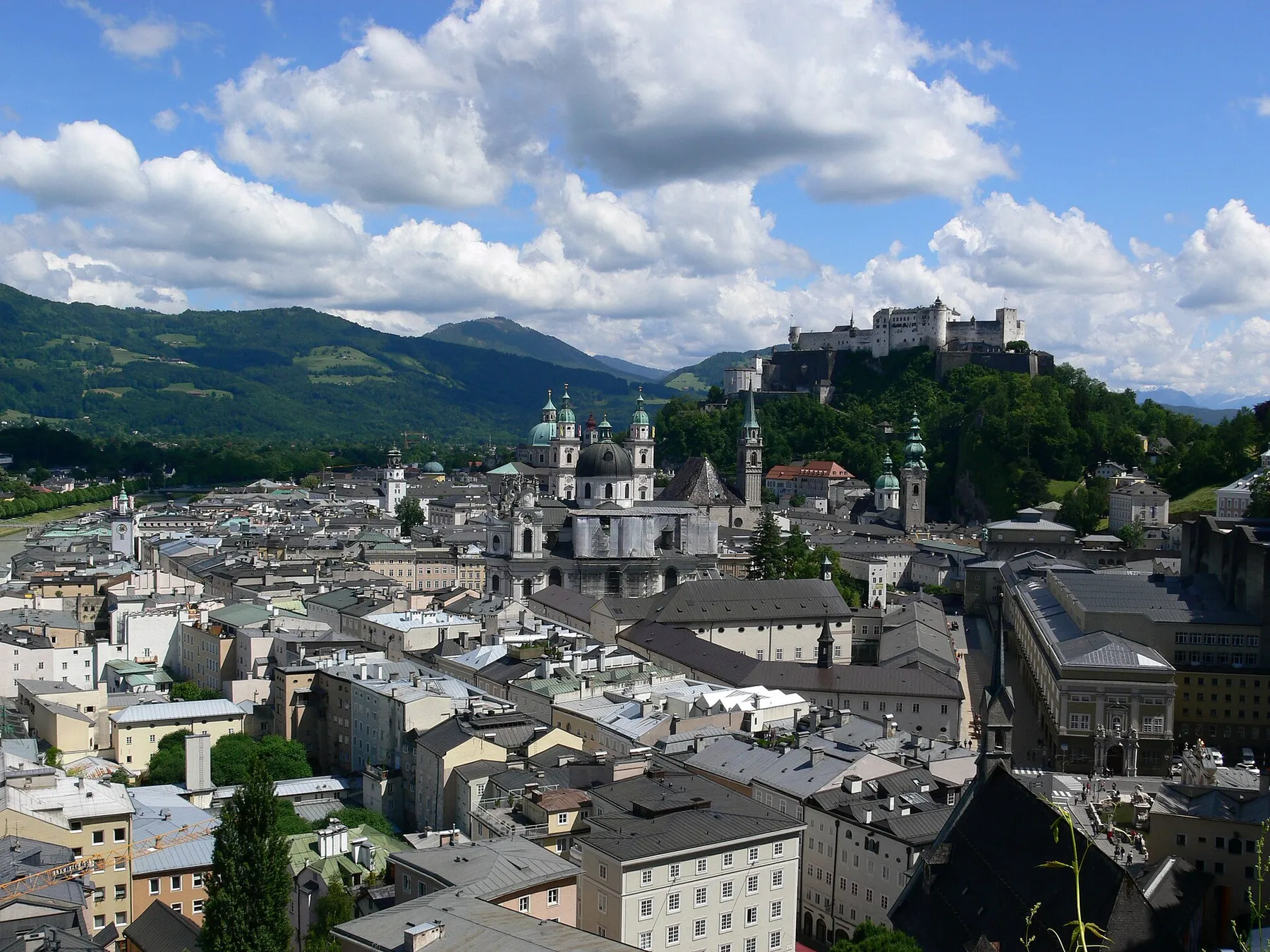
In Salzburg, the mayor can prohibit camping outside campsites by formal order, and the municipal council can set by ordinance where it is allowed or forbidden. The state capital has done exactly that: camping is prohibited in public open spaces across the city, and staying or sleeping in tents, caravans and motorhomes is permitted only on campsites. Vorarlberg works the same way through its camping site act. In Oberösterreich camping outside sites is not generally prohibited, but pitching in Grünland has to be notified to the nature protection authority, and the municipality can restrict it to certain places or ban it entirely. Checked August 11, 2026.
Styria is the odd one out
Styria has no provision that expressly permits or prohibits camping outside campsites. The barren land above the tree line is open to visitors under the state’s 1921 law on freedom of movement in the mountains, excluding land in agricultural use such as alpine pastures, and access can be restricted for safety or under nature protection law. Checked August 11, 2026. Read that as a right of access, not a right to pitch: the forest ban still stands, the Alm belongs to somebody, and where a nature reserve begins its own ordinance takes over.
Above the tree line
This is the only real latitude in the Austrian Alps, and it is narrow. Tirol exempts Biwakieren in high alpine terrain above the Waldgrenze from the ban. It means a single improvised night in alpine terrain in the course of a mountain tour, planned or forced on you by weather, injury or darkness. Kärnten draws it tighter still: a bivouac that is planned rather than an emergency is prohibited. Checked August 11, 2026. Both rules were written for a climber with a bivvy bag, not for a tent carried up from the car.
What it means in a motorhome
The parking-is-not-camping test that carries you through Italy and Spain does not carry as far here. Tirol counts motor vehicles and motorhomes in its definition of Kampieren, Oberösterreich defines camping as staying longer than briefly in or beside a parked vehicle, and Vienna prohibits using the vehicle to live in. Sleeping in the van is, in several states, precisely the act the law is aimed at.
So plan the night around a campsite or a designated stopover, and if you need certainty for one specific spot, call the Gemeinde you intend to park in. It writes the ordinance, and the sign at the entrance beats any website, this one included. What the neighboring countries do is on our rules pages, the wider picture is on the wild camping rules hub, and everything officially designated is on the map.
Sources
- Darf man im Wald lagern, zelten oder wohnen? Forstgesetz 1975, Austrian Federal Ministry of Agriculture and Forestry
- Campen in Tirol, oesterreich.gv.at
- Campingwesen, Tiroler Campinggesetz 2001, Land Tirol
- Campen in Kärnten, oesterreich.gv.at
- Campen in Niederösterreich, oesterreich.gv.at
- Campen im Burgenland, oesterreich.gv.at
- Campen in Wien, Kampierverordnung, oesterreich.gv.at
- Campen in Salzburg, oesterreich.gv.at
- Verordnung gegen das Wilde Campieren, City of Salzburg
- Campen in Vorarlberg, oesterreich.gv.at
- Campen in Oberösterreich, oesterreich.gv.at
- Campen in der Steiermark, oesterreich.gv.at
When a source is not in English, follow the link for the official wording.