
You have no right to wild camp in the Lake District. The National Park Authority writes that wild camping is technically not permitted without prior permission from the landowner, that it cannot authorize camping on private land, and that it does not permit camping on the land it owns itself. What exists instead is tolerance, and the Authority is unusually specific about what it is tolerated for.
That distinction is the whole article. Tolerated means landowners generally do not act against a camp that stays inside a set of conditions. It does not mean you have permission, and the Authority spells out the consequence: landowners or their representatives have the legal right to order you to break camp and move on. Verified against the Authority’s page on 2 August 2026.
The conditions the Authority publishes
Its wild camping page says the practice is normally tolerated if you keep to a list. The parts that decide where you sleep:
- Camp above the highest fell wall, well away from towns, villages and lake shores.
- Stay for only one night.
- Keep groups very small, only one or two tents.
- Light no fires, even if there is evidence that fires have been lit there before.
- Do toilet duties at least 30 metres from water and bury them with a trowel.
- Leave no litter. That includes not burying it, and picking up litter you find.
- Pitch on dry ground rather than digging drainage ditches around the tent.
And two flat exclusions from the same page: camping in car parks or on roadside verges is not allowed at any time, and lake shores are out.
The fell wall is the line
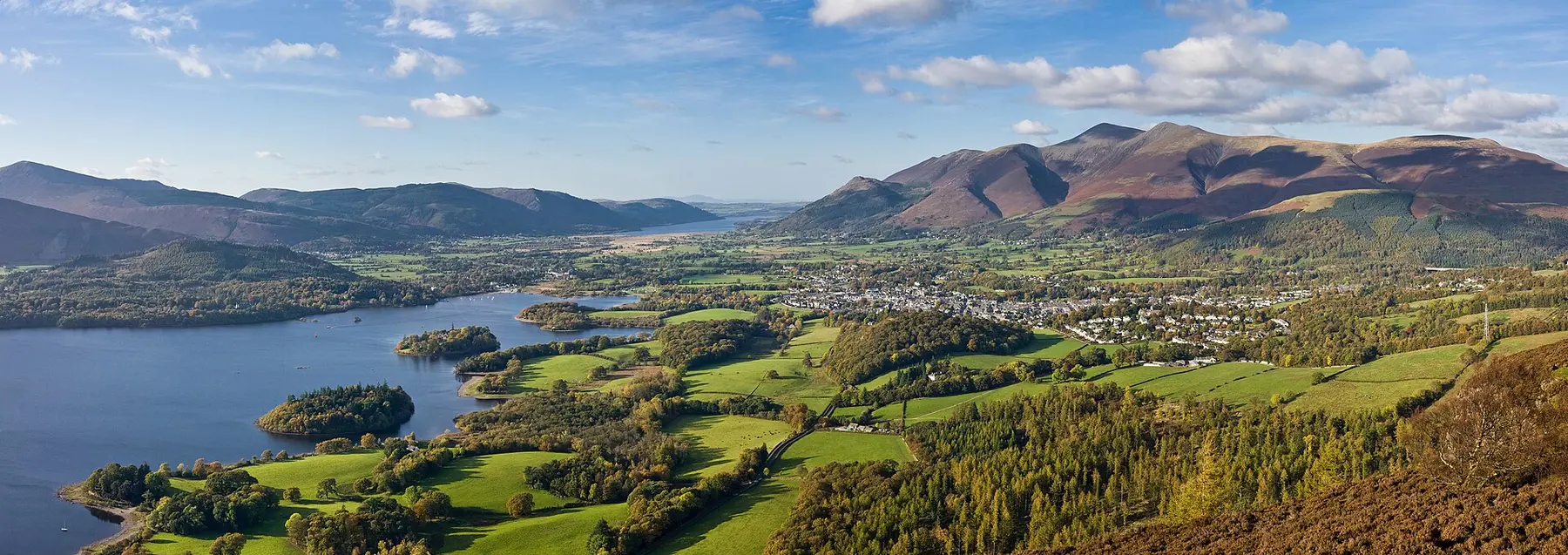
The highest fell wall is the drystone wall at the top of the enclosed fields, where farmland stops and open fell begins. It is a real thing you can see, which is why both landowners use it instead of a height.
The National Trust, which owns a great deal of Lakeland fell, puts a figure on it: a wild camp pitch must be above the highest fell wall, approximately 400 metres or 1,200 feet, and should not be noticed by anybody else. Below that line it is blunt. The only places you can camp in valleys, by lake shores or in lowland areas are official campsites, and camping below the fell wall is what the Trust calls fly camping. It asks people to arrive at dusk, move on at dawn, and go elsewhere if two tents are already on the spot. No fires, no barbecues, and every scrap of litter and human waste carried out. Its own line is worth keeping: if you need a bin or a toilet, this kind of camping is not for you. Verified on 2 August 2026.
If you are driving something you sleep in, none of this applies
The tolerance is for a tent carried up a fellside on foot. There is no version of it that reaches a vehicle, because there is no road above the fell wall.
The Authority’s page for campervans is short about it: the only legal places to park overnight are on formal camp sites. Daytime parking is treated differently, and the same page notes that parking on a highway is not a right but is generally accepted where the vehicle is not obstructing anything, laybys included. That covers parking, not sleeping, and the wild camping page rules out car parks and verges at any hour.
This is the same answer England gives almost everywhere. Dartmoor is the single exception, and even there the byelaws stop at the tent.
What to do instead
Book a site. The National Trust names four of its own in the National Park: Great Langdale, Low Wray on the Windermere shore, Wasdale and Eskdale. They put you in the valleys the fell-wall rule closes off, which is where most people actually want to be.
If you are walking, the honest read of the Authority’s conditions is that one quiet night, high, small, late in and early out, is the camp landowners have lived with for years. Keep to every line of it and you are unlikely to be moved on. Miss one and you have no standing to argue, because you never had permission in the first place.
A ranger’s instruction and the sign at the car park entrance beat this page, or any page. If the notice on the ground says something different, the notice is right and we are out of date.
For how the rest of the UK and Europe answer the same question, the wild camping rules hub is the index, Wales comes out differently again, and every framework we have verified is listed on the rules pages.
Sources
- Wild camping, Lake District National Park Authority
- Campervans and where to park, Lake District National Park Authority
- Wild camping in the Lake District, National Trust
When a source is not in English, follow the link for the official wording.