What you are arriving at
What the sign says
In Central Denmark Region a stopover here means a simple overnight structure open to the public, designated by whoever manages the land.


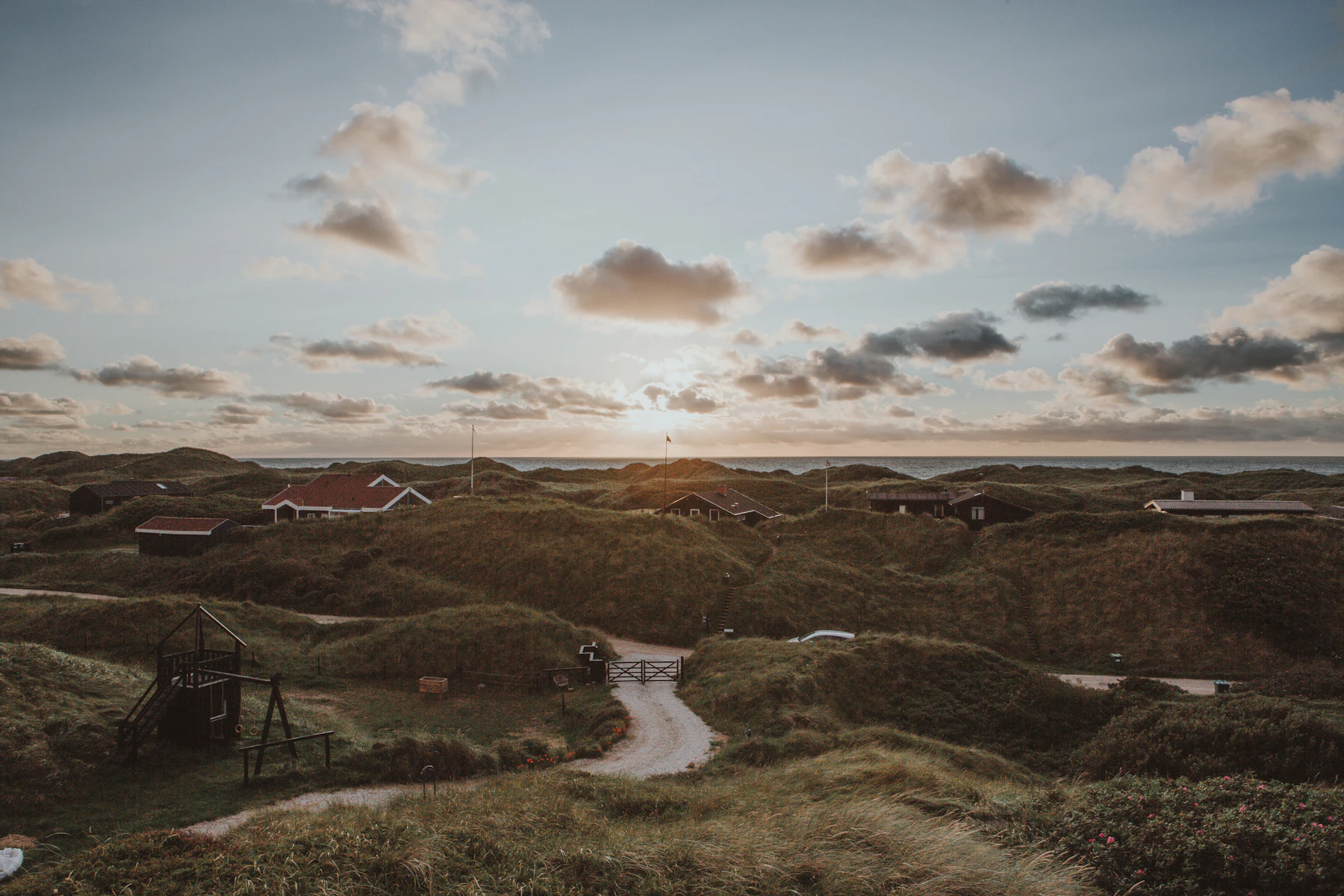
Central Denmark Region covers the middle of Jylland: Aarhus, the lake district around Silkeborg, and the windy dune coast on the North Sea side. 332 free shelters and tent sites are mapped here, and 195 of them need booking before you arrive.
01 · Map
02 · Every place · 332
Group 01 · Central Denmark Region
 ShelterFree
Central Denmark Region · Denmark
Checked Jul 20
ShelterFreeCentral Denmark Region · Denmark
Checked Jul 20
 ShelterFreeRéserver à l'avance
Central Denmark Region · Denmark
Checked Jul 20
ShelterFreeCentral Denmark Region · Denmark
Checked Jul 20
ShelterFreeCentral Denmark Region · Denmark
Checked Jul 20
ShelterFreeRéserver à l'avanceCentral Denmark Region · Denmark
Checked Jul 20
 ShelterFreeRéserver à l'avance
Central Denmark Region · Denmark
Checked Jul 20
ShelterFreeRéserver à l'avanceCentral Denmark Region · Denmark
Checked Jul 20
ShelterFreeCentral Denmark Region · Denmark
Checked Jul 20
ShelterFreeCentral Denmark Region · Denmark
Checked Jul 20
ShelterFreeRéserver à l'avanceCentral Denmark Region · Denmark
Checked Jul 20
ShelterFreeRéserver à l'avanceCentral Denmark Region · Denmark
Checked Jul 20
ShelterFreeRéserver à l'avanceCentral Denmark Region · Denmark
Checked Jul 20
ShelterFreeCentral Denmark Region · Denmark
Checked Jul 20
ShelterFreeRéserver à l'avanceCentral Denmark Region · Denmark
Checked Jul 20
ShelterFreeCentral Denmark Region · Denmark
Checked Jul 20
ShelterFreeRéserver à l'avanceCentral Denmark Region · Denmark
Checked Jul 20
ShelterFreeCentral Denmark Region · Denmark
Checked Jul 20
ShelterFreeRéserver à l'avanceCentral Denmark Region · Denmark
Checked Jul 20
ShelterFreeRéserver à l'avanceCentral Denmark Region · Denmark
Checked Jul 20
ShelterFreeCentral Denmark Region · Denmark
Checked Jul 20
ShelterFreeRéserver à l'avanceCentral Denmark Region · Denmark
Checked Jul 20
ShelterFreeRéserver à l'avanceCentral Denmark Region · Denmark
Checked Jul 20
ShelterFreeRéserver à l'avanceCentral Denmark Region · Denmark
Checked Jul 20
ShelterFreeCentral Denmark Region · Denmark
Checked Jul 20
ShelterFreeCentral Denmark Region · Denmark
Checked Jul 20
ShelterFreeRéserver à l'avanceCentral Denmark Region · Denmark
Checked Jul 20
ShelterFreeRéserver à l'avanceCentral Denmark Region · Denmark
Checked Jul 20
ShelterFreeCentral Denmark Region · Denmark
Checked Jul 20
ShelterFreeRéserver à l'avanceCentral Denmark Region · Denmark
Checked Jul 20
Group 02 · Central Denmark Region
CampingFreeCentral Denmark Region · Denmark
Checked Jul 20
CampingFreeRéserver à l'avanceCentral Denmark Region · Denmark
Checked Jul 20
CampingFreeCentral Denmark Region · Denmark
Checked Jul 20
CampingFreeCentral Denmark Region · Denmark
Checked Jul 20
CampingFreeCentral Denmark Region · Denmark
Checked Jul 20
CampingFreeRéserver à l'avanceCentral Denmark Region · Denmark
Checked Jul 20
CampingFreeRéserver à l'avanceCentral Denmark Region · Denmark
Checked Jul 20
CampingFreeCentral Denmark Region · Denmark
Checked Jul 20
CampingFreeCentral Denmark Region · Denmark
Checked Jul 20
CampingFreeCentral Denmark Region · Denmark
Checked Jul 20
CampingFreeRéserver à l'avanceCentral Denmark Region · Denmark
Checked Jul 20
CampingFreeCentral Denmark Region · Denmark
Checked Jul 20
CampingFreeRéserver à l'avanceCentral Denmark Region · Denmark
Checked Jul 20
CampingFreeCentral Denmark Region · Denmark
Checked Jul 20
CampingFreeCentral Denmark Region · Denmark
Checked Jul 20
CampingFreeCentral Denmark Region · Denmark
Checked Jul 20
CampingFreeRéserver à l'avanceCentral Denmark Region · Denmark
Checked Jul 20
CampingFreeCentral Denmark Region · Denmark
Checked Jul 20
CampingFreeCentral Denmark Region · Denmark
Checked Jul 20
CampingFreeRéserver à l'avanceCentral Denmark Region · Denmark
Checked Jul 20
CampingFreeCentral Denmark Region · Denmark
Checked Jul 20
CampingFreeCentral Denmark Region · Denmark
Checked Jul 20
CampingFreeCentral Denmark Region · Denmark
Checked Jul 20
CampingFreeCentral Denmark Region · Denmark
Checked Jul 20
CampingFreeCentral Denmark Region · Denmark
Checked Jul 20
CampingFreeCentral Denmark Region · Denmark
Checked Jul 20
CampingFreeRéserver à l'avanceCentral Denmark Region · Denmark
Checked Jul 20
CampingFreeCentral Denmark Region · Denmark
Checked Jul 20
CampingFreeCentral Denmark Region · Denmark
Checked Jul 20
CampingFreeCentral Denmark Region · Denmark
Checked Jul 20
03 · Before you go
What you are arriving at
In Central Denmark Region a stopover here means a simple overnight structure open to the public, designated by whoever manages the land.
Fees
Free parking and free services are two different things. Where a place charges for water or power, its own page says so. Carry coins for the ones with no price posted.
Season
149 of these 332 stopovers publish opening hours. The rest do not. Where no season is published, treat the water as something to confirm rather than something to plan around, and arrive with a full tank in the cold months.
04 · The detail
Central Denmark Region is the middle of Jylland, and it is three different trips depending on which side of it you are on. Aarhus and the east coast. The lake and river country around Silkeborg. Then the North Sea side, dune backed, flat and open, where the wind is the thing you plan around rather than the weather forecast.
332 free shelters and tent sites across Central Denmark Region, every one of them designated by a named public body. 268 are shelterpladser, a shelter being a three-sided timber hut you sleep in, and 64 are teltpladser, tent sites. Treat the count as a floor rather than a total: a blank part of the map is unmapped rather than empty. Where this comes from
Naturstyrelsen, the Danish Nature Agency, runs a large share through its Vestjylland and Søhøjlandet units. The rest belong to kommuner, chiefly Ringkøbing-Skjern, Holstebro and Herning.
Most of these have to be booked. 195 of the 332 need a reservation and 122 do not, so in this region assume you are booking unless the page says otherwise. Naturstyrelsen’s bookable sites go through book.naturstyrelsen.dk.
Drinking water is recorded at some of these places and explicitly absent at others. Recorded is not the same as running, so carry enough for the night and check the operator’s page if a working tap is the reason you picked the stop.
The North Sea side is the densest strip. Around Ringkøbing Fjord and the Skjern Å delta you get Røjklit Havn Shelterplads, Hvide Sande ved Mamrelund, Skjern Å Pumpestation Nord and the site at Bork Vikingehavn. This is the coast that draws heavy German traffic through the summer, and it is exposed. A pitch that reads as a nice open field on the map is a nice open field with nothing between it and the water.
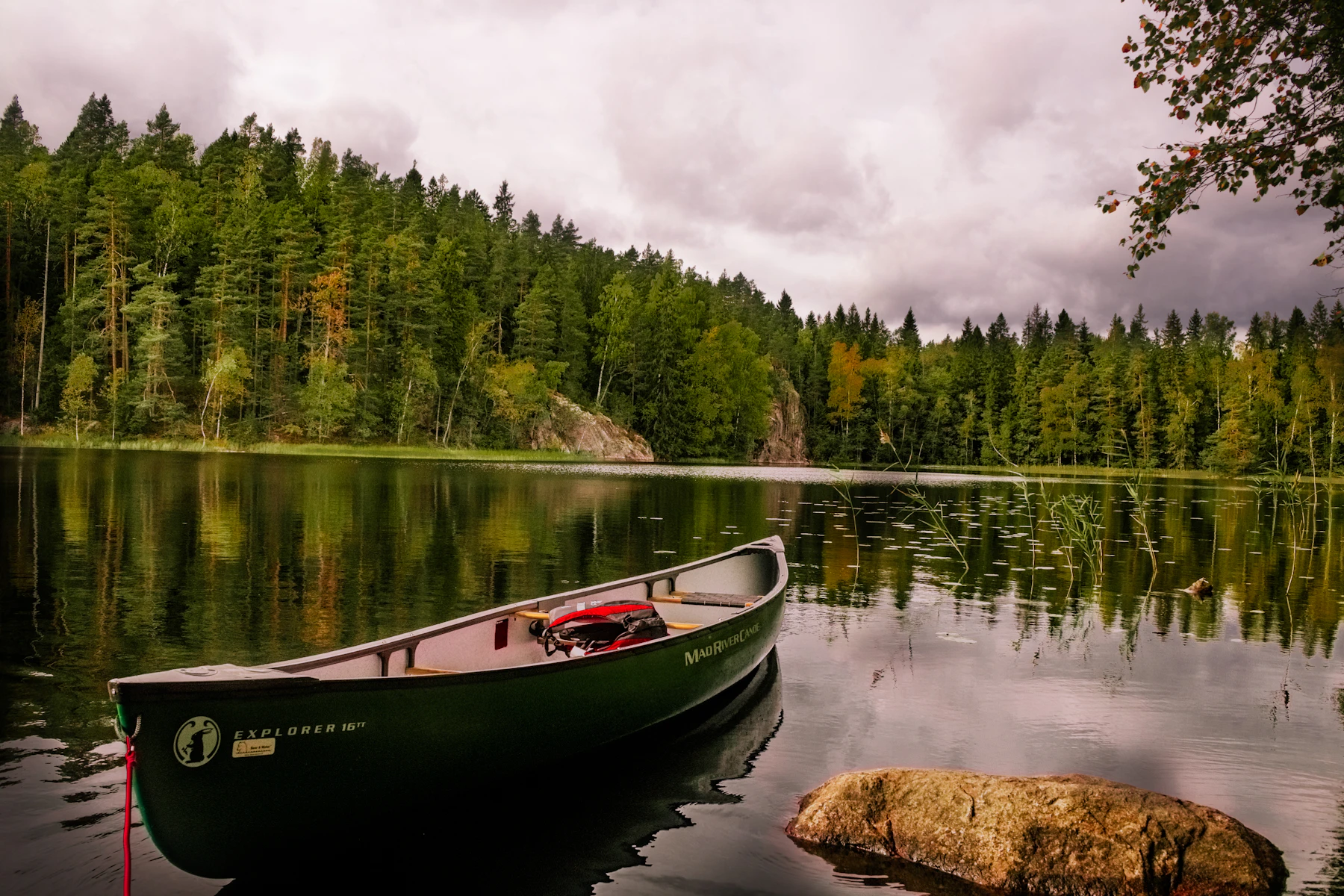
Inland northwest, around Holstebro, Vinderup and Ulfborg, is quieter and better sheltered by plantation forest. Lystbæk Lejrplads, Ramme Shelterplads, Yllebjerg, Vemb Kanoplads and Tvis Å Kanoplads are in this belt. Several of them are canoe stops, which tells you something useful about access: they are positioned for the river, not for the road.
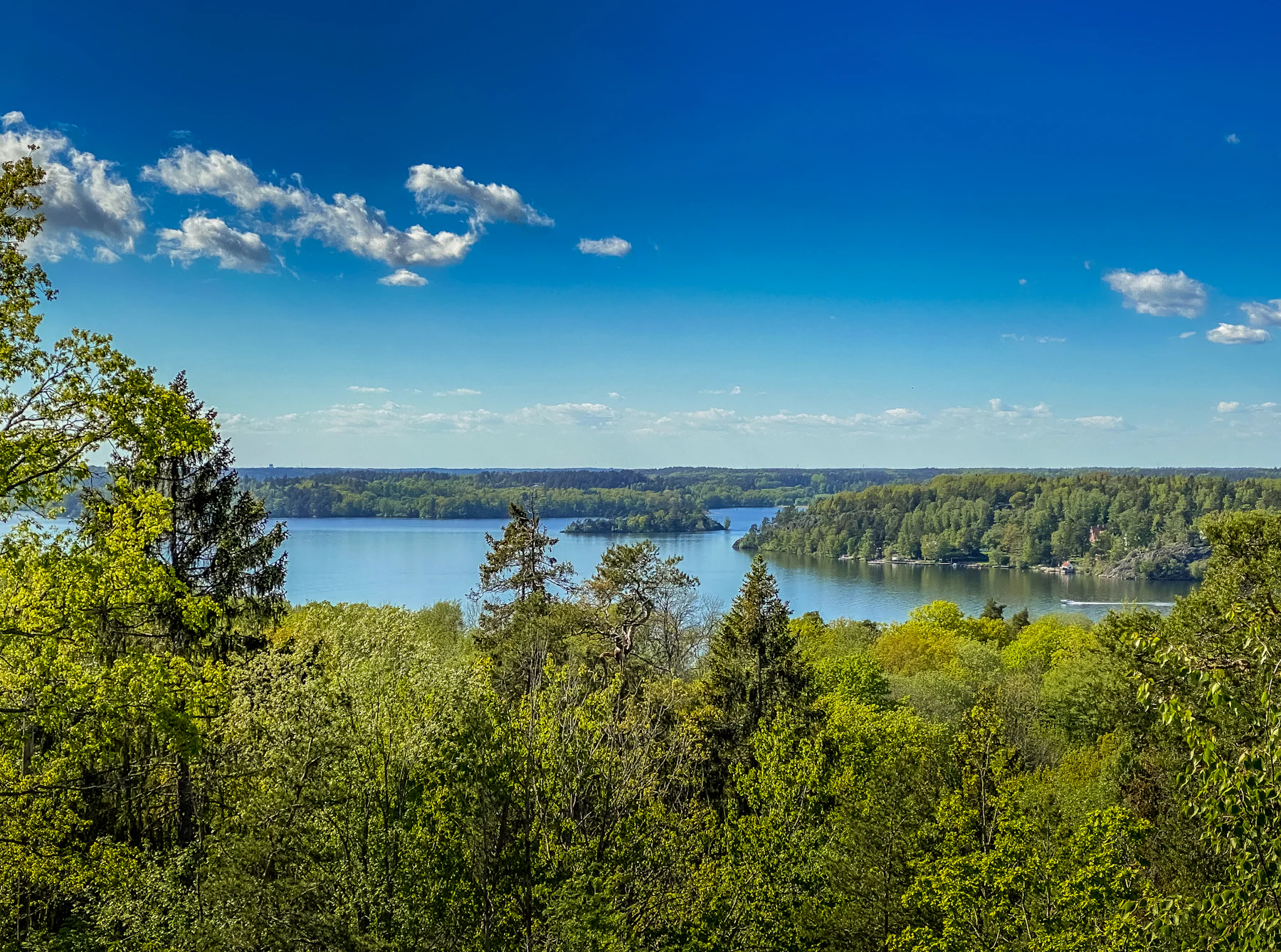
The lake district between Silkeborg, Ry and Skanderborg is where the canoe routes concentrate. Sminge Kanoteltplads, Klostermølle Teltplads, Skeldalen and Ans Søbred Shelterplads are along that water. One local quirk worth knowing: the OSM record for Junges Plantage near Skanderborg carries an opening hours note saying it closes during Smukfest, the August music festival. Confirm that with the operator before you rely on it, and take the general point: Danish sites do close for events, so check the dates you are traveling.
East, on Djursland, there are 21, clustered in the plantations and around Kalø Vig and Stubbe Sø, plus the older points at Ahl Hage and Boeslum Strand near Ebeltoft. Several of the Djursland shelters mark in their own name whether they take bookings, which is a fair warning that the answer varies site by site even within one forest. Around Horsens and south of Aarhus there are more, such as Brigsted and Skablund Skov.
Plan on a short season. Late June to mid August is when everything is open, everything is busy, and the coastal sites fill first. July is the crunch.
Outside that window the constraint is facilities rather than access. Water points and toilets at Danish primitive sites are widely turned off for winter to stop the pipes freezing, so arrive self-sufficient from September onward. If the site has an operator page, that is where a winter closure gets stated.
The west coast wind is a year round planning factor, not a winter one. A westerly off the North Sea in June will find you in an open dune car park just as reliably as one in October, and it decides whether an exposed pitch is pleasant or unusable.
Denmark does not work like Sweden or Norway, and the difference is the exact thing people get wrong. Read the Nordic right to roam page before you count on sleeping anywhere that is not a designated site, because it carries the cited position.
The posted sign at the site and the operator’s current guidance beat anything on this website.
05 · Frequently asked
For 195 of the 332 sites here, yes, which makes booking the norm in this region rather than the exception. Naturstyrelsen takes reservations at book.naturstyrelsen.dk. Another 122 are first come, first served. Every place page states which one it is and links the record it came from, so check before you commit to a detour, especially in July.
Three areas account for most of them. The North Sea side around Ringkøbing Fjord and Skjern Å, with sites such as Røjklit Havn Shelterplads and the one at Bork Vikingehavn. The inland northwest around Holstebro, Vinderup and Ulfborg, including Lystbæk Lejrplads and Vemb Kanoplads. And the lake and river country between Silkeborg and Skanderborg, where Sminge Kanoteltplads, Klostermølle Teltplads and Ans Søbred Shelterplads sit on the canoe routes.
Do not assume it. A large share of what is mapped here is a teltplads or a kanoplads, a tent or canoe site reached on foot or by water rather than a parking area with bays. Read the individual page and the posted sign before you drive in, and see what an aire is for the type of place that does take a vehicle.
Danish summer is short and July is the crunch. Late June through mid August is when the region is busiest and when the North Sea coast fills with visitors. Water points and toilets at these sites are commonly shut off over winter, so arrive self-sufficient outside the summer and check the operator's own page for the closing date.
06 · Nearby