What you are arriving at
What the sign says
In Region Zealand a stopover here means a simple overnight structure open to the public, designated by whoever manages the land.


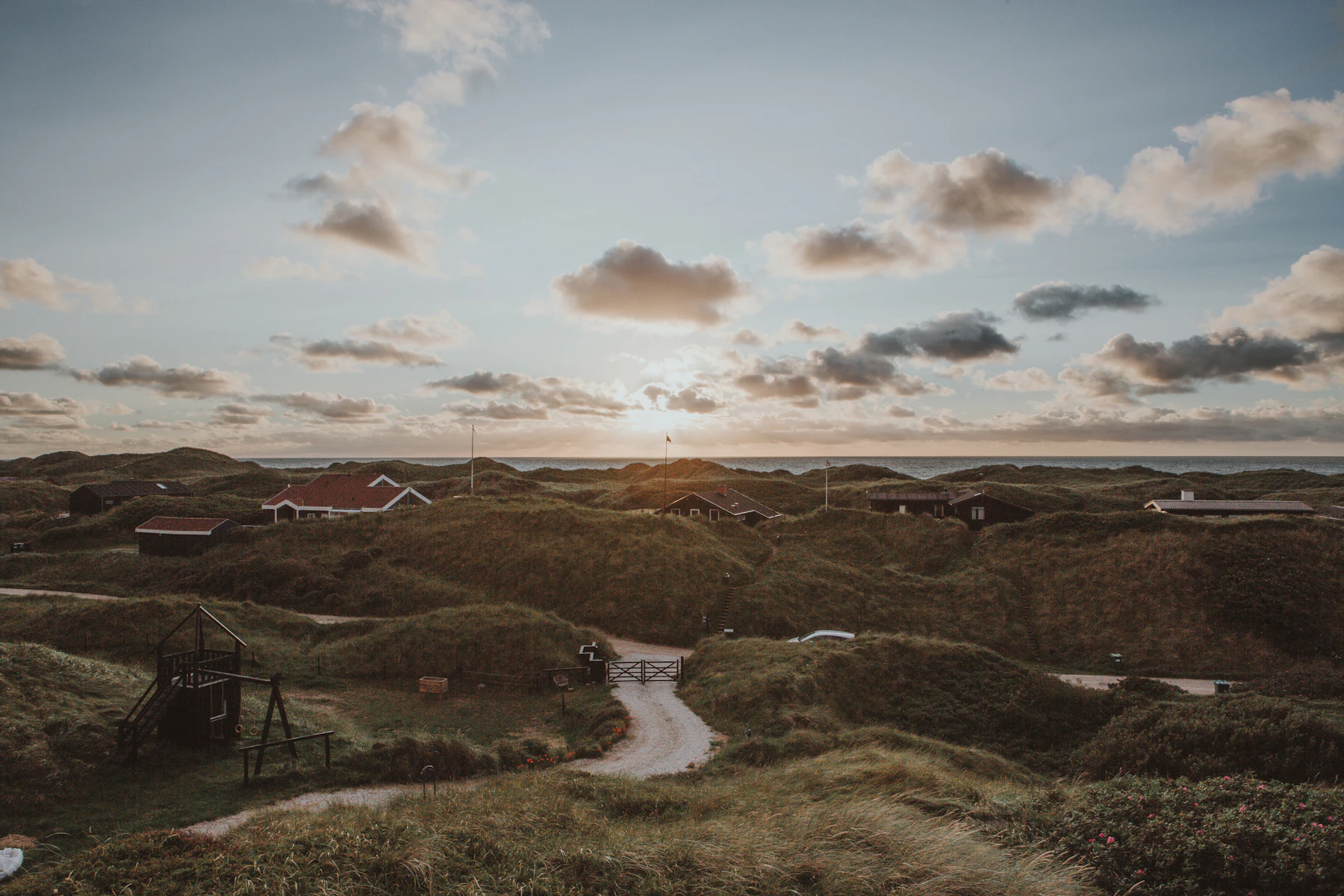
Region Zealand is everything on Zealand outside the capital, plus Lolland, Falster and Møn. 118 free shelters and tent sites are mapped here, and it is the part of Denmark most British and German drivers cross without stopping. 63 of them need booking first.
01 · Map
02 · Every place · 118
Group 01 · Region Zealand
ShelterFreeRéserver à l'avanceRegion Zealand · Denmark
Checked Jul 20
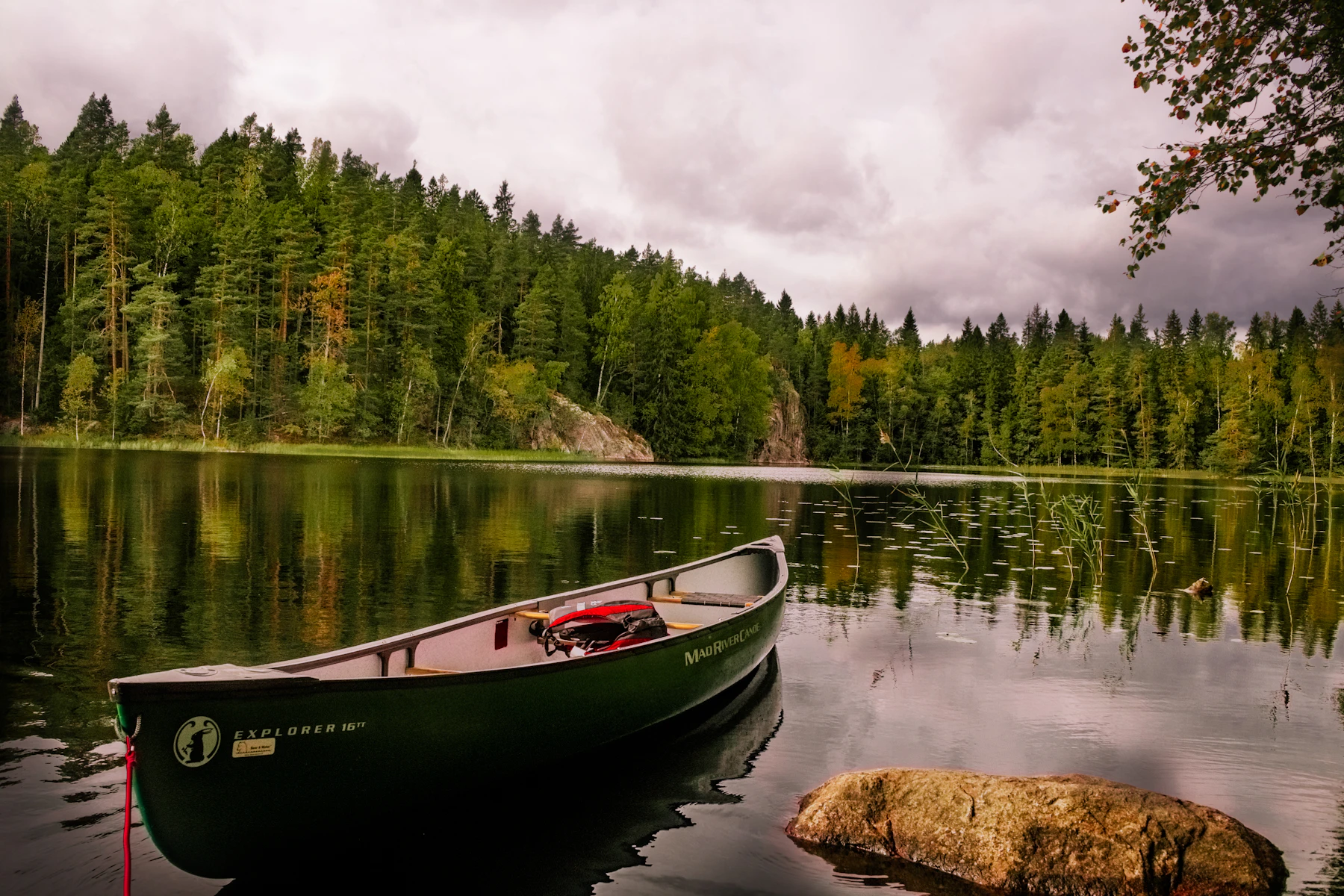 ShelterFreeRéserver à l'avance
Region Zealand · Denmark
Checked Jul 20
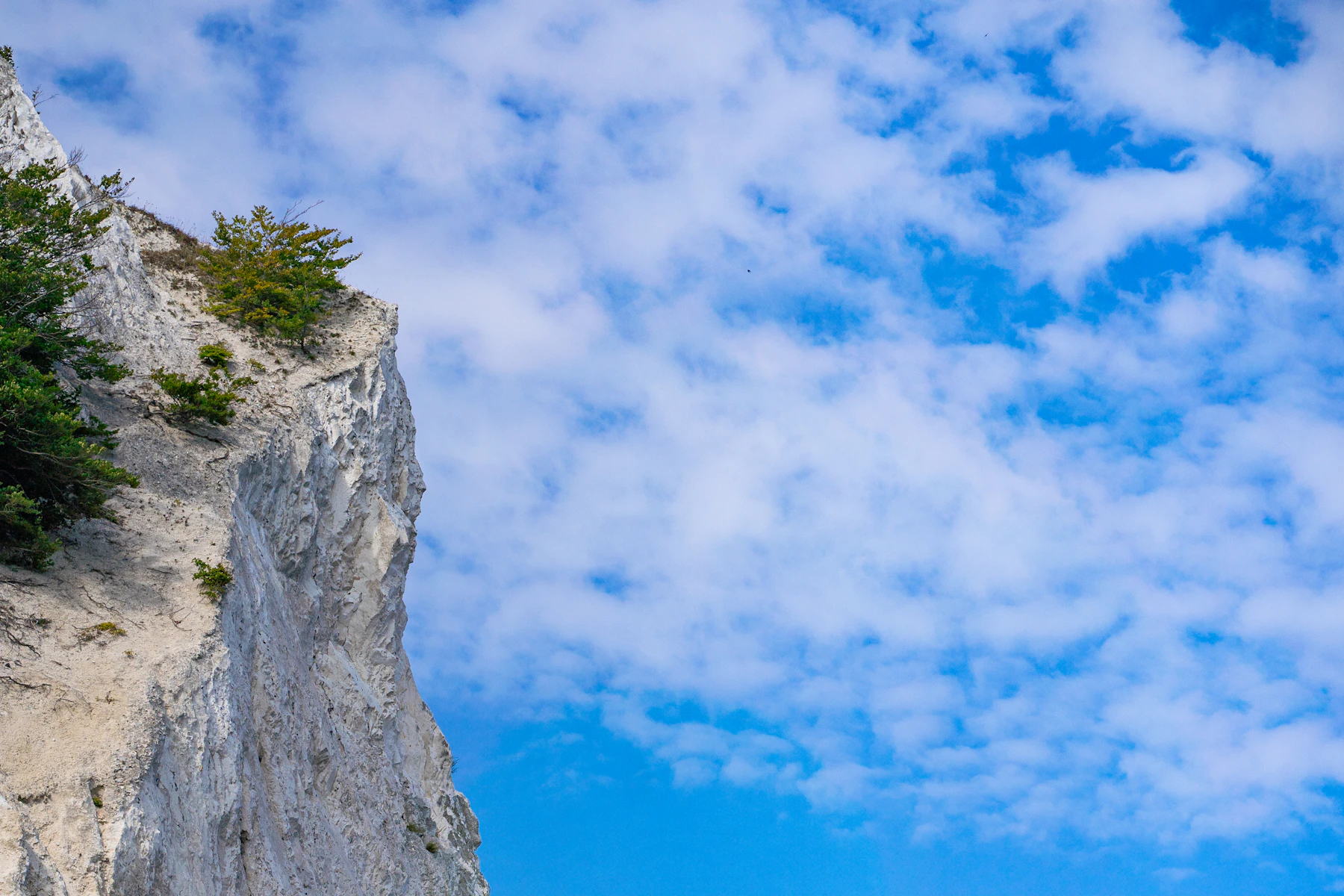 ShelterFreeRéserver à l'avance
Region Zealand · Denmark
Checked Jul 20
ShelterFreeRegion Zealand · Denmark
Checked Jul 20
ShelterFreeRegion Zealand · Denmark
Checked Jul 20
ShelterFreeRegion Zealand · Denmark
Checked Jul 20
ShelterFreeRéserver à l'avanceRegion Zealand · Denmark
Checked Jul 20
ShelterFreeRegion Zealand · Denmark
Checked Jul 20
ShelterFreeRéserver à l'avanceRegion Zealand · Denmark
Checked Jul 20
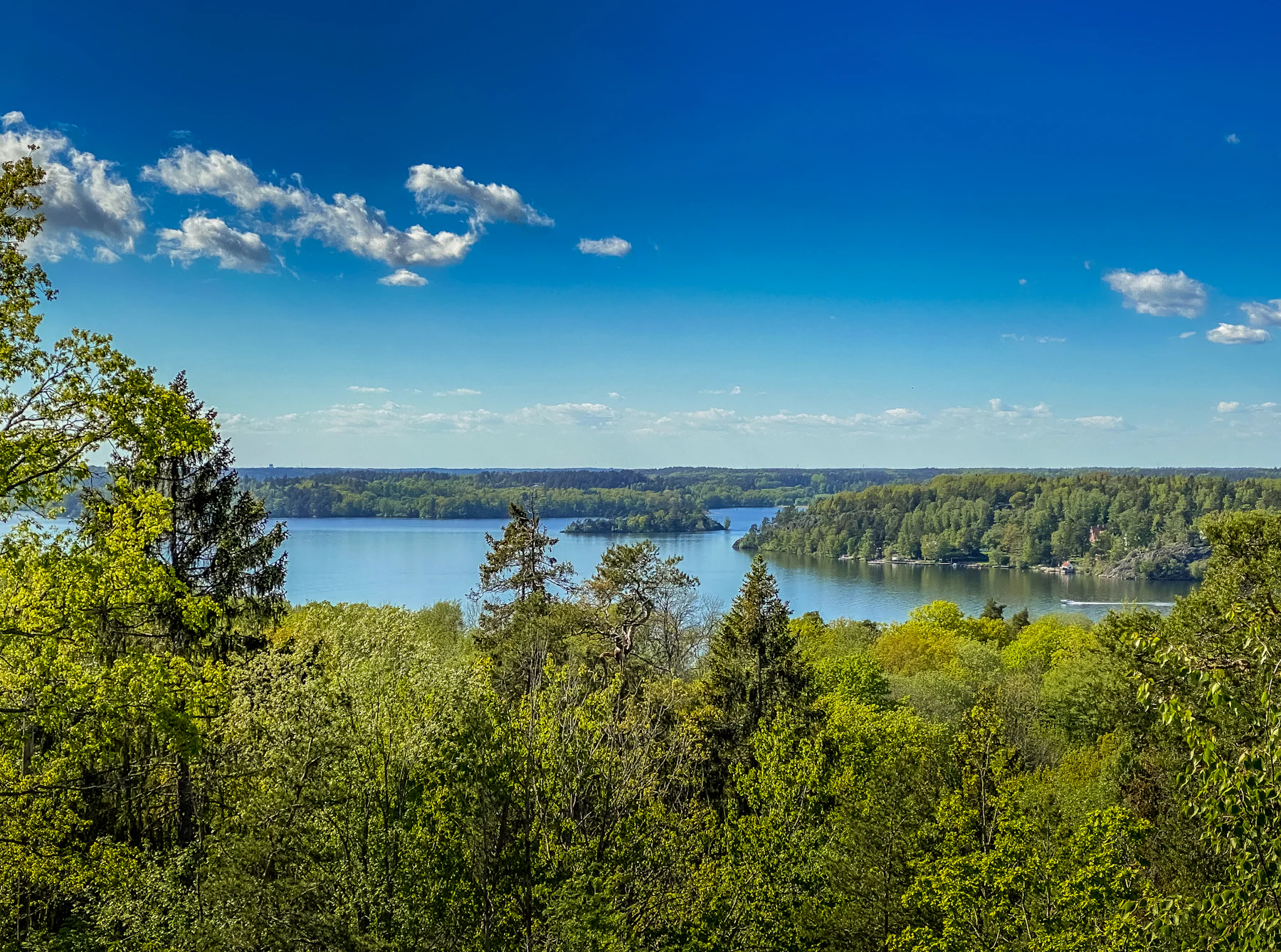 ShelterFree
Region Zealand · Denmark
Checked Jul 20
ShelterFreeRegion Zealand · Denmark
Checked Jul 20
ShelterFreeRegion Zealand · Denmark
Checked Jul 20
ShelterFreeRéserver à l'avanceRegion Zealand · Denmark
Checked Jul 20
ShelterFreeRegion Zealand · Denmark
Checked Jul 20
ShelterFreeRegion Zealand · Denmark
Checked Jul 20
ShelterFreeRegion Zealand · Denmark
Checked Jul 20
ShelterFreeRéserver à l'avanceRegion Zealand · Denmark
Checked Jul 20
ShelterFreeRegion Zealand · Denmark
Checked Jul 20
ShelterFreeRéserver à l'avanceRegion Zealand · Denmark
Checked Jul 20
ShelterFreeRéserver à l'avanceRegion Zealand · Denmark
Checked Jul 20
ShelterFreeRéserver à l'avanceRegion Zealand · Denmark
Checked Jul 20
ShelterFreeRéserver à l'avanceRegion Zealand · Denmark
Checked Jul 20
ShelterFreeRéserver à l'avanceRegion Zealand · Denmark
Checked Jul 20
ShelterFreeRéserver à l'avanceRegion Zealand · Denmark
Checked Jul 20
ShelterFreeRéserver à l'avanceRegion Zealand · Denmark
Checked Jul 20
ShelterFreeRéserver à l'avanceRegion Zealand · Denmark
Checked Jul 20
ShelterFreeRéserver à l'avanceRegion Zealand · Denmark
Checked Jul 20
ShelterFreeRegion Zealand · Denmark
Checked Jul 20
ShelterFreeRegion Zealand · Denmark
Checked Jul 20
ShelterFreeRegion Zealand · Denmark
Checked Jul 20
Group 02 · Region Zealand
CampingFreeRéserver à l'avanceRegion Zealand · Denmark
Checked Jul 20
CampingFreeRéserver à l'avanceRegion Zealand · Denmark
Checked Jul 20
CampingFreeRegion Zealand · Denmark
Checked Jul 20
CampingFreeRegion Zealand · Denmark
Checked Jul 20
CampingFreeRegion Zealand · Denmark
Checked Jul 20
CampingFreeRegion Zealand · Denmark
Checked Jul 20
CampingFreeRegion Zealand · Denmark
Checked Jul 20
CampingFreeRéserver à l'avanceRegion Zealand · Denmark
Checked Jul 20
CampingFreeRegion Zealand · Denmark
Checked Jul 20
CampingFreeRéserver à l'avanceRegion Zealand · Denmark
Checked Jul 20
CampingFreeRéserver à l'avanceRegion Zealand · Denmark
Checked Jul 20
CampingFreeRegion Zealand · Denmark
Checked Jul 20
CampingFreeRéserver à l'avanceRegion Zealand · Denmark
Checked Jul 20
CampingFreeRegion Zealand · Denmark
Checked Jul 20
CampingFreeRegion Zealand · Denmark
Checked Jul 20
CampingFreeRegion Zealand · Denmark
Checked Jul 20
CampingFreeRegion Zealand · Denmark
Checked Jul 20
CampingFreeRegion Zealand · Denmark
Checked Jul 20
CampingFreeRegion Zealand · Denmark
Checked Jul 20
CampingFreeRegion Zealand · Denmark
Checked Jul 20
CampingFreeRegion Zealand · Denmark
Checked Jul 20
Group 03 · Region Zealand
DispersedFreeRegion Zealand · Denmark
Checked Jul 20
Only 1 place here
Arriving late without a second option is a bad idea in Region Zealand. The neighboring regions below are the nearest alternatives, so pick one before you set off rather than at nine in the evening.
All of Denmark03 · Before you go
What you are arriving at
In Region Zealand a stopover here means a simple overnight structure open to the public, designated by whoever manages the land.
Fees
Free parking and free services are two different things. Where a place charges for water or power, its own page says so. Carry coins for the ones with no price posted.
Season
77 of these 118 stopovers publish opening hours. The rest do not. Where no season is published, treat the water as something to confirm rather than something to plan around, and arrive with a full tank in the cold months.
04 · The detail
Region Zealand is the rest of Zealand once the capital is taken out of it, plus Lolland, Falster and Møn to the south. For a lot of drivers it is the country they cross to get somewhere else: the motorway from the German border to Copenhagen runs straight through the middle of it.
That is exactly why it is useful. The traffic is on the E47 and E55. The free sites are not.
118 free shelters and tent sites, each one designated by a named public body. Naturstyrelsen’s Storstrøm and Midtsjælland units run about two thirds of them between them. The rest belong to kommuner, mainly Holbæk, Lejre and Stevns.
63 of the 118 have to be booked in advance and 53 do not, so assume booking is likely here rather than the exception. Naturstyrelsen takes reservations at book.naturstyrelsen.dk.
As everywhere in Denmark, these are places you walk into from a car park. A shelter is a three-sided timber hut you sleep in, and a teltplads is a tent site. Neither is somewhere to spend the night in a vehicle.
The northwest, around Holbæk, Jyderup and Odsherred, is the densest cluster. Skarresø at Jyderup, several sites in Holbæk Dyrehave, Tølløse Dyrehave and Kongsøre Skov are all in that belt of forest and lake between the fjords. Holbæk Kommune runs a good number of them itself.
Møn, in the far southeast, is the one to go out of your way for. The chalk cliffs at Møns Klint are the best known landscape in this half of the country, the island is a designated dark sky area, and there are sites inland at Mandemarke Haver.
The Stevns coast, south of Køge, is a UNESCO listed chalk cliff with a handful of kommune sites behind it, and it gets a fraction of Møn’s visitors.
The south, on Lolland and Falster, is flat, agricultural and thinly covered. There is less here, and what there is tends to be near the coast.
Late June to mid August is the window when everything is open, and it is also when the bookable sites fill. Outside it the constraint is facilities rather than access: Danish sites widely turn the water off for winter, so from September onward carry your own.
Denmark does not give a general right to camp on open land the way Sweden and Norway do. The designated network on this page is the alternative, and it is a good one. The Nordic right to roam page sets out what each country actually permits, with the sources.
The posted sign at the site and the operator’s current guidance beat anything written here.
05 · Frequently asked
For 63 of the 118 sites here, yes, which is slightly more than half. Naturstyrelsen's bookable sites go through book.naturstyrelsen.dk. The other 53 are first come, first served. Every place page here states which one it is and links the record it came from, so check before you commit to a detour.
Mostly no. What is mapped here is shelters and tent sites reached on foot from a car park, not stopovers with bays you sleep in the vehicle on. Park where the site says and walk in. Denmark has very few aires in the French sense, which is worth knowing before you plan a driving route around them.
It is the bit most people drive through, and that is the argument for stopping. The E47 and E55 run the length of this region carrying traffic between Germany and Copenhagen over the Storebælt and Fehmarn crossings. The free sites sit off that corridor, in the state forests around Sorø and Holbæk and along the south coast, rather than on it.
Møn, for the chalk cliffs at Møns Klint and the dark skies behind them, with sites such as Mandemarke Haver. The Odsherred and Holbæk forests in the northwest, where Naturstyrelsen Midtsjælland and Holbæk Kommune run a cluster including Skarresø at Jyderup and several in Holbæk Dyrehave. And the Stevns coast south of Køge, which is a UNESCO listed cliff and quieter than Møn.
Late June to mid August is when everything is open and busy. The sites are largely open all year, but Danish water points are commonly turned off through the winter, so from September onward arrive carrying your own water and check the operator's page if a working tap is why you picked the stop.
06 · Nearby