What you are arriving at
What the sign says
In Grand Est a stopover here means an aire de services, a stopover designated by the commune. Usually a small marked car park with a service point for water and waste, signed from the road.


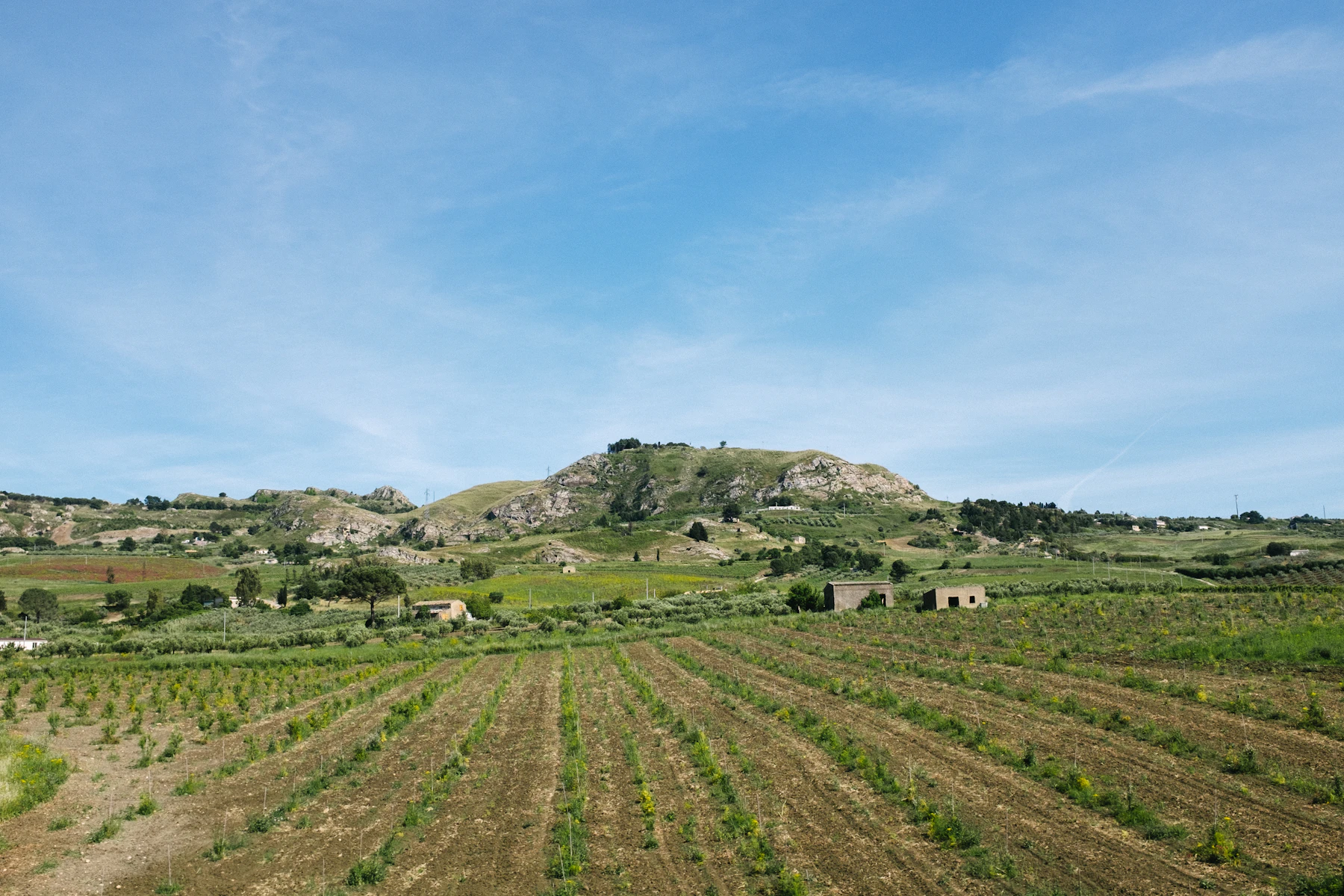
Grand Est is the border region: Germany, Belgium, Luxembourg and Switzerland are all a short drive away, and the free stopovers here reflect that. Two clusters dominate, the Alsace wine villages and the Champagne vineyards, with the Vosges between them.
01 · Map
02 · Every place · 284
Group 01 · Grand Est
 AirePaid
Grand Est · France
Checked Apr 12
 AireFee not stated
Grand Est · France
Checked Feb 11
 AireFee not stated
Grand Est · France
Checked Feb 13
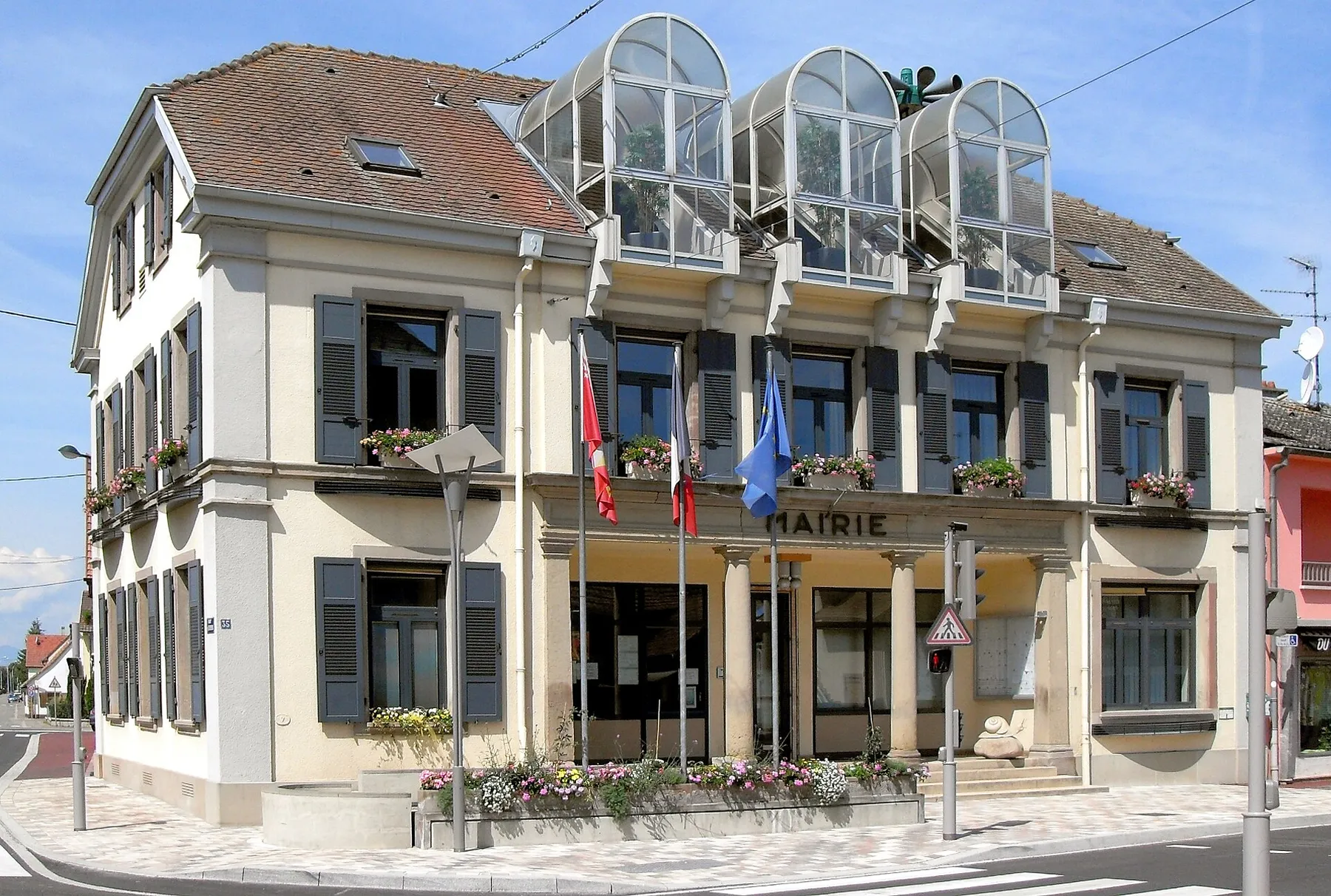 AirePaid
Grand Est · France
Checked May 28
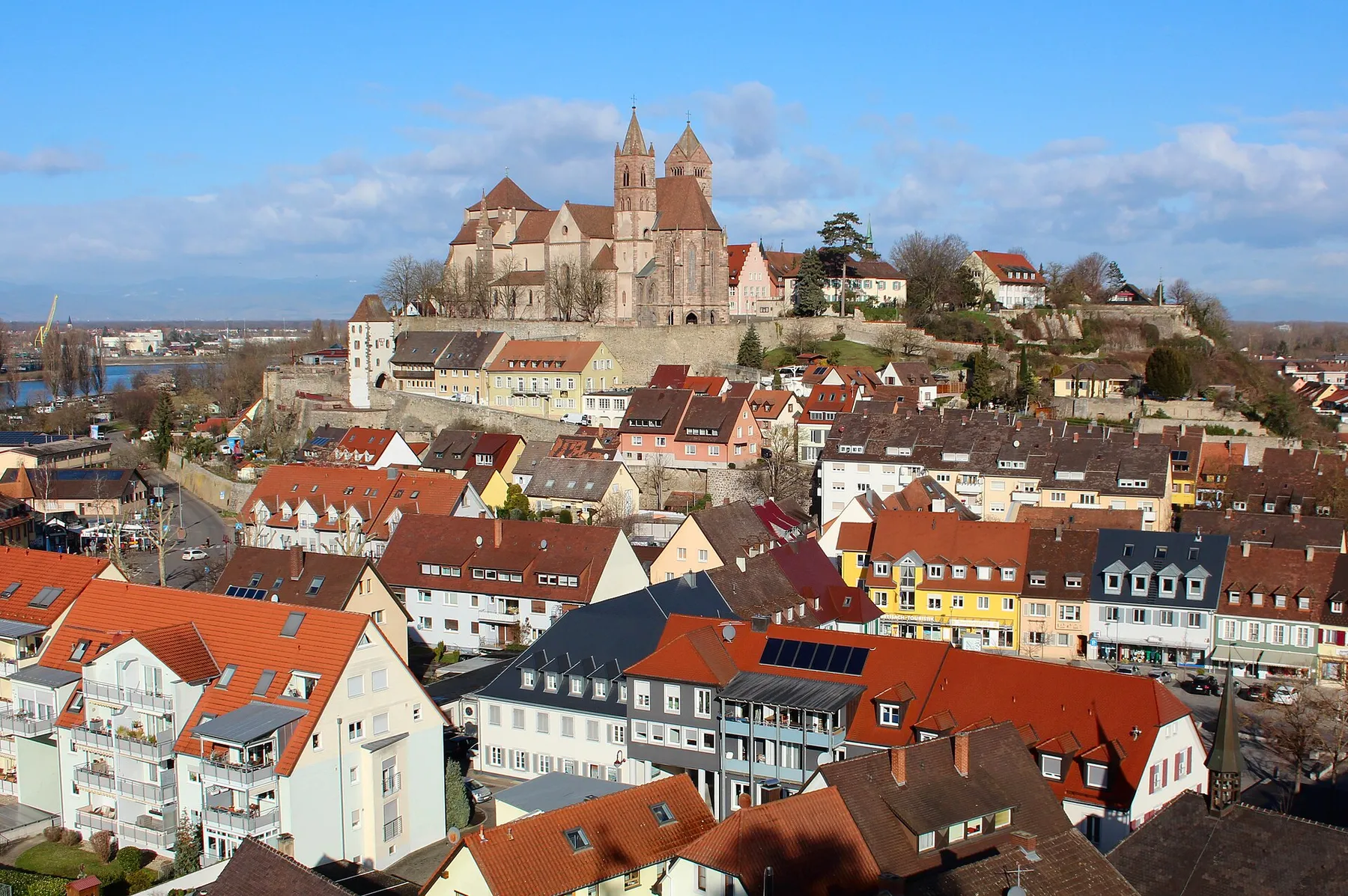 AirePaid
Grand Est · France
Checked May 27
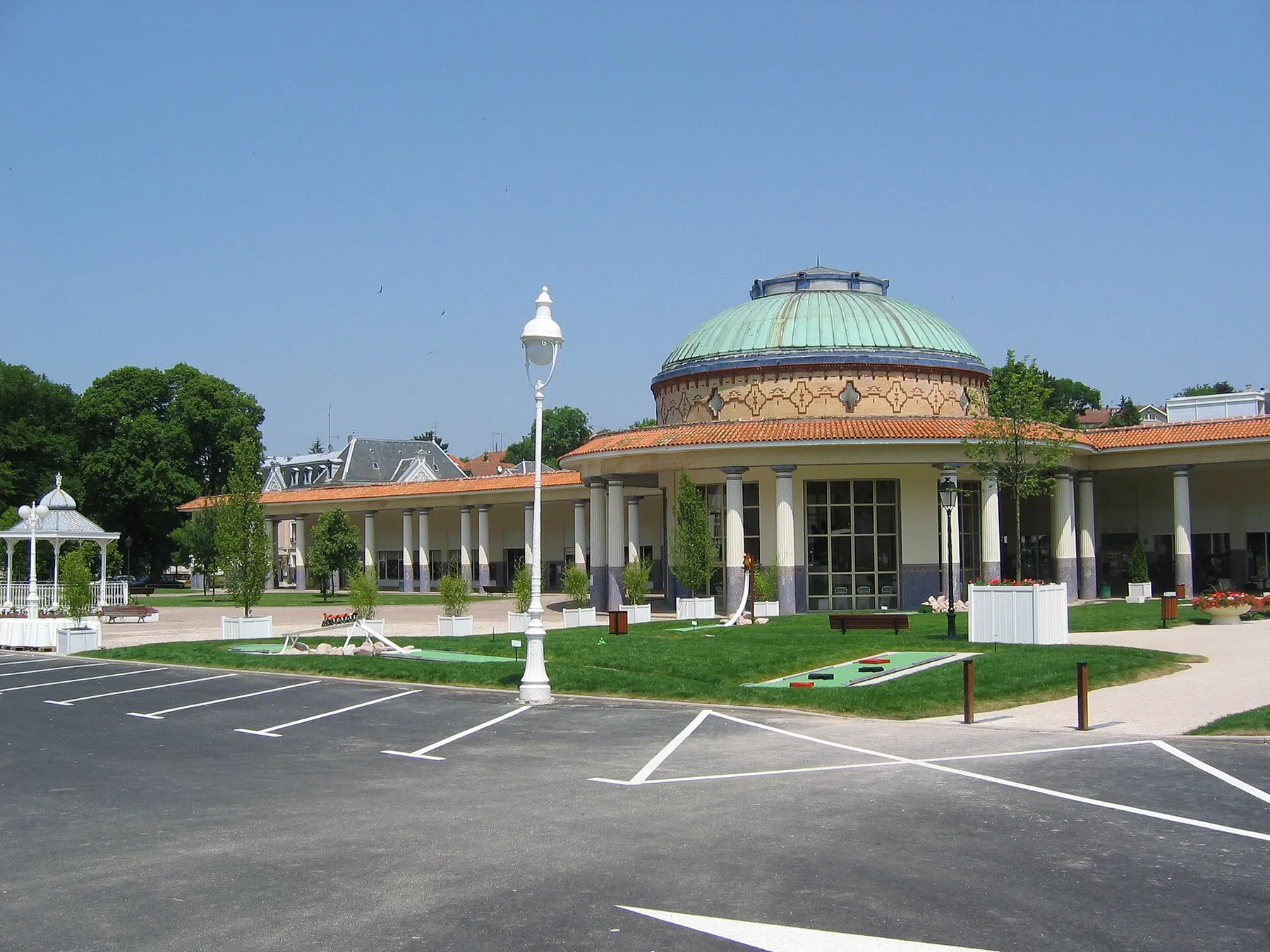 AirePaid · 12 €/night
Grand Est · France
Checked Oct 10
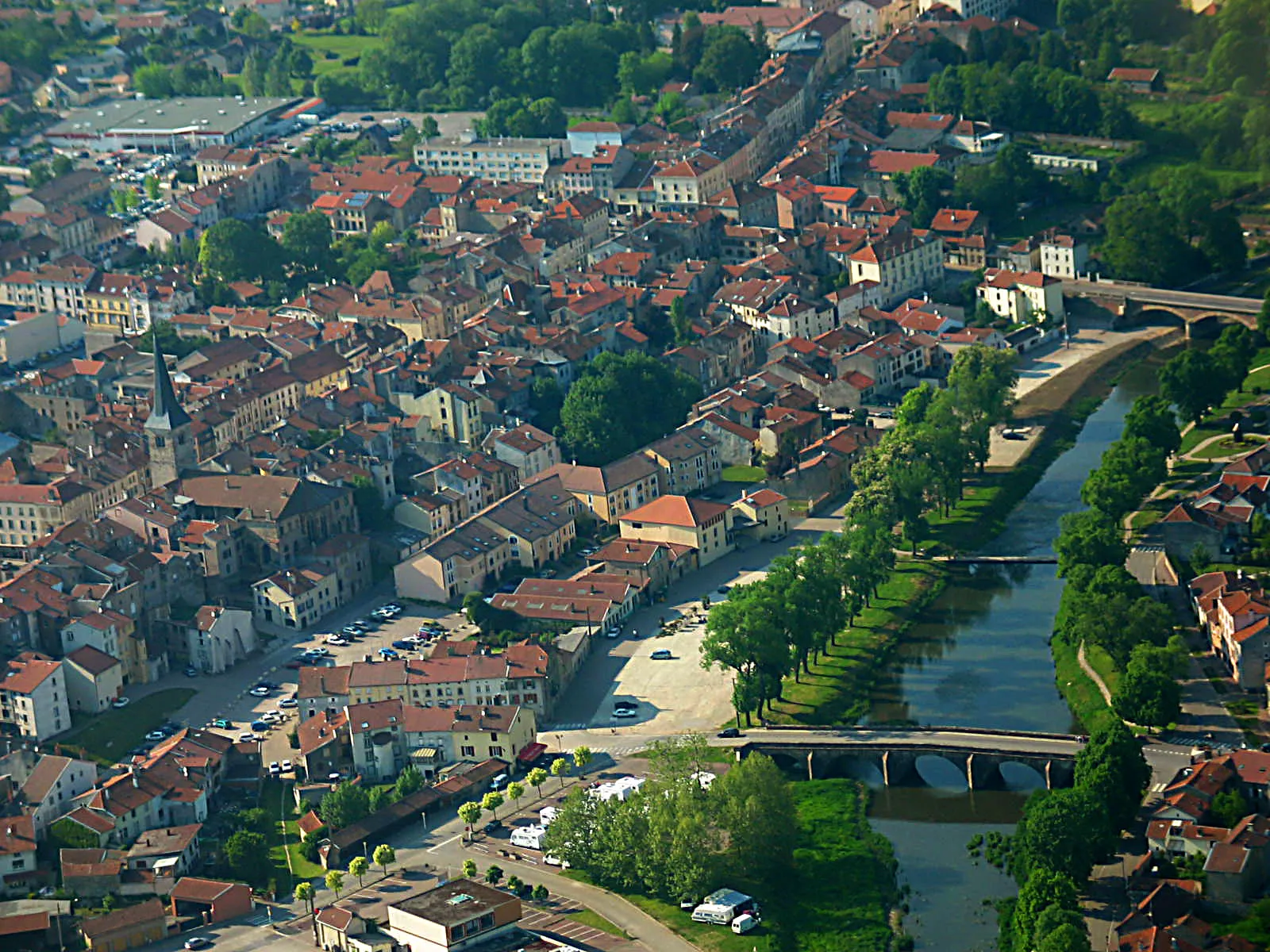 AirePaid
Grand Est · France
Checked Jan 12
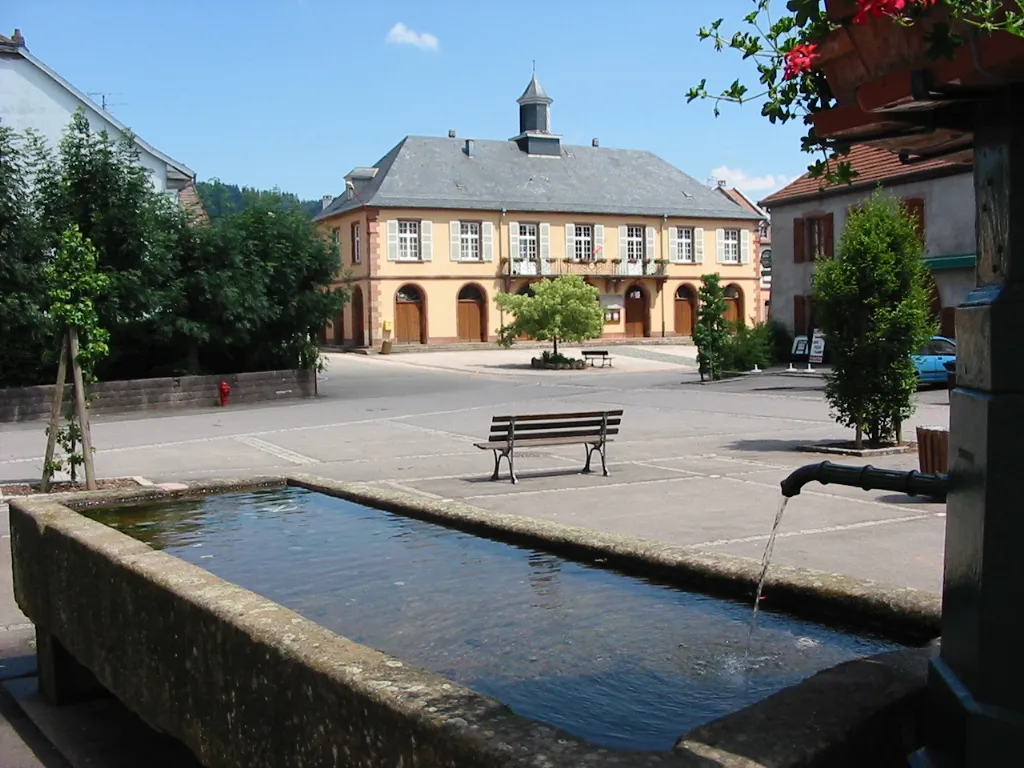 AirePaid
Grand Est · France
Checked Jun 18
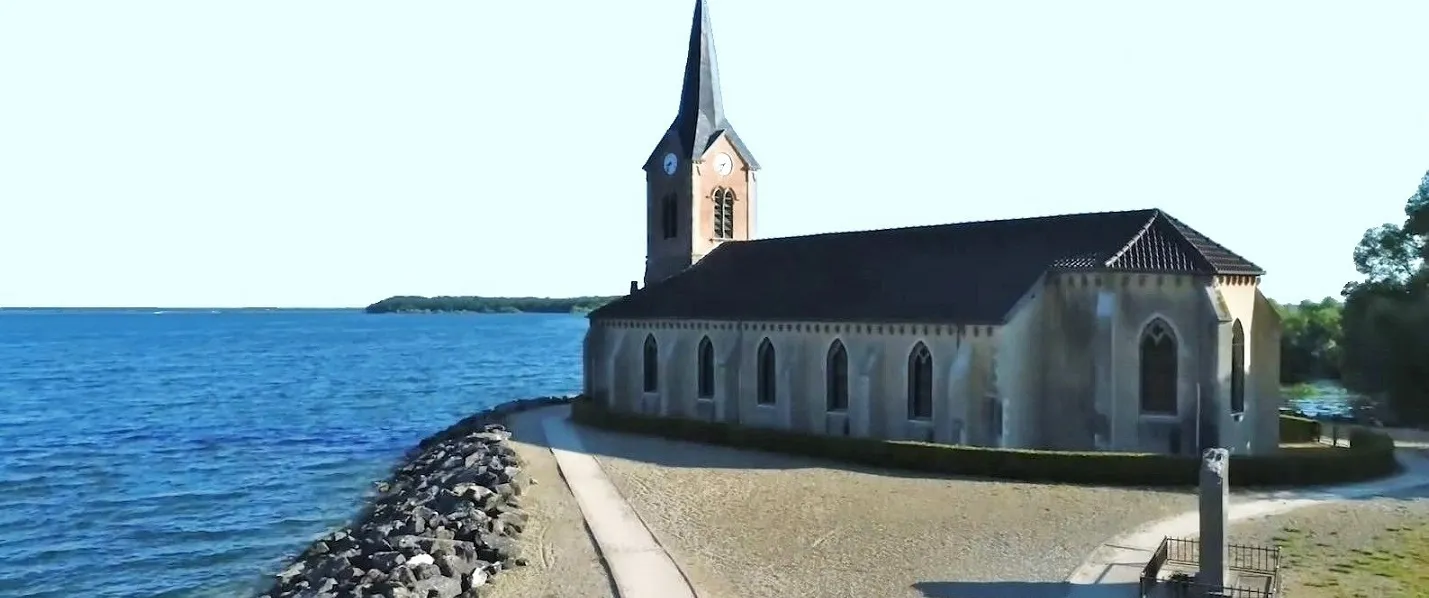 AirePaid
Grand Est · France
Checked Jan 30
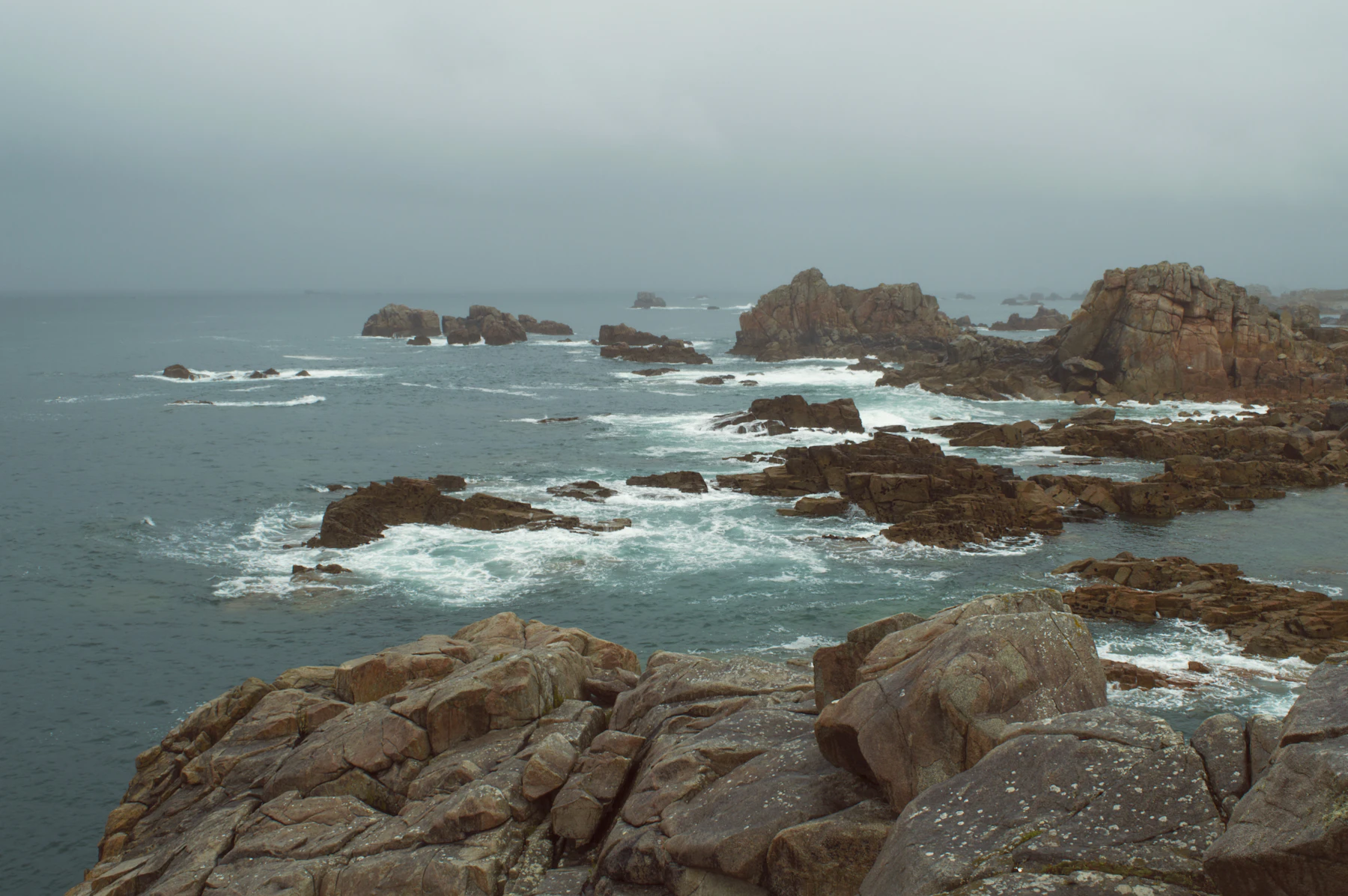 AirePaid
Grand Est · France
Checked Jan 30
 AirePaid
Grand Est · France
Checked Jan 30
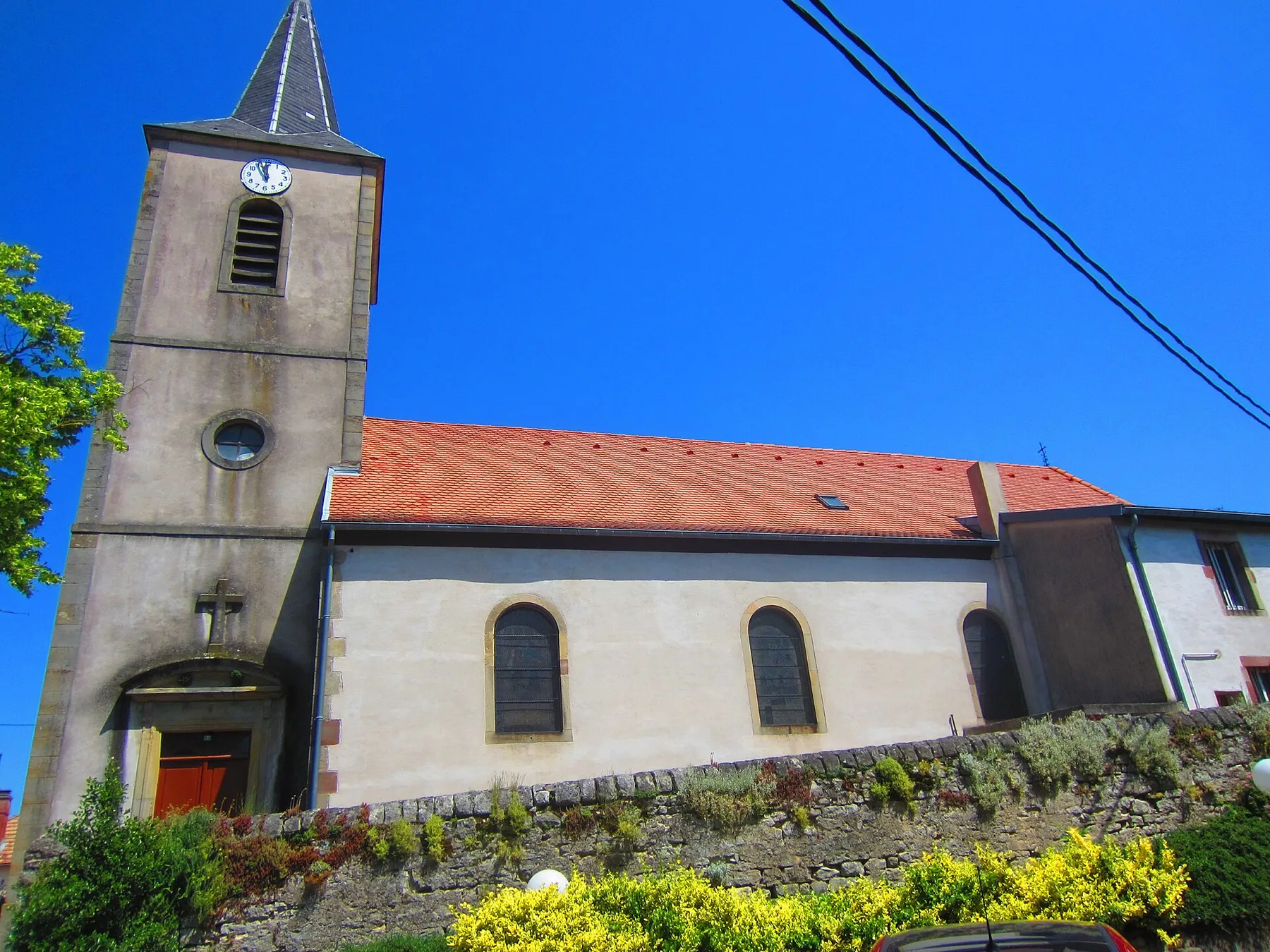 AireFree
Grand Est · France
Checked May 26
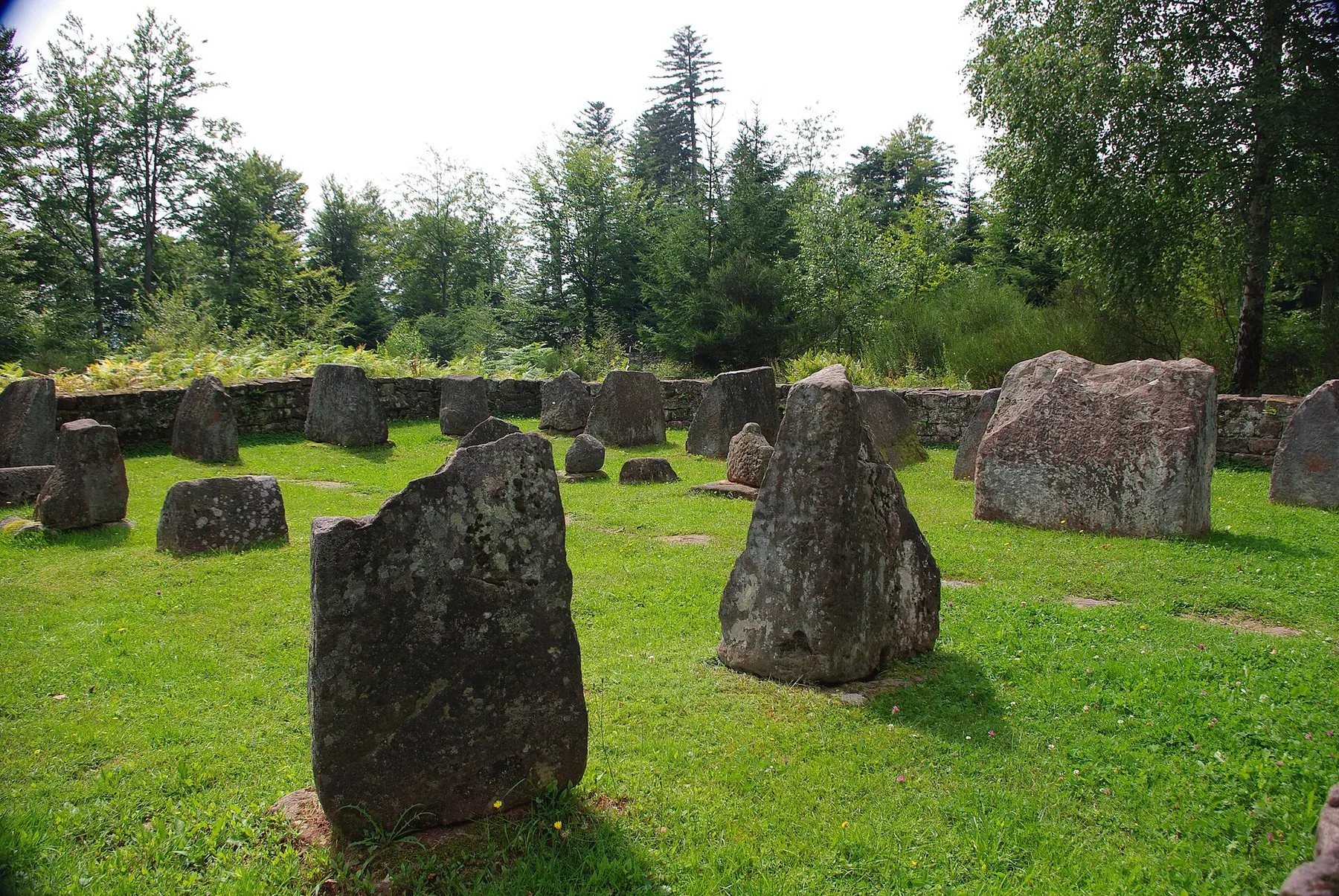 AirePaid
Grand Est · France
Checked Jan 16
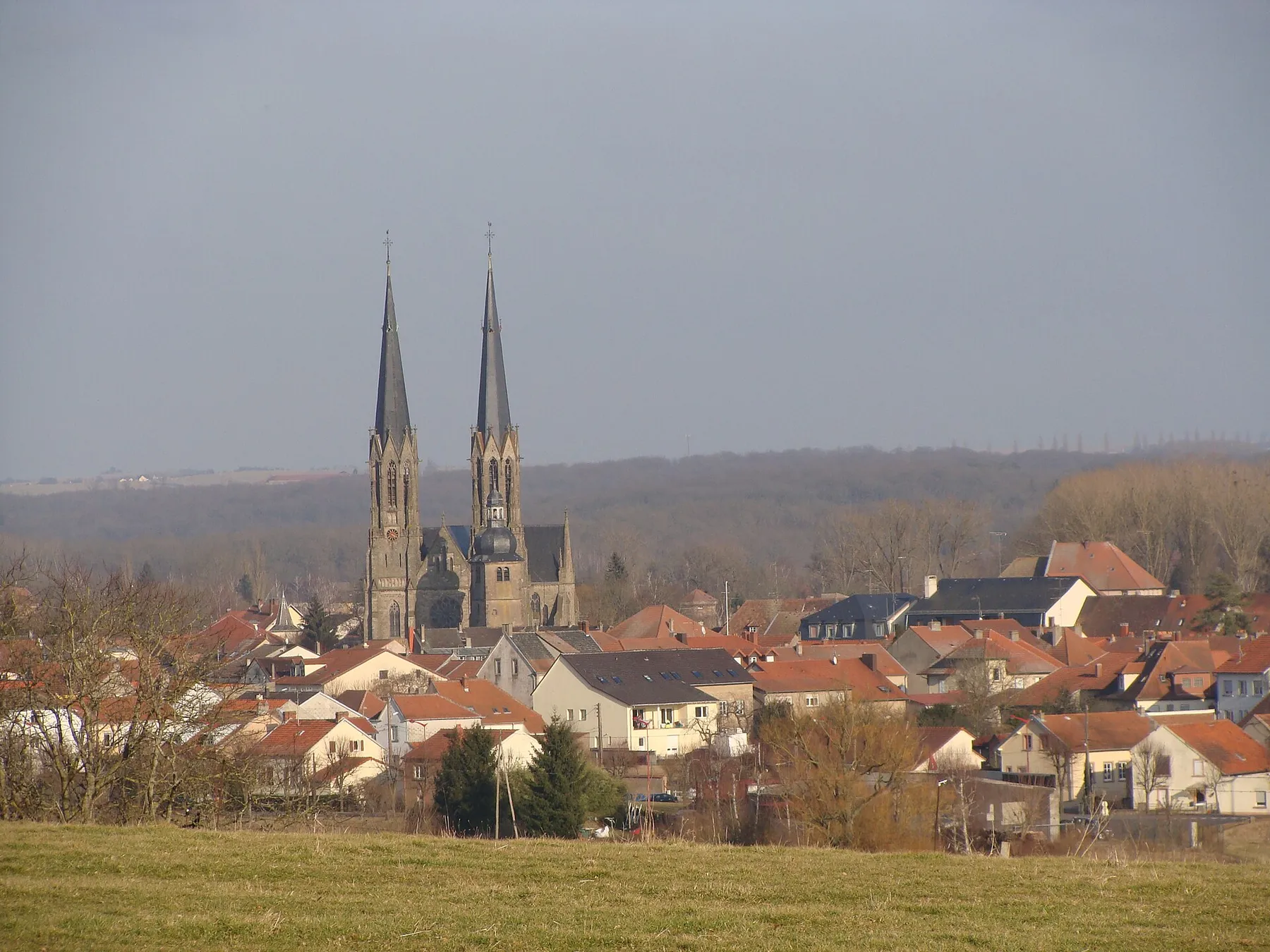 AireFree
Grand Est · France
Checked Oct 24
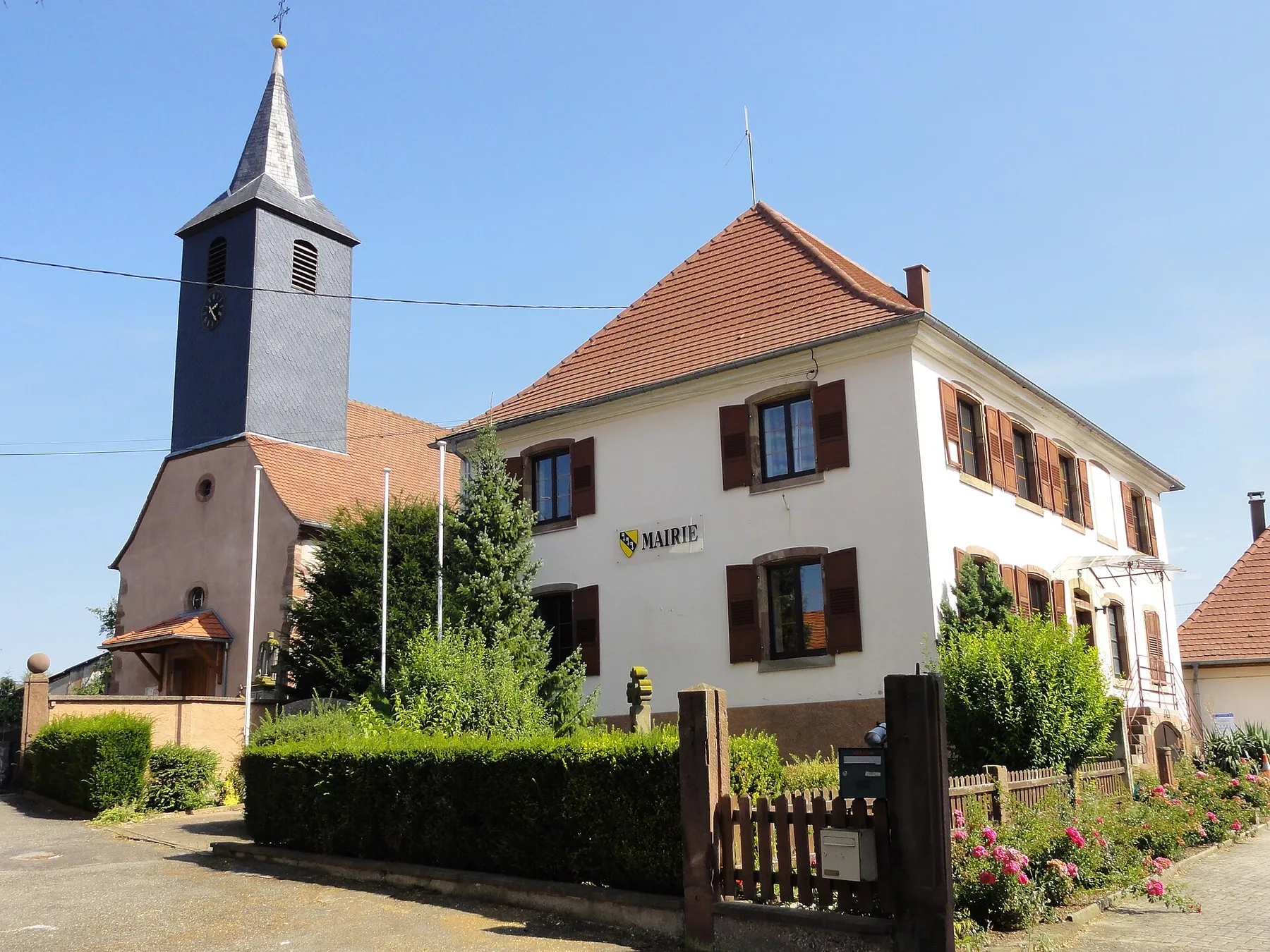 AireFree
Grand Est · France
Checked Mar 9
 AireFee not stated
Grand Est · France
Checked Jun 10
 AireFree
Grand Est · France
Checked May 28
 AireFree
Grand Est · France
Checked Jun 17
 AireFree
Grand Est · France
Checked Jun 17
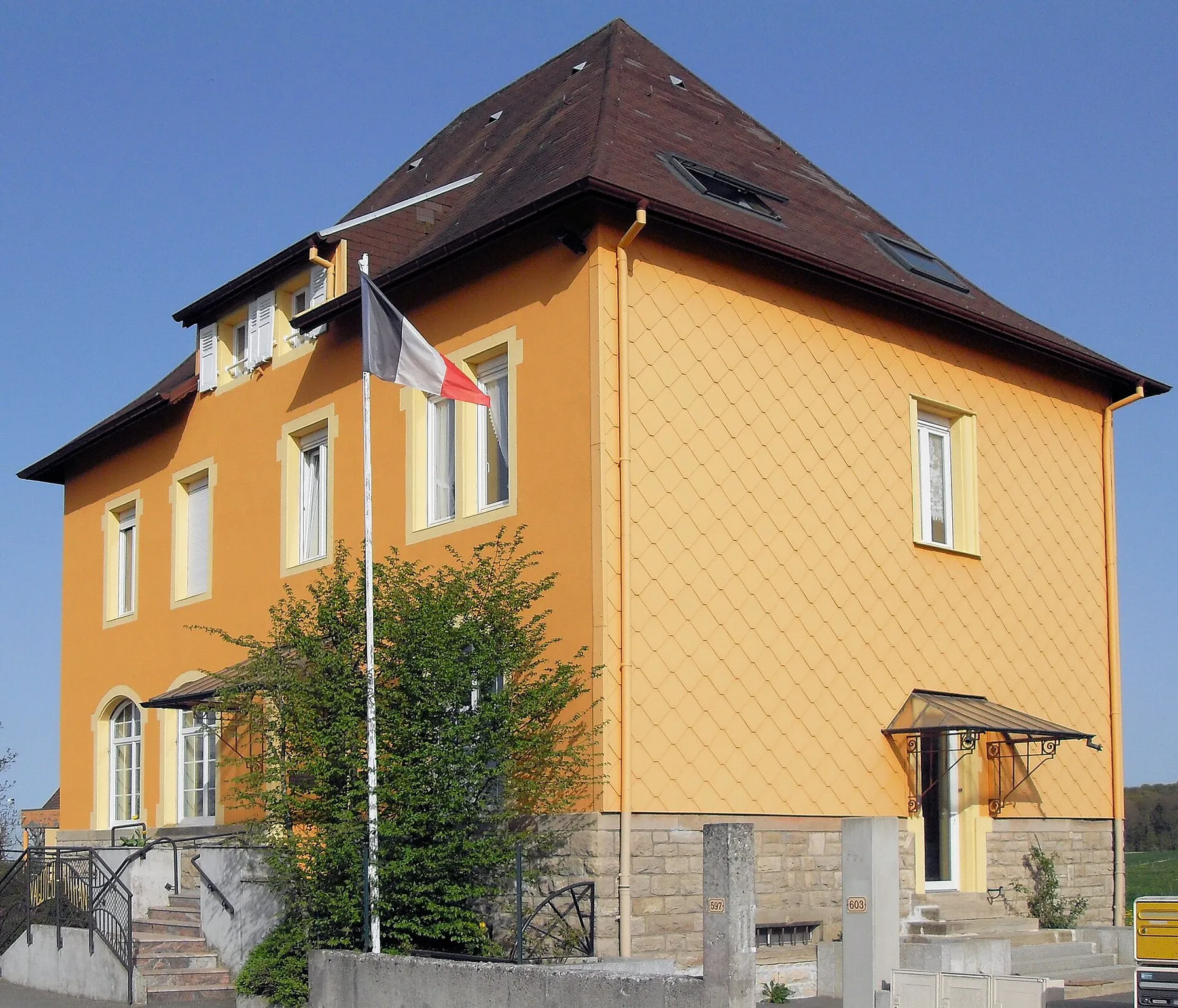 AireFee not stated
Grand Est · France
Checked Jun 18
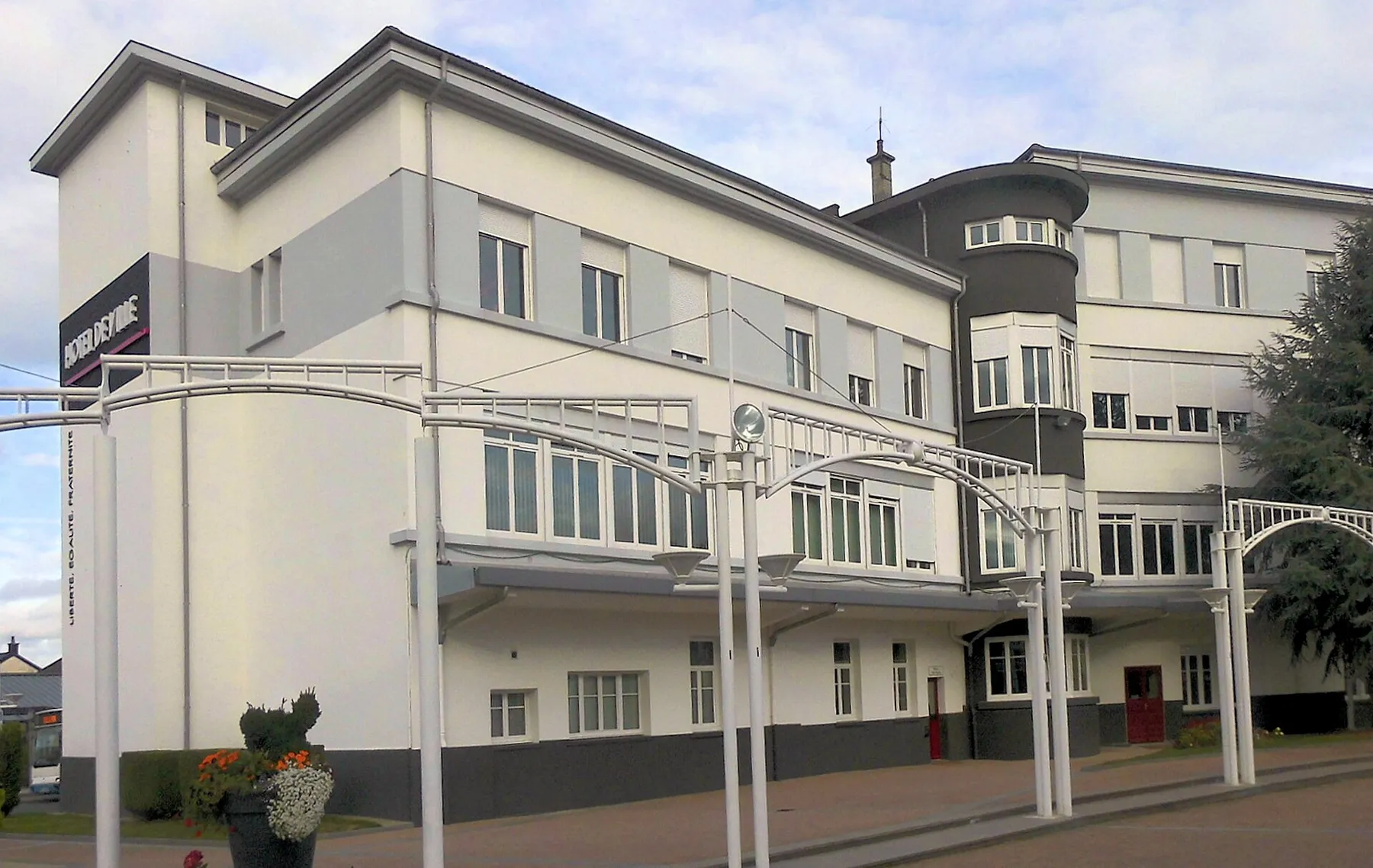 AireFee not stated
Grand Est · France
Checked Feb 11
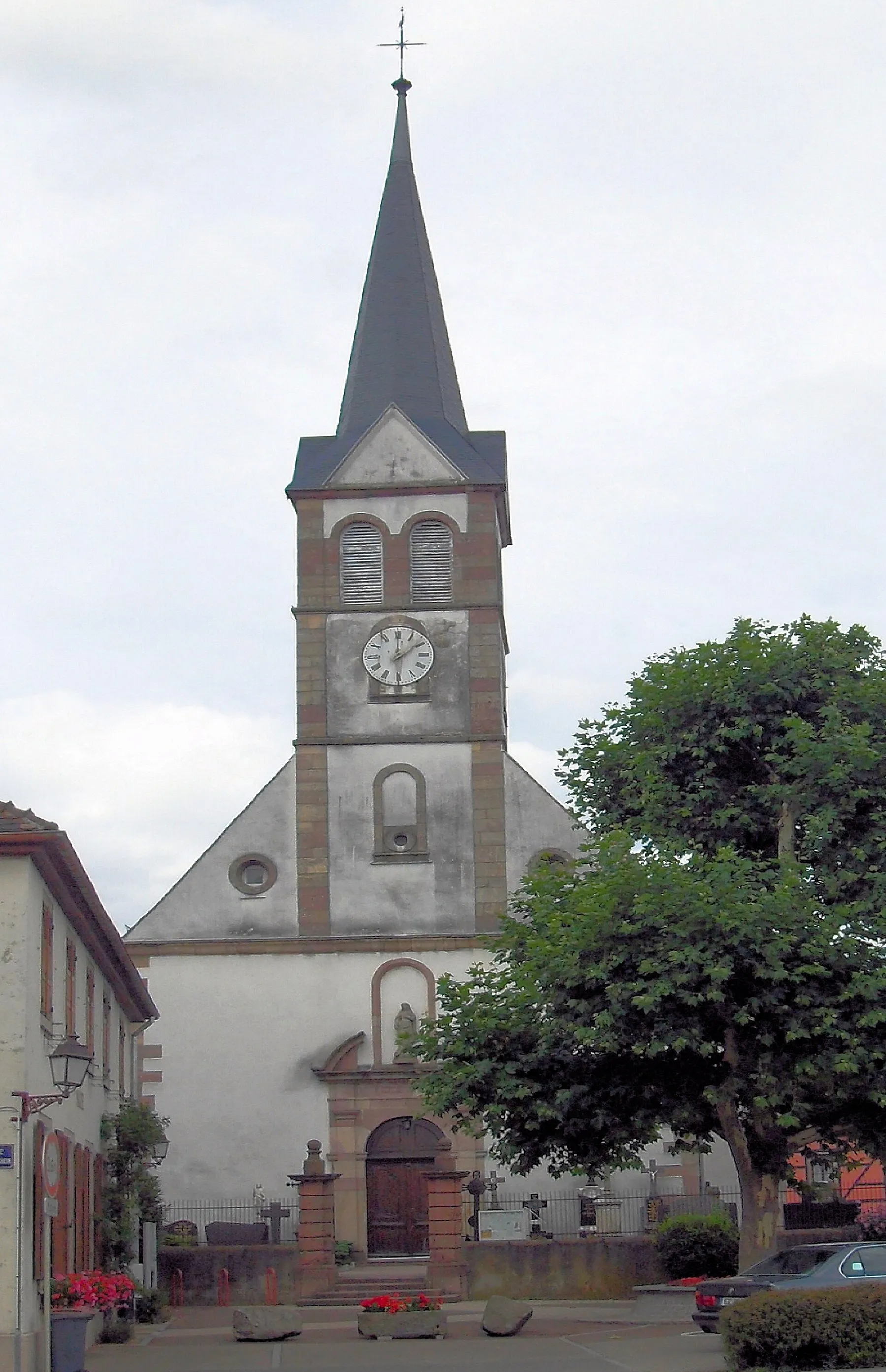 AireFee not stated
Grand Est · France
Checked Mar 26
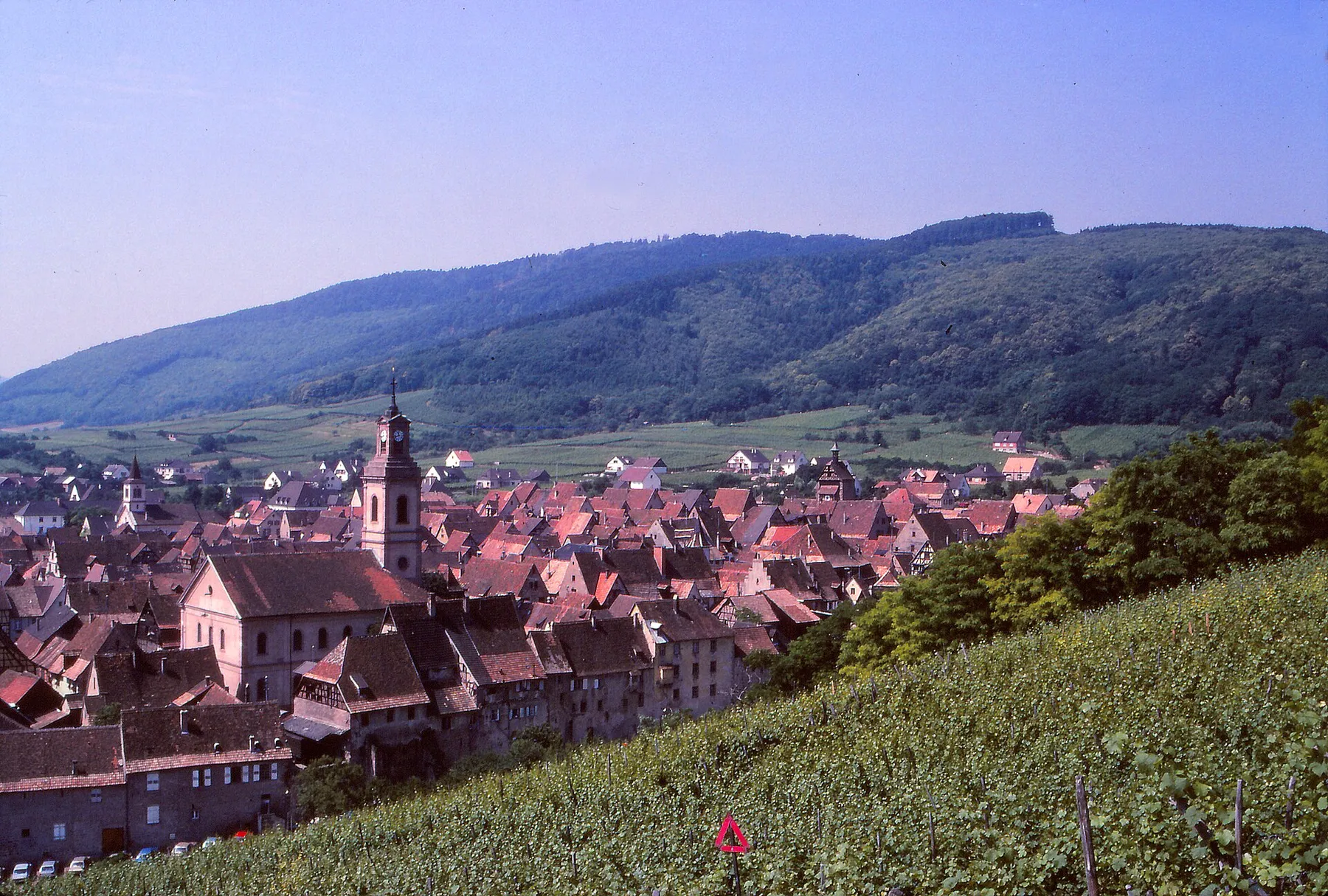 AireFee not stated
Grand Est · France
Checked Mar 4
AirePaid · 15 €/dayGrand Est · France
Checked Mar 9
 AireFee not stated
Grand Est · France
Checked Jul 4
 AireFee not stated
Grand Est · France
Checked Jul 4
 AireFee not stated
Grand Est · France
Checked Jan 6
 AirePaid · 10 €/night
Grand Est · France
Checked May 28
 AirePaid
Grand Est · France
Checked Jan 9
 AireFree
Grand Est · France
Checked Jan 9
03 · Before you go
What you are arriving at
In Grand Est a stopover here means an aire de services, a stopover designated by the commune. Usually a small marked car park with a service point for water and waste, signed from the road.
Fees
Free parking and free services are two different things. Where a place charges for water or power, its own page says so. Carry coins for the ones with no price posted.
Season
8 of these 284 stopovers publish opening hours. The rest do not. Where no season is published, treat the water as something to confirm rather than something to plan around, and arrive with a full tank in the cold months.
04 · The detail
Grand Est is three old regions stitched together, and it still travels like three. Alsace is the narrow strip between the Vosges and the Rhine, dense with villages and the busiest part for visitors. The Vosges are the mountains in the middle, rounded and forested rather than alpine. West of them, Lorraine and the Champagne plains open out into big agricultural country with long gaps between towns.
Four borders touch this region: Germany along the Rhine, Switzerland at the southern tip beyond Mulhouse, Luxembourg and Belgium in the north. That makes it the natural start or end of a trip that carries on into another country, and it means you should know each neighbor’s requirements before you get to the crossing.
Alsace is easy driving on good roads, but the villages are the catch: Riquewihr and its neighbors have narrow walled streets built long before motorhomes, and the sensible approach is to park outside and walk in. The A35 runs the length of the plain and takes the through traffic.
The Vosges are gentler than the Alps. The passes top out well below alpine heights and the gradients are manageable, but the roads are winding, wooded and slow, and the ridge road is exposed to weather. Budget more time than the distance suggests.
Lorraine and Champagne are the easy part. Straight roads, big fields, and towns far enough apart that you should plan your fuel and water stops rather than assume. The Champagne vineyard villages of the Montagne de Reims are the exception, tighter and busier than the plain around them.
The Vosges get real snow. High roads close, the ridge route is not a winter option, and a number of the mountain aires shut for the season or turn their water off so the pipes do not freeze. Some record their own dates: Oberbronn in the northern Vosges is tagged in OpenStreetMap as April to October, and the Libertium aire near Sélestat as early March to mid November. Those are contributor records rather than a timetable, so confirm with the commune before you plan a night around one.
Alsace has two peaks rather than one. Summer is the usual season, but the Christmas markets in Strasbourg, Colmar and the wine villages pull a large December crowd, and parking in those towns is under pressure then too. If you want the wine route quiet, come in May or late September.
Champagne’s own pressure point is the harvest. The vendange brings a large temporary workforce into the vineyard villages, and vineyard parking gets used for vineyard work. The one hard signal in the records is Buxeuil in the Aube, recorded as open October 1 to August 14, which leaves it closed from August 15 until the end of September.
178 free places are mapped across Grand Est. Treat the count as a floor rather than a total: a blank part of the map is unmapped rather than empty.
The pins are denser in Alsace than in Lorraine and the Ardennes, so plan a longer gap between stops once you head west. The Alsace, Vosges, Champagne, Aube, Haute-Marne, Meuse and Ardennes tourism boards all publish their own aire listings, which is the quickest way to fill a thin stretch. Where this comes from
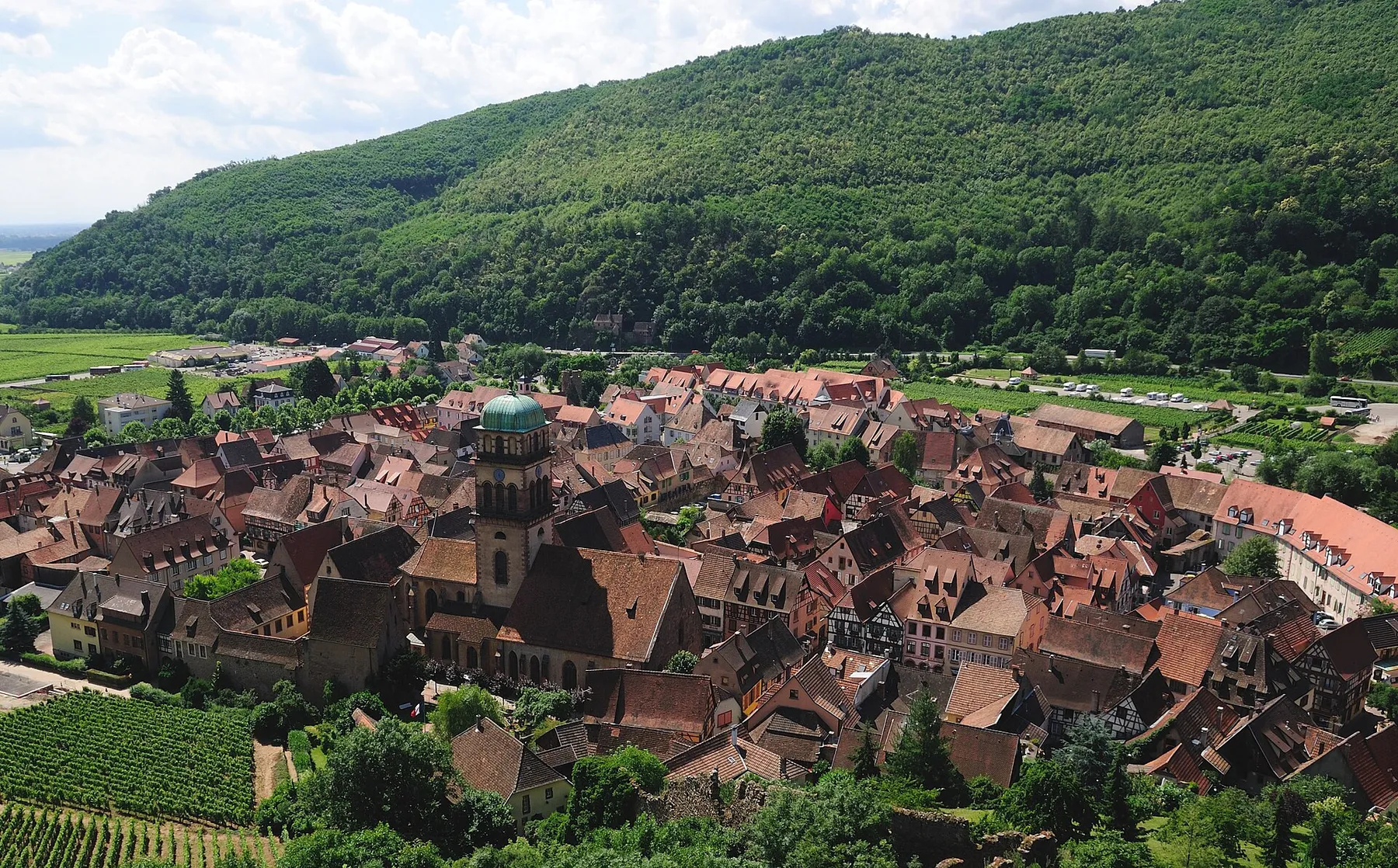
Alsace is the largest cluster and the easiest to travel. It runs the length of the wine route and the northern Vosges foothills: Soultz-sous-Forêts, Oberbronn, Pfaffenhoffen, Rosheim, Châtenois, Orschwihr, Soultzmatt, Murbach, Trois-Épis, Haguenau, Ferrette in the far south near the Swiss border, and Burnhaupt-le-Haut. A number of these are winery or hotel stopovers rather than communal aires, which is worth knowing before you arrive expecting a municipal car park.
Champagne is the second cluster, concentrated in the vineyard villages of the Montagne de Reims and the Aube. Mareuil-sur-Ay, Saint-Imoges, Chamery, Fère-Champenoise, Sézanne, Les Riceys, Buxeuil and Ervy-le-Châtel. Small, most of them 2 to 14 bays, and mostly a walk from a village center.
The Vosges massif carries a run of its own: Cornimont, Ventron, Le Thillot, Saint-Nabord, Val-et-Châtillon and Phalsbourg on the northern approach. These are the ones most affected by winter.
Lorraine, the Ardennes and the Haute-Marne are thinner but not empty. Verdun has an aire by the station, and there are others at Commercy, Revigny-sur-Ornain, Vouziers, Givet on the Belgian border, Montier-en-Der, Colombey-les-Deux-Églises and Hoste in the Moselle. Givet is the largest of them, with OpenStreetMap recording 25 bays.
The posted sign wins, and so does whatever the commune says today. Border regions add a second thing to check: if your route crosses into Germany, Belgium, Luxembourg or Switzerland, the tolls, vignettes, emissions rules and overnight-parking law all change at the line. Settle each of those before you reach the crossing. If you are in a tent rather than a vehicle, read the French bivouac rules before you plan anything.
The national picture is on the France country page, the term itself is explained in what an aire is, and you can place this region against the rest of the country on the France map.
05 · Frequently asked
It is the obvious one. The Rhine crossings at Strasbourg and Kehl put you straight into Baden and the Black Forest, and the German equivalent of the aire is the Stellplatz, which works the same way with different paperwork. Sort out any tolls, vignettes and low-emission-zone requirements before you cross rather than at the border, because they change at the line and a German Umweltzone will stop you at the edge of the city, not at the frontier.
Several are free to park on. A number of them are attached to a winery or a hotel rather than run by the commune, though, which is a different arrangement even when the night costs nothing: the expectation is usually that you are visiting the business. Work out which kind you are pulling into before you settle in, because a private owner can change the terms overnight in a way a commune usually cannot.
In season and in reasonable weather, the main Vosges ridge road is manageable for most vehicles, though it is slow and exposed. Winter is a different matter: sections of the high road close under snow, and the reopening date moves with the conditions. Check the current status with the département before you plan a route over the ridge rather than around it.
Vineyard villages get busy and some parking arrangements change for the vendange. The aire at Buxeuil in the Aube is recorded as open October 1 to August 14, so it shuts for the back half of August. That is one village rather than a regional rule, but it is the shape of the problem. If you are planning late August or September in Champagne, call the village ahead rather than counting on a bay when you arrive.
06 · Nearby