

Free camping in Denmark: the state shelter network, mapped
Denmark has 1,050 free places to sleep on this site, and the bulk of them are the state shelter network the country is known for. About half take walk-ups. The other half you book through Naturstyrelsen, which is the part visitors get caught out by.
01 · Map
Free stopovers in Denmark
Open any pin for its fee, its services and the date it was last checked. For wild camping, read the rules below rather than the map. Where this comes from
Open the full mapMapLibre GL · OpenFreeMap · loads on scroll
02 · Recently checked
Stopovers checked most recently
 CampingplatzFreeVorher reservieren
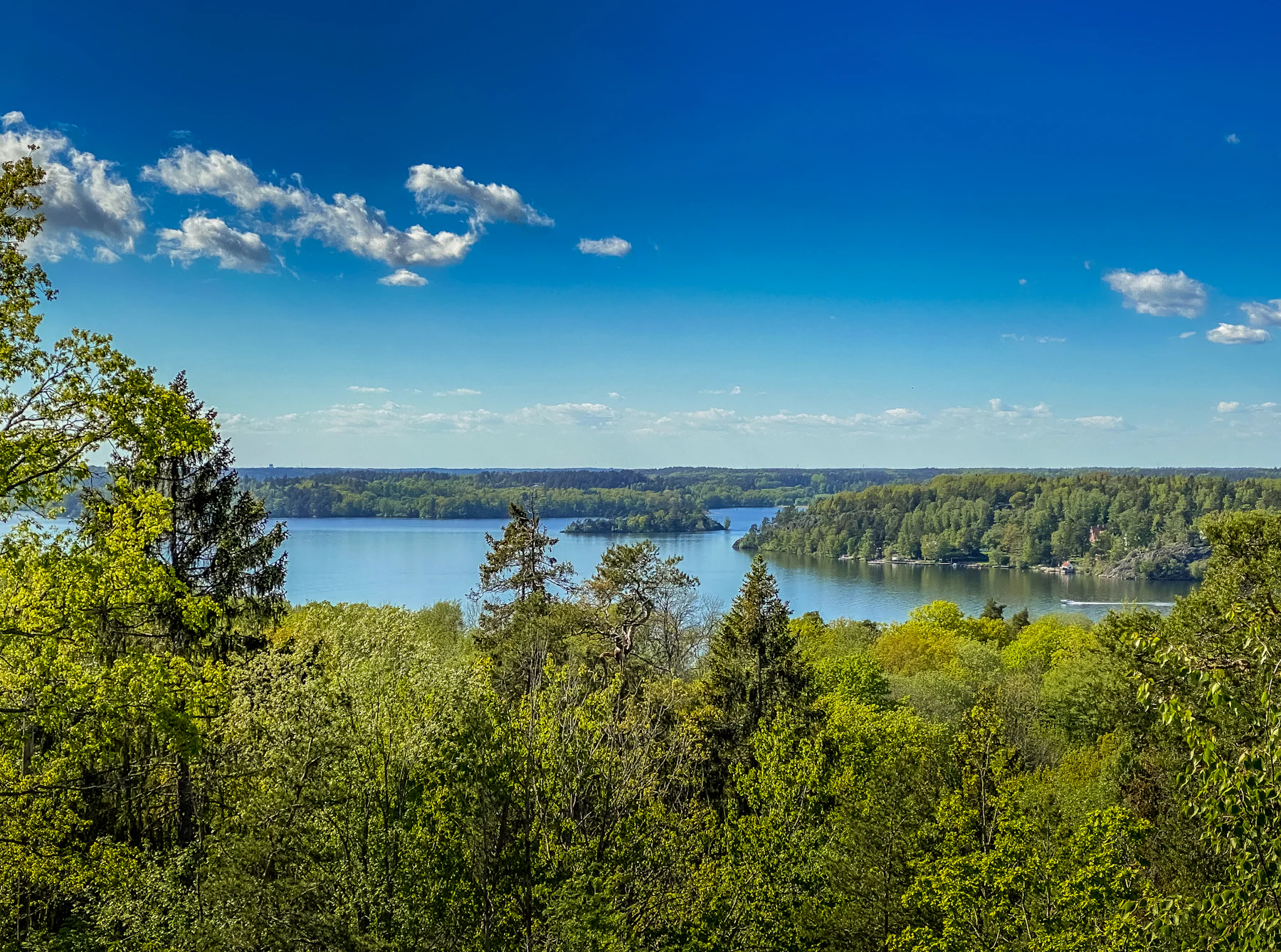
Åremyr
Capital Region of Denmark · N 55.12°
- TrinkwasserTrinkwasser: Bestätigt
- ToilettenToiletten: Nicht bestätigt, verlass dich nicht darauf
- DuschenDuschen: Nicht bestätigt, verlass dich nicht darauf
- StromStrom: Nicht bestätigt, verlass dich nicht darauf
- EntsorgungsstationEntsorgungsstation: Nicht bestätigt, verlass dich nicht darauf
Checked Jul 20
 ShelterFreeVorher reservieren
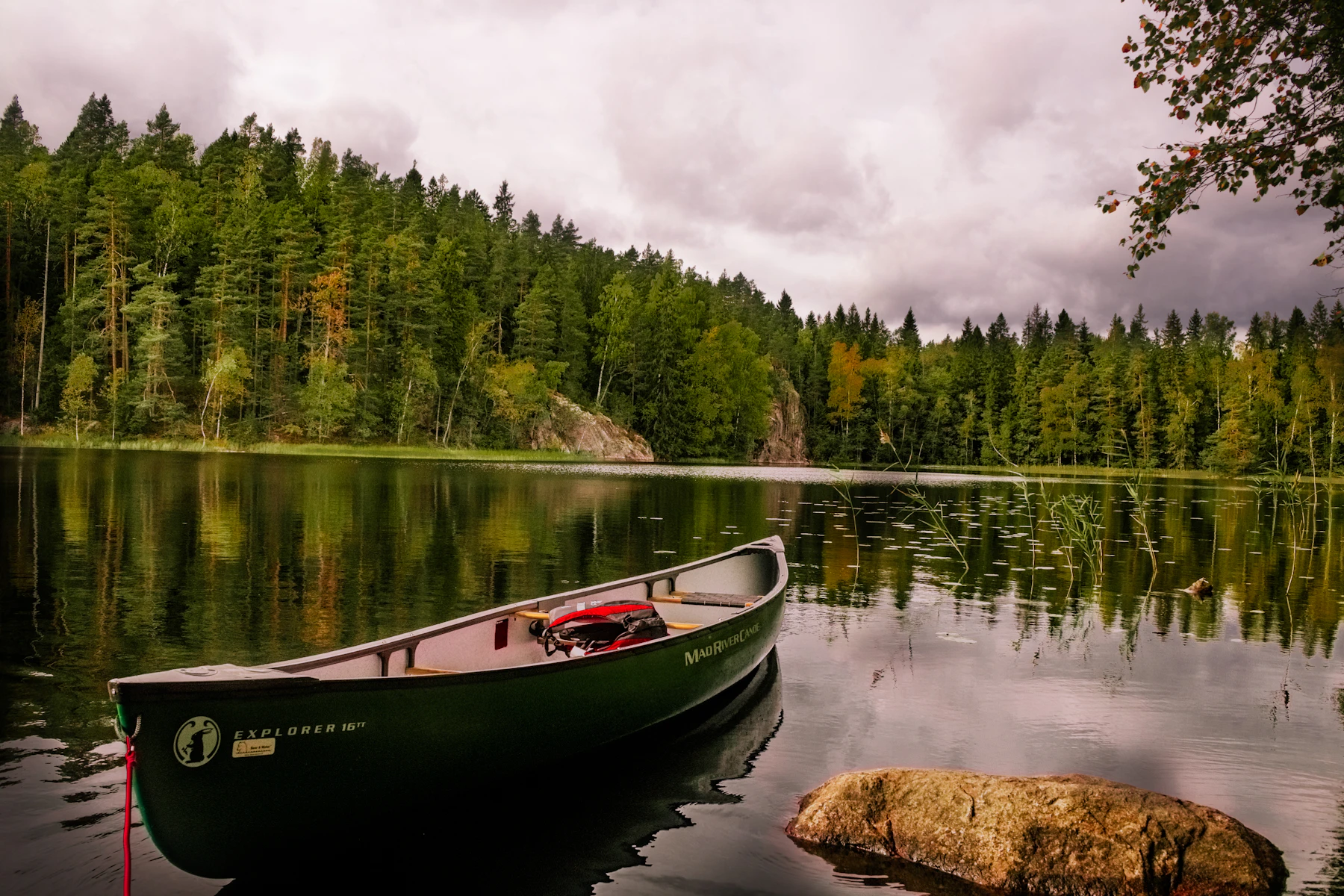
Åsevang, Shelterplads Nord
Capital Region of Denmark · N 55.78°
- TrinkwasserTrinkwasser: Nicht bestätigt, verlass dich nicht darauf
- ToilettenToiletten: Nicht bestätigt, verlass dich nicht darauf
- DuschenDuschen: Nicht bestätigt, verlass dich nicht darauf
- StromStrom: Nicht bestätigt, verlass dich nicht darauf
- EntsorgungsstationEntsorgungsstation: Nicht bestätigt, verlass dich nicht darauf
Checked Jul 20
ShelterFreeVorher reservierenÅsevang, Shelterplads Syd
Capital Region of Denmark · N 55.78°
- TrinkwasserTrinkwasser: Nicht bestätigt, verlass dich nicht darauf
- ToilettenToiletten: Nicht bestätigt, verlass dich nicht darauf
- DuschenDuschen: Nicht bestätigt, verlass dich nicht darauf
- StromStrom: Nicht bestätigt, verlass dich nicht darauf
- EntsorgungsstationEntsorgungsstation: Nicht bestätigt, verlass dich nicht darauf
Checked Jul 20
 ShelterFreeVorher reservieren
Alken og Ederfuglen shelters
Capital Region of Denmark · N 56.09°
- TrinkwasserTrinkwasser: Nicht vorhanden
- ToilettenToiletten: Nicht bestätigt, verlass dich nicht darauf
- DuschenDuschen: Nicht bestätigt, verlass dich nicht darauf
- StromStrom: Nicht bestätigt, verlass dich nicht darauf
- EntsorgungsstationEntsorgungsstation: Nicht bestätigt, verlass dich nicht darauf
Checked Jul 20
Most recently checked first, so the ones at the top are the least likely to have changed since.
03 · Regions · 5
By region
04 · Every place
All 1.050 places in Denmark
Capital Region of Denmark 219 places
- Aborren
- Alken og Ederfuglen shelters
- Alliken shelter (Ravnebakken)
- Anemonen og Skovsyren sheltere
- Åremyr
- Arresø Flydeshelter - Tilgængeligt uge 20-40
- Åsevang, Shelterplads Nord
- Åsevang, Shelterplads Syd
- Ask Yggdrasil shelter
- Bassebo primitive teltplads
- Bastemose
- Bastrupstien, shelter ved Bastrup Sø
- Baunet
- Bistrup Hegn, Birkerød
- Blishønen shelter
- Bøllemosen, Primitiv overnatningsplads
- Citron- og Perlemorsommerfuglen sheltere
- Dåhjorten
- Danstrup Hegn, Gydehusplads
- Edens Have i Hellebæk Skov
- Egebæksvang - Kystnær overnatningsplads
- Egernet og Flagermusen sheltere
- Ellesgård primitiv teltplads
- Ermelunden, Lejrplads
- Farum Sø, Landgangsstedet Bådhus
- Farum Sø, landgangsstedet Klavs Nar
- Farum Sø, landgangsstedet Lones minde
- Farum Sø, landgangsstedet Præsteskov
- Farum Sø, landgangsstedet Sækken
- Folehave, lejrplads
- Forårsferejen og Dagpåfugleøjen shelters
- Furesøen, landgangsstedet Åsevang
- Furesøen, landgangsstedet Dybendal
- Furesøen, landgangsstedet Fandens Mose
- Furesøen, landgangsstedet Under Broen
- Furesøen, landgangsstedet Von Langen
- Gammel Grønholt Vang, Grønholt Vang
- Ganløse Eged, Primitiv overnatningsplads ved Højerød Bakke
- Ganløse Ore, Favrbjerg
- Ganløse Ore, Krogemosen
- Ganløse Ore, Krogesø
- Geel Skov, Shelterplads ved Birkedalsvej
- Geelskov, Holtekollen, lejrplads
- Glas-& Gulålen
- Grævlingen shelter
- Gribskov, Bakkehus
- Gribskov, Bolandshus
- Gribskov, Bomvej
- Gribskov, Multebjerg Shelterplads
- Grønesse Skov lejrplads
- Grønfrøen Shelter
- Grønlien
- Gurre Sø, Lille Ø´s Krog
- Gurre Vang (v/sø), Pigernes Vadested,
- Hængekøjeplads 1
- Hængekøjeplads 2
- Hængekøjeplads 3
- Hængekøjeplads 4
- Hængekøjeplads 5
- Haletudsen shelter
- Hareskovene, Jonstrup Vang, lejrplads ved Vangehus
- Hareskovene, Jonstrup Vang, shelter i Ny Egebjergene
- Hareskovene, Kollekolle
- Hareskovene, lejrplads med shelter i Åsevang
- Havørnen Shelter
- Havtornen shelter
- Helledes Bakke - Snudebillen, Blomstertægen og Græshoppen sheltere
- Helledes Bakke Lejrplads
- Helledes Bakke Teltplads
- Hvepsevågen shelter
- Hvinanden shelter
- Jægersborg Hegn, Shelter "Den Hemmelige"
- Jægersborg Hegn, Terrassen, Shelter nærmest Bøllemosen
- Jægersborg Hegn, Terrassen, Shelter nærmest madpakkehuset
- Jonstrup Vang, Shelterplads ved Gedderygsmosen
- Jonstrup Vang, Shelterplads ved Skallemosen
- Jordbien og Buksebien Shelters
- Kalvebod Fælled, Birkedammen.
- Kalvebod Fælled, Fasanskoven, Lejrplads Sneppen med shelter
- Kalvebod Fælled, Fasanskoven, shelter ved Birkedammen
- Kalvebod Fælled, Fasanskoven, Sneppestien
- Kalvebod Fælled, Pinseskoven, Ålen shelter
- Kalvebod Fælled, Pinseskoven, Bekkasinen shelter
- Kalvebod Fælled, Pinseskoven, Lejrplads Viben
- Kalvebod Fælled, Pinseskoven, shelter nær Svenskeholmvej
- Kalvebod Fælled, Pinseskoven, shelter ved Ellevehøjevej
- Kalvebod Fælled, Pinseskoven, shelter ved Hejresøen
- Kalvebod Fælled, Pinseskoven, shelter ved Kanalvej
- Kalvebod Fælled, Pinseskoven, shelter ved Ottehøjevej
- Karpen shelter
- Kongelunden, Lejrplads Bjarkebo
- Kongelunden, Øst
- Kongelunden, Shelter Længestehøj
- Koralsvampen shelter
- Kragen shelter (Ravnebakken)
- Krogenlund, lejrplads ved Hetting Mose
- Kronhinden
- Kulsvierhytten i Aggebo og Græsted Hegn
- Kystshelter, Ginesminde
- Kystshelter, Hammerhavn
- Kystshelter, Røstad
- Kystshelter, Stammershalle
- Landgangssted med bålplads i Ryget Skov v. Farum Sø
- Lave Skov - Kystnær overnatningsplads
- Lejrplads Nordmandsskoven
- Lejrplads og madpakkehus ved Kridtbjerg, Vestskoven
- Lille Hareskov, lejrplads med shelter på Gisselfeldengen
- Lille Hareskov, lejrpladsen Gisselfeldengen
- Løjen
- Lystrup Skov, Lystrup Enge
- Midgårdsormen shelter
- Nakkehoved - Kystnær overnatningsplads
- Natuglen shelter
- Nexø Shelter og bålhytte
- Nordmansskoven
- Nordstjernen (bookbar)- Handicapvenligt shelter på Nordhus shelterplads
- Nørreskoven, Fiskebæk Naturskole
- Nørreskoven, Lejrpladsen Farum Sø
- Nyvang, lejrplads med 3 sheltere - kørestolstilgængelig
- Pilekæret
- Polaris - Handicapvenligt shelter på Nordhus shelterplads
- Primitiv overnatningsplads
- Primitiv overnatningsplads
- Primitiv overnatningsplads i Solhøj Fælled
- Primitiv overnatningsplads nær Ravnehusvej
- Primitiv overnatningsplads nær ved Bekkasinen lejrplads
- Primitiv overnatningsplads under Gedderygsmosen
- Primitiv overnatningsplads ved bålhytte i Bøndernes Hegn, Aldershvile
- Primitiv overnatningsplads ved bålplads, Bakkehus
- Primitiv overnatningsplads ved bålpladsen
- Primitiv overnatningsplads ved bålpladsen
- Primitiv overnatningsplads ved bålpladsen ved Tingstedet
- Primitiv overnatningsplads ved bålstederne ved Egebjergene
- Primitiv overnatningsplads ved Brænteljung
- Primitiv overnatningsplads ved Dyrebakken
- Primitiv overnatningsplads ved Dyrehusdal i Store Hareskov
- Primitiv overnatningsplads ved Klosterbakken
- Primitiv overnatningsplads ved Kollekolle-bålhuset
- Primitiv overnatningsplads ved Kratbjerg
- Primitiv overnatningsplads ved Rostadion, Bøndernes Hegn
- Primitiv overnatningsplads ved Skomagervej
- Primitiv overnatningsplads ved Sletten i Store Hareskov
- Primitiv overnatningsplads ved Søvej i Bøndernes Hegn
- Primitiv overnatningsplads ved Store Pustebakke
- Primitiv overnatningsplads ved Tyvekrogpladsen
- Primitive overnatningspladser ved de tre bålpladser nær Hareskov Station
- Råen Shelter
- Ræven shelter
- Ravnen shelter (Ravnebakken)
- Ravnereden i Grønholt Vang
- Ravnholm ved Mølleåen
- Ravnholm, 2 shelters ved Marens Hulvej
- Ravnsholt, lejrpladsen Mørkebakke
- Ravnsholt, shelter ved Kulster Bakke
- Ridderhatten, Skørhatten og Huesvampen shelter
- Rørhønen shelter
- Rude Skov, lejrplads Femsølyng
- Rude Skov, Shelter Ebberøddam
- Rude Skov, Shelters Store Stubbesø
- Rude Skov, Varmingsvej
- Rudeskov, Løjesø
- Rygård Overdrev, shelter ved Oksemosen
- Ryget Skov, shelter ved Farum sø
- Salenebugten
- Shelter Arnager
- Shelter Hasle Lystskov.
- Shelter i Krogerup Skovene
- Shelter i Ringebakkerne
- Shelter Lindesbjerg
- Shelter, Blå Port
- Shelter, Naturcenter Auderød Havn
- Shelteren ved Nyruphus, Nyrup Hegn
- Shelterplads Finnedalen
- Shelterplads i Hareløkkerne
- Shelterplads tæt ved Ørninge mose
- Shelterplads ved Vallensbæk Sø
- Sjælsølund, shelter
- Skarven shelter
- Skøjteløberen Shelterplads
- Skovmusen og Stilk-egen sheltere
- Skovskaden og Bogfinken sheltere
- Skydestedet, Kongelunden
- Slagslunde Skov, shelterplads med to shelters
- Solduggen Shelter
- Søllerød Kirkeskov primitiv overnatningsplads ved Indre Sø
- Søllerød Kirkeskov, Shelter ved Kalvemosen
- Sose
- Sose Odde
- Søskoven, Graverhus
- Sperrestrup Skov, overnatningsplads
- Sperrestrup Skov, shelter til 5-6 personer
- Stampemarken, Shelter med plads til 5-6
- Store Hareskov, Lejrplads nær Hareskov Station
- Strandmølle kajakplads
- Strandmølle Strand, shelter
- Strandmøllepladsen, lejrplads
- Strandmøllepladsen, shelter nr. 1 med plads til 5-6
- Strandmøllepladsen, shelter nr. 2 med plads til 5-6
- Struckmannparken kajakplads
- Svenskeholmen. Sneppestien
- Tanghytten - Shelter i Blykobbe Plantage
- Teltplads, Nordmandsskoven
- Teltplads, Nordmansskoven
- Teltplads, Nordmansskoven
- Tornskaden shelter
- Tørvehussletten
- Troldanden shelter
- Tumlinge Vang Nord teltplads
- Uggeløse Skov - Syd, shelter ved Bøllemosen
- Uggeløse Skov nord, shelter
- Vandkalven Shelterplads i Tisvilde Hegn
- Vandnymfen shelter ved Auderød Havn
- Vandsalamanderen Shelter
- Vestskoven, lejrplads med shelter ved Tusculanum
- Vestskoven, lejrplads med shelters ved Lindegårdsladen
- Vestskoven, shelter Lundshede
- Vestskoven, shelter ved Bymosevej
- Vestskoven, shelter ved Mønterne
- Vikingehytten
Central Denmark Region 332 places
- Ahl Hage
- Aktivitetsgården, Feldborgvej, Aulum
- Alhedestien Shelter
- Arnborg Hedegaard
- Arnborg Shelterplads
- Bakkegården shelterplads
- Bål- og hængekøjeplads i Mollerup Skov
- Bål- og hængekøjeplads Kimbrerdalen i Lisbjerg
- Bål- og hængekøjeplads på Mariendal Strand
- Bisgårdskoven shelter
- Børneskoven i Klejtrup
- Brædstrup Aktivitetsparks shelters
- Brasenkas shelterplads
- Brigsted Shelterplads
- Brigsted teltplads
- Brombærheksens hus
- Bryrupbanen, Vrads Station, shelter 1
- Bryrupbanen, Vrads Station, shelter 3
- Bryrupbanestien, Lundum (shelter 1)
- Bryrupbanestien, Lundum (shelter 2)
- Bur Bro
- Bur Bro kanoplads - Shelter 1
- Bur Bro kanoplads - Shelter 2
- De Små Fisk
- Den gamle grusgrav, Nørlund Plantage - shelter 1
- Egebjerg/Hansted Sø Shelters
- Engelstør
- Fjaltring, Høfde Q - Shelter 1
- Fjaltring, Høfde Q - Shelter 2
- Fladbroskov Shelterplads
- Floes Skov Teltplads.
- Fugletårn med shelter i Klosterheden Plantage
- Fur, Shelterplads på Nordfur
- Fyrrevej 230, 6990 Ulfborg
- Gludsted Plantage, Den Skæve Bane - shelter 1
- Gludsted Plantage, Den Skæve Bane - shelter 2
- Gludsted Plantage, shelterplads ved Trotylsøen (shelter 1)
- Gødstrup Sø Shelterplads
- Gørding fugletårn med shelter
- Grund Skov Shelter 1
- Grund Skov Shelter 2
- Gudumkær plantage shelterplads
- Hampknold i Sminge Plantage
- Harre Vig - Rævehøjvej
- Havbjerg Skov, Shelterplads
- Hedensted Søerne
- Hinge søbad
- Hinge søbad
- Hjermind Skov Shelter
- Hodsager plantage
- Hodsager, Kanoplads
- Hølken strand lejrplads
- Holtbjerg shelterplads
- Hørbylunde shelterplads (shelter 1)
- Hostrup Strand
- Hovedgård Lokalråds shelter
- Hoverdal Plantage, Sørup Lejrplads
- Husby shelterplads - Shelter 1
- Husby shelterplads - Shelter 2
- Husby shelterplads - shelter 3
- Husby shelterplads - shelter 4
- Hvinningdal grusgrav
- Illerup Ådal shelter
- Jenle, Kajakovernatningsplads
- Jeppes Led primitiv overnatningsplads
- Johannesberg Overnatningsplads
- Jomfruhale shelterplads
- Julsø teltplads
- Junges Plantage shelterplads og shelterhytter
- Kallehave , syd for gl Rye
- Kalø Hovedgård - shelter nr. 1 (bookbar)
- Kalø Hovedgård - shelter nr. 2 (bookbar)
- Kanolejrplads Yllebjerg
- Kernen Shelterplads
- Klintholm ved Hammel
- Kloster Havn - Shelter 1
- Kloster Havn - Shelter 2
- Kloster Havn - Shelter 3
- Klosterheden, Hornet - Shelter 1
- Klosterheden, Hornet - Shelter 2
- Klosterheden, Hornet - Shelter 3
- Klosterheden, Lavvu
- Klosterheden, Moselyst
- Klosterheden, Skibakken
- Klostermarken shelter (bookbar)
- Klostermølle Teltplads
- Knøsen
- Kølkær shelterplads
- Koutrup Skov Shelter 1
- Koutrup Skov Shelter 2
- Koutrupgård Shelterplads
- Kytterup Havn
- Kytterup Havn - shelter 1
- Kytterup Havn - shelter 2
- Lejrplads Årslev (Alling Å) - Shelter nr. 1 (Bookbar)
- Lejrplads Gammel Almind
- Lejrplads Kjællinghøl - teltplads
- Lejrplads Nørreå - shelter nr. 1 (Bookbar)
- Lejrplads Ørnbjerg Mølle - shelter nr. 1 (bookbar)
- Lejrplads Randers Nordre Fælled - shelter nr. 1 (bookbar)
- Lejrplads Randers Nørreskov - shelter nr. 1 (bookbar)
- Lejrplads Sjørup Skov - shelter nr. 1 (bookbar)
- Lejrplads Stendal Plantage - Shelter nr. 1
- Lejrplads Stendal Plantage - Shelter nr. 2
- Lejrplads Stendal Plantage - Shelter nr. 5
- Lejrplads Stubbe Sø - shelter nr. 1 (bookbar)
- Lejrplads ved Naturcenter Harrild Hede
- Lille Lejrplads i Inderø Skov ved Hald Sø
- Lille Lejrplads i Lille Traneskov
- Lille Lejrplads Indskovene
- Lille lejrplads Kalø Vig
- Lille lejrplads Knebel Plantage
- Løvbakkerne shelterplads
- Løvbakkerne shelterplads
- Lundagergård Shelterplads - shelter 1
- Lundagergård Shelterplads - shelter 2
- Lundø, Jelse Odde, Kajaklejrplads vest
- Lunevig bakker ved Skjern Å, FRI
- Lunevig Bakker ved Skjern Å, shelter 1
- Lyby Naturlejrplads
- Lystbæk Lejrplads
- Mariedal , lille lejrplads
- Møgelhøj/Møllehøj
- Mogenstrup Strand
- Naur Kanoplads - shelter 1
- Naur Kanoplads - shelter 2
- Nordskov, Korsdalshus pladsen
- Nørkærbro - Shelter 3
- Nørlund Plantage, primitiv overnatningsplads Nørlund
- Nybro kanoplads
- Nybro, Herning
- Nyløkke shelterplads (shelter 1)
- Nyløkke shelterplads (shelter 2)
- Nyløkke shelterplads (shelter 3)
- Nyløkke shelterplads (shelter 4)
- Nymølle
- Nymølle
- Odby overnatningsplads
- Ølgryde Shelterplads - Shelter 1
- Ølgryde Shelterplads - Shelter 2
- Ørkenarboretet 1
- Ørkenarboretet FRI
- Ormstrup shelterplads
- Østerskov ved Midtvej
- Østre Gåsekær
- Overnatningsplads, Arena Midt
- Palsgård Skov, primitiv overnatningsplads nær Torup sø
- Præstbjerg Naturcenter
- Primitiv lejrplads ved banedammen
- Primitiv overnatning i Løvbakke Skov
- Primitiv overnatningsplads
- Primitiv overnatningsplads med shelter ved Urhanevej i Kompedal Plantage
- Primitiv overnatningsplads nær Harrild Hede
- Primitiv overnatningsplads nær Harrild Hede
- Primitiv overnatningsplads nær Harrild Hede
- Primitiv overnatningsplads syd for Engesvangsvej nær Hærvejen
- Primitiv overnatningsplads ved Christianshøj
- Primitiv overnatningsplads ved Dværgebakken
- Primitiv overnatningsplads ved Lille Amerika
- Primitiv overnatningsplads ved Skeldalen
- Primitiv overnatningsplads ved Skorup
- Pumpestation Nord, shelter 1
- Resenborg Plantage, Resenborg
- Rold Skov Shelter
- Rønbjerg Plantage
- Samsø "Vestballe" shelterplads
- Samsø, lille lejrplads i Nordby Bakker
- Sandhøj shelterplads, True Skov
- Sebberup Skov Shelter
- Shelter 1 - Heager Å - Følling Bæk
- Shelter 1 Bork Vikingehavn
- Shelter 1 Lyngvig havn
- Shelter 1 Mamrelund
- Shelter 1 Skovbrynet Momhøje
- Shelter 1 Skrænten Momhøje
- Shelter 1 Stauning Havn
- Shelter 1 Venner Å
- Shelter 1 Vonå Ringkøbing
- Shelter 2 - Heager Å - Følling Bæk
- Shelter 2 Bork Vikingehavn
- Shelter 2 Lyngvig Havn
- Shelter 2 Mamrelund Hvide Sande
- Shelter 2 Skovbrynet Momhøje
- Shelter 2 Skrænten Momhøje
- Shelter 2 Stauning Havn
- Shelter 2 Venner Å
- Shelter 2 Vonå Ringkøbing
- Shelter 3 Bork Vikingehavn
- Shelter 3 Lyngvig Havn
- Shelter 3 Mamrelund Hvide Sande
- Shelter 3 Skovbrynet Momhøje
- Shelter 3 Skrænten Momhøje
- Shelter 3 Venner Å
- Shelter 3 Vonå Ringkøbing
- Shelter 4 Skovbrynet Momhøje
- Shelter 4 Skrænten Momhøje
- Shelter Alrum Strand
- Shelter Ejstrup Søerne
- Shelter i Brendstrup Skov
- Shelter i Gellerup Skov
- Shelter i Hørhaven i skoven
- Shelter i Hørhaven på bakken
- Shelter i Hvinningdal Skov
- Shelter i Lisbjerg gammel skov
- Shelter i Moesgård Skov
- Shelter i Mollerup Skov
- Shelter i True Skov
- Shelter på Vestereng
- Shelter Skrænten Momhøje
- Shelter Solbjerg Skov
- Shelter v/Thyborøn Kanal
- Shelter ved Hampen Sø
- Shelter ved Husby Badesø - shelter 1
- Shelter ved Kybehuse
- Shelter ved Mariendal Strand
- Shelter ved Moesgård Strand
- Shelter ved Østre Gåsekær
- Shelter ved Rønbæksøen
- Shelter ved Salling Natursti
- Shelterpalds i Møborg Skov
- Shelterplads Albæk Landkanal
- Shelterplads Damagre, Fussingø - shelter nr. 1 (bookbar)
- Shelterplads Damagre, Fussingø - shelter nr. 2 (bookbar)
- Shelterplads Damagre, Fussingø - shelter nr. 3 (bookbar)
- Shelterplads Damagre, Fussingø - shelter nr. 4 (ikke bookbar)
- Shelterplads Fruerhøj ved Gammel Landevej
- Shelterplads Harrild Hede (shelter 1)
- Shelterplads Himmerig Skov - shelter nr. 1 (bookbar)
- Shelterplads Hyllested Bjerge - shelter nr. 1 (bookbar)
- Shelterplads Hyllested Bjerge - shelter nr. 2 (ikke bookbar)
- Shelterplads i Åbo Skov
- Shelterplads i Feldborg Nørreskov
- Shelterplads i Himmerig Skov - shelter nr. 2 (ikke bookbar)
- Shelterplads i Knebel Plantage - shelter nr. 3 (bookbar)
- Shelterplads i Knebel Plantage - shelter nr. 4 (ikke bookbar)
- Shelterplads i Lisbjerg ny skov - fem stk.
- Shelterplads i Løvbakkerne - shelter 1
- Shelterplads i Løvbakkerne - shelter 2
- Shelterplads i Sinding kommuneplantage
- Shelterplads i Skablund Skov, shelter 2
- Shelterplads i Stavtrup
- Shelterplads i Tranbjerg Skov
- Shelterplads i Vindum Skov - Shelter nr. 1 (bookbar)
- Shelterplads Lykkeshøjskov
- Shelterplads v. Staldhøjevej - Shelter 2
- Shelterplads v/Staldhøjevej - Shelter 3
- Shelterplads v/Staldhøjevej - Shelter nr. 1
- Shelterplads ved Egå Engsø - to sheltere (IV og V)
- Shelterplads ved Egå Engsø - tre sheltere (I, II og III)
- Shelterplads ved Fjordvej
- Shelterplads ved Haunstrup Brunkulslejer - shelter 1
- Shelterplads ved Haunstrup Brunkulslejer - shelter 2
- Shelterplads ved Kældermosen, Hampen sø
- Shelterplads ved Skjern Å, Sdr. Felding
- Shelterplads ved Spidsbjergvej - shelter 1
- Shelterplads ved Spidsbjergvej - shelter 2
- Shelterplads ved Spidsbjergvej - shelter 3
- Shelterplads ved Tinkerdal besøgssted - shelter 1
- Shelterplads ved Tinkerdal besøgssted - shelter 2
- Shelterplads Vindum Skov - Shelter nr. 2 (ikke bookbar)
- Shelterplads, Hoverdal Plantage
- Shelterpladsen ved Høgdal (shelter 1)
- Shelters på Dannebrogpladsen
- Shelters Rygårde Strand
- Shelters v/Tustrup Oldtidsminder
- Shelters ved Enslevgård
- Shelters ved Hostrup Hovedgård
- Shelters ved Julsø
- Skablund Skov, primitiv teltplads
- Skalstrup Skov, Shelterplads
- Skanderborg Fælled
- Skånsø
- Skarrild Shelterplads
- Skibakken
- Skovgård Shelterplads
- Skovlund Shelterplads - shelter 1
- Skovlund Shelterplads - shelter 2
- Skovlund Shelterplads - shelter 3
- Skovlund Shelterplads - shelter 4
- Sletterhage
- Slettervang - shelter nr. 4
- Sminge kanoteltplads
- Sminge Sø
- Søby Brunkulslejer, Langesø
- Søby shelterplads - Shelter 1
- Søby shelterplads - Shelter 2
- Søndergade, Sdr. Felding
- Sørvad, Naturcirklen Shelterplads
- Stadil Fjord, Røjklit Havn shelterplads - Shelter 1
- Stadil Fjord, Røjklit Havn shelterplads - Shelter 2
- Stadil Fjord, Røjklit Havn shelterplads - Shelter 3
- Stagsrode Skov - Randskov Lejrplads
- Staksrode Skov Shelter
- Staksrode Skov Teltplads
- Stalden på Ørre hede
- Stensbæk/Dolmosen
- Stjærskolens shelterplads og bålhytte
- Stor lejrplads ved Dragsmur, Helgenæs
- Stor lejrplads ved Kalø Vig, Hestehave Skov
- Strandkær Strand - Shelter (bookbar)
- Strandkær Strand - Shelter Hemsen (ikke-bookbar)
- Stråsø Plantage, Ulborggård Lejrplads
- Sunds plantage shelterplads
- Svanholm Sø Shelterplads
- Telt- og shelterplads ved Ans Søbred
- Teltplads i Skablund skov, Skablundhuspladsen
- Teltplads Slettervang
- Teltplads ved Fruerhøj
- Thyholm, Plethøj Plantage
- Tinkerdal Shelterplads
- Tønballe Shelterplads
- Tønballe Skov Teltplads
- Tøvtløs Banke
- Trædesten Pumpestation Nord, FRI
- Trædestenen, Tirsbjerg festplads
- Tremosegård - shelter nr. 1 (bookbar)
- Tunø Nordstrand, grillhytte og shelters
- Tunø Nordstrand, spejderpladsen
- Tvis Å Kanoplads
- Tvis Mølle Naturlaboratorie - Shelter 1
- Tvis Mølle Naturlaboratorie - Shelter 2
- Tvis Mølle Naturlaboratorie - shelter 3
- Tvis Mølle Naturlaboratorie - shelter 4
- Tvis Mølle Naturlaboratorie - shelter 5
- Uldum Kær - Primitiv overnatningsplads
- Ulfborg shelterplads - shelter 1
- Ulfborg shelterplads - shelter 2
- Ulfborg shelterplads - shelter 3
- Vadum
- Velling skov, Hundsø plads
- Vesterskov, Jenskær pladsen
- Vinderup Skov shelterplads
North Denmark Region 149 places
- Aaby Skoven - bookbart shelter "Stenalderly"
- Aabyskoven - primitiv overnatningsplads
- Aars Skov - Lejrplads
- Aggersund broen, Shelterplads
- Ålbæk Klitplantage - Røde Bro
- Ålbæk Klitplantage - shelter ved riderute og vandrerute
- Banestien - Komdrup
- Bavn
- Biersted Skov - overnatningsplads med sheltere og plads til telte
- Bjergbanestien, Tostrup
- Bjørnager primitiv overnatningsplads
- Blokhus Klitplantage - lejrplads Th. Henriksens Vej
- Blokhus Klitplantage - overnatningsplads ved Brede Vej
- Bunken Klitplantage - Bamsepladsen
- Bunken Klitplantage - primitiv overnatningsplads med 2 sheltere
- De Himmerlandske Heder, Shelterplads
- Drastrup Skov, Primitiv overnatningsplads Gl. Nibe
- Egholm
- Elling Plantage
- Fårdam Sande
- Gå-Nu-Nat shelter
- Gedsted skole
- Geotopen - Slettingen primitiv overnatningsplads
- Geotopen Slettingen - bookbart shelter Engelsød
- Geotopen Slettingen, Guldblomme bookbart shelter
- Granly
- Halkær Voldsted, Shelterplads
- Hammer Bakker - Storemosevej 70, 9310 Vodskov
- Hammer Bakker, Gennem Bakkerne 50E, 9310 Vodskov
- Hammershøj - Østerby, shelters
- Handikapegnet shelter - Lodbjerg Fyr
- Hasseris Skov - Nord
- Hasseris Skov - Syd
- Hawskoven 1
- Hesteskoen
- Horsdalen
- Hou Havn
- Hvidbjerg Shelter(kan bookes)
- Hvidbjerg shelter(kan ikke bookes)
- Jamborettepladsen Shelterplads
- Jamborettepladsen shelterplads, Shelter 1
- Janum Kjøt
- Jenle Plantage, shelter
- Jenle Plantage, shelter 1
- Jerup Shelter
- Juelstrup Sø
- Kajholm - primitiv telt- og shelterplads
- Klepholm Naturbase
- Klov Bakker
- Knivholt Hovedgård shelterplads
- Kollerup
- Krægpøt
- Læsø Klitplantage - Badesøen shelter
- Læsø Klitplantage - Birkelunden lejrplads
- Læsø Klitplantage - overnatningsplads Himmerigsvej
- Langdal
- Lejrplads Svinkløv
- Lejrplads ved Hornum Sø
- Lild
- Lindholm Fjordpark
- Lundby Krat
- Madsbøl
- Madsbøl shelter
- Mikkels Hus
- Mosbjerg - shelter ved Landbrugsmuseet og Naturpark Tolne-stien
- Mosely, Shelterplads
- Myrhøj, Shelterplads
- Naturbase ved Rosenparken i Aalestrup
- Naturbasen Louns, Shelterplads
- Naturbasen Uhrehøje, Shelterplads
- Naturlejrplads ved Astrup
- Nørholm _Landingsplads
- Nørkærsvej
- Nørklit shelter 1
- Nybæk Plantage - overnatningsplads med sheltere
- Oasen - V. Hjermitslev
- Præstens Plantage Kajakplads, primitiv overnatning
- Rold Skov Stendalen
- Rold Skov, Bjergeskov, primitiv overnatningsplads
- Rold Skov, Flyverplads, primitiv overnatningsplads
- Rold Skov, Jamborettepladsen 1
- Rold Skov, Jamborettepladsen 2
- Rold Skov, Jamborettepladsen 4
- Rold Skov, Klodholm, lejrplads
- Rold Skov, shelterplads ved Mosskovpavillonen - Shelter nr. 1
- Rold Skov, Shelterplads ved Mosskovpavillonen - skal ikke bookes
- Rold Skov, Stendalen shelter 1
- Rold Skov, Urskoven
- Rold Skov, Urskoven, primitiv overnatningsplads
- Rold Skov, Urskoven, shelter 1 - kan bookes
- Sårup
- Sdr. Nyland - primitiv overnatningsplads
- Sdr. Nyland - tangtag shelter på lille teltplads
- Shelter
- Shelter, Klim Bjerg
- Sheltere Professorens plantage
- Shelterplads Gjøl Bjerg
- Shelterplads på Haverslev Havn
- Shelterplads Ydby Skov
- Shelters ved Valsgård Skole
- Skagen Klitplantage - Hulsigstien shelter
- Skagen Klitplantage - lille teltplads ved Pælebakke Klit
- Skarregaard
- Skeelslund
- Skipper Klement Plads, Ryå
- Skiveren
- Skørbæk Gadekær
- Slangemarken
- Slettingen shelters
- Slotved Skov - shelter
- Søerne i Nørklit
- Søheden Skov - bookbart shelter "Egernbo"
- Søheden Skov - primitiv shelterplads
- Stae
- Staun Havn
- Stenbjerg
- Teglværkssøerne - Gandrup
- Teltplads ved Hornum Sø
- Teltplads ved Klepholm Naturbase
- Tømmerby 100 Skoven
- Tornby Klitplantage - Lejrpladsen
- Tornby Klitplantage - primitiv shelterplads
- Tranum Klitplantage - Ajs Holes Plads
- Tranum Skole
- Trøjborg
- Trøjborg shelterplads
- Troldsting
- Troldsting shelter 2
- Tved
- Tversted Klitplantage - det hemmelige shelter
- Tversted Klitplantage - Lejrpladsen Dybe rende
- Tversted Plantage - Chr. Skovs vej
- Tversted Plantage - Østerklit telt og shelterplads
- Tvorup Øst
- Tvorup vest
- Tvorup Vest
- Tvorup vest shelterplads
- Uggerby Klitplantage - Lejrpladsen Strandvejen
- Uggerby Klitplantage - primitiv overnatningsplads
- Ultvedsøerne, Tylstrup
- Vester Aslund Plantage
- Vester Ørbæk, Shelterplads
- Vester Torup
- Vildmosecenteret
- Vilsted Sø, Holmen
- Vilsted Sø, Ranum Søhus
- Vilsted Sø, Shelterplads ved Ranum Søhus
- Vilsted Sø, Shelterplads Vilsted
- Vokslev Kalkgrav, primitiv overnatningsplads
Region of Southern Denmark 232 places
- Aabenraaskovene, Jørgensgård skov
- Aabenraaskovene, Sønderskoven, Von Bergens Plads
- Als, Arnkil
- Als, Augustenborg Skov
- Als, Nørreskoven, Noldes Plads
- Als, Nørreskoven, Taksensandpladsen
- Als, Sønderskoven
- Alsstien v. Solbækvej, Mjels Mark
- Annedals Bjerge shelter
- Annesdalbjerge, shelter 1
- Arnkil Skov - Mini Shelter "Blisgåsen"
- Arrild Shelteret shelter 1
- Arrild Shelteret shelter 2
- Ballesbækgård shelterplads
- Ballesbækhus shelter
- Barsbøl Shelter
- Berg plads mini Shelter "Sortspætten"
- Bergsplads, Haderslev Sønderskov, Haderslev Dam.
- Birkelund Shelter 1
- Birkelund Shelter 2
- Birkelund Shelter 3
- Birkelund Shelter 4
- Blankenborg
- Blochsgård, lejrplads
- Blommeskobbel
- Blommeskobbel - Mini Shelter "Fjordterne"
- Bommerlund - Mini Shelter "Natuglen"
- Bommerlund Plantage, Gejlå Bro
- Broagervigvej
- Brunebjerg shelterne
- Christiansdal, Pamhule skov
- Christiansdal, Pamhule Skov
- Digebørsteshelterne 1
- Digebørsteshelterne 2
- Digebørsteshelterne 3
- Digebørsteshelterne 4
- DIY Shelter - Naturplads Fjordmarken
- Drenderup Shelterplads
- Dybbøl
- Engelsholm Sø
- Engelsholm Sø
- Ferup Sø - Shelter 1
- Ferup Sø - Shelter 2
- Ferup Sø - Shelter 3
- Fovslet Skov Shelter 1
- Fovslet Skov Shelter 2
- Frederikshåb Plantage Shelter
- Frederikshåb Plantage Teltplads
- Frøslev Plantage, Karsten Thomsens Plads
- Frøslev Plantage, ved Bossens Sten
- Gendarmstien ved Frydenlund
- Gendarmstien Ved Fyret
- Gødding Lilleskov Teltplads
- Gødding Lilleskov Teltplads
- Gødding Skov Shelter 1
- Gødding Skov Shelter 2
- Gråsten Skovene, Syvstjernen
- Gråsten, Rinkenæs Skov
- Gyttegård Shelterplads
- Haraldsholm Skov
- Harte Skov Shelter
- Harte Skov Teltplads
- Hastrup Plantage – shelter 1
- Hastrup Plantage – shelter 2
- Hastrup Plantage – shelter 3
- Hastrup Plantage – shelter 4
- Hastrup Plantage – shelter 5
- Hastrup Rast
- Hjordkær skov - Mini shelter "Stæren"
- Ho Klitplantage
- Hoppes Shelterplads
- Høruphav Teltplads
- Iller Strand
- Kær Vestermark
- Kærgård, Primitiv Lejrplads
- Kalvø, Sønderhavvej ved Kalvø
- Kelstrup Plantage v. Kelstruplundvej
- Kirstinelyst - Shelter nr. 1
- Kirstinelyst - shelter nr. 2 og 3
- Kirstinelyst - shelter nr. 4 og 5
- Kirstinelyst handicapshelter
- Klithus Shelter 1
- Klithus Shelter 2
- Knudsens Plads Østskoven, shelter 1
- Knudsens Plads Østskoven, shelter 2
- Knudsens Plads Østskoven, shelter 3
- Knudsens Plads Østskoven, shelter 4
- Kollemorten Krat Teltplads
- Kollund, Waldeck Skov
- Kravnsø shelter 1
- Kravnsø shelter 2
- Kravnsø shelter 3
- Kulturbotanisk Have
- Lambjerg Indtægt - Shelter "Uglen"
- Lambjerg Indtægt Shelter "Spætten"
- Lejrplads med shelter - Sollerup Skov
- Lejrplads med shelter - Troldkærshelteren
- Lejrplads med shelter - Vissenbjergbakker
- Lejrplads med shelter 1 - Vestre Stigtehave
- Lejrplads med shelter 1 - Holmeskoven
- Lejrplads med shelter 1 - Kasmose Skov
- Lejrplads med shelter 1 - Kirkendrup Skov
- Lejrplads med shelter 1 - Lyø
- Lejrplads med Shelter 2 - Vestre Stigtehave
- Lejrplads med shelter 2 - Holmeskoven
- Lejrplads med shelter 2 - Kasmose Skov
- Lejrplads med shelter 2 - Kirkendrup Skov
- Lejrplads med shelter i Lille Rise Skov
- Lejrpladsen ved Hollænderhus, Nordlangeland
- Lille Rise skoven
- Madsbyparkens shelterplads
- Melbyskovens shelterplads
- Mosestien ved Oksbøl Skov
- Myrthuegård shelter 1
- Myrthuegård shelter 2
- Myrthuegård shelter 3
- Myrthuegård shelter 4
- Naturplads Fjordmarken
- Naturrum Stemmeværkspladsen, Ansager
- Nellemose Shelterplads
- Nøffelskoven shelter, bålhytte og amfiteater
- Nolde shelterplads
- Nordborg sø
- Nyminde - Skydebanehuset
- Nysø shelterplads og bålhus
- Oksby Klitplantage
- Oldenor
- Oldenor - Mini Shelter "Sølvhejren"
- Paradisbugten Shelter 1
- Paradisbugten Shelter 2
- Primitiv overnatningsplads - Bræmlevænget
- Primitiv overnatningsplads Lundsgård
- Primitiv overnatningsplads v. Bergs Plads
- Primitiv overnatningsplads Vigelsø
- Primitiv overnatningsplads Voderup Klint
- Råbjerg Plantage
- Råde Strand
- Råde Strand Mini Shelter "Havterne"
- Ræbæk Strand Teltplads
- Rands Fjord - Bi Lidt
- Randsfjord - Fagerlien
- Ravning Station Teltplads
- Ravning Station Teltplads
- Refstrup Shelterplads
- Sandager Næs Shelterplads
- Shelter (44456) - Shelterplads ved Skudstrup
- Shelter (44457) - Shelterplads ved Frihedsbroen
- Shelter (44458) - Shelterplads ved Skelhøj
- Shelter (44477) - Shelterplads ved Frihedsbroen
- Shelter (44510) - Shelterplads ved Skudstrup
- Shelter (44511) - Shelterplads ved Skelhøj
- Shelter (45158) - Shelterplads ved Bække
- Shelter (45159) - Shelterplads ved Bække
- Shelter (45163) - Shelterplads ved Hovborg
- Shelter (47442) - Skodborg Børnesø
- Shelter 1 - Sydlangeland, Østre Gulvstav
- Shelter 2 - Sydlangeland, Østre Gulvstav
- Shelter 3 - Sydlangeland, Østre Gulvstav
- Shelter 4 - Sydlangeland, Østre Gulvstav
- Shelter i Bjerreskov
- Shelter i Jagtenborg Skov
- Shelter i Ringe Skov
- Shelter i Søndersø
- Shelter i Vorbjerg Skov
- Shelter Jøvet, Fyns Hoved
- Shelter Morud
- Shelter Nord
- Shelter på Trelde Næs Syd
- Shelter Thurø Rev
- Shelter ved Hasmark Strandoase
- Shelter ved Varde Sommerland - to shelter ved toiletbygningen
- Shelterplads i Møllegårdsskoven
- Shelterplads Poulinelund
- Shelterplads Sofielund
- Shelterplads Trunderup Sø
- Shelterplads ved Klakkebjerg, Ørsbjerg
- Shelters i Agerbæk skov
- Shelters ved Trente Mølle
- Sheltersplads i Tjæreborg Gamle Grusgrave
- Sig Naturpark shelterplads
- Sjoen - Dunkærmark
- Skelde Kobbelskov
- Skelde Kobbelskov - Mini Shelter "Mursejler"
- Skeldekobbel lejrplads
- Skibelund Shelterplads
- Skibelund Teltplads
- Skodsbøl Skov - Mini shelter "Strandskaden"
- Søgård Skov, Kliplev
- Sønderhavvej ved Kalvø mini shelter "Tornskaden"
- Sønderskoven - Mini Shelter "Hejren"
- Spejdergrydens Shelterplads
- Stenderup Midtskov lejrplads med shelters
- Stenderup Nørreskov Teltplads
- Stenderup Sønderskov Shelter 1
- Stenderup Sønderskov Shelter 2
- Stensbækken
- Store Okseø "Mågen"
- Store Okseø "Mejsen"
- Store Okseø "Skarven"
- Store Okseø "Spurven"
- Tangevej shelter 1
- Tangevej shelter 2
- Teltplads (47268) - Teltplads ved Hermansens Høj
- Teltplads (47269) - Shelterplads ved Bække
- Teltplads (47270) - Shelterplads ved Hovborg
- Teltplads ved Karlsgårdeværket
- Teltplads ved Kjelst Plantage
- To shelters Hønning Plantage
- Tormaj Mini shelter "Guldspurv"
- Torup Strand
- Trædesten Nøkkesø
- Trædesten, Baronens Bjerg
- Trædestenen Nebel Bjerg, FRI
- Trædestenen Nebel Bjerg, shelter 1
- Trædestenen v. Sig Kapelbanke, shelter 1
- Trelde Næs Shelter Nord
- Ulveholm - Øster Bregningemark 19, 5970 Ærøskøbing
- Valkyriens Shelterplads - Strandby Vådområde
- Varnæshoved
- Varnæshoved - Mini Shelter "Kylde"
- Vejers. Stribsøhus
- Vejrup Landsbypark shelter 2
- Vester Nebel shelter 1
- Vester Nebel shelter 2
- Vester Nebel shelter 4
- Vilslev shelterplads
- Vingsted Sø Teltplads
- Vittenberg shelter
- Vognkær Enge Shelter
- Zeppelin 2, shelter 2
- Zeppelin shelter 1
- Zeppelin shelter 2
Region Zealand 118 places
- Avnstrup shelteren
- Bakkely Rundshelter
- Bakkely Skov Shelterplads, Vemmelev
- Bidstrup Skovene, Rævemosen
- Bidstrup Skovene, Ravnsholte Mark
- Bognæs Skov, Tuse Næs
- Boserup Skov, Bregnebjerg
- Dalmose Shelterplads
- Ejby teltplads ved Isefjorden
- Enehøje Shelter - kan benyttes uden forudgående booking
- Even primitiv overnatningsplads
- Fed Havn
- Fodby primitiv overnatningsplads, Fodsporet
- Gershøj shelter-og teltplads
- Gl. Lejre shelteren
- Glumsø Skov Shelterplads
- Handicap venlig shelter v. Skarresø i Jyderup
- Handicap venlig shelter v. Skarresø i Jyderup
- Handocapvenlig shelter
- Havlykkevej Strand primitiv overnatningsplads
- Hegnede rundshelter
- Herslev Strand shelter- og teltplads
- Himmelev Skov, Fanen
- Himmelsøen, Markfirbenet
- Højbjerg overnatningsplads, Korsør
- Hørhavegaard teltplads
- Hundesø ved Kongskilde
- Hyldevang Shelterplads, Nyord - shelter 1
- Hyldevang Shelterplads, Nyord - shelter 2
- Hyldevang Shelterplads, Nyord - shelter 3
- Hyldevang Shelterplads, Nyord - shelter 4
- Hyllinge lejrplads, Fodsporet
- Jyderup Skov, Odsherred
- Karlstrup Skov, Tippen, shelter
- Kårup skov, shelter
- Kong Roar Shelterpladsen, Boserup Skov
- Kongskilde Shelterplads ved Møllebækken
- Kongsøre Skov, Grusgraven Nord
- Kongsøre Skov, Grusgraven Syd
- Kongsøre Skov, Isefjordsstien
- Krukholmskovens primitive overnatningsplads, Nakskov
- Lavringe shelterplads
- Lejre shelter- og teltplads
- Lille Ørnebjerg lejrplads, Møns Klint
- Mandemarke Haver
- Møns Klint Shelter - 1
- Møns Klint Shelter - 2
- Møns Klint Shelter - 3
- Møns Klint Shelter - 4
- Mosehældgård - Blå shelter
- Mosehældgård - Gul Shelter (H)
- Mosehældgård rundtømmershelter, Udby på Møn
- Naturplads i Bjæverskov
- Nokkeskov - To sheltere ved vandet
- Nordskoven Shelterplads
- Oplevelsessti Shelterplads Haraldsted Sø Vest "Isfuglen"
- Ovstrup Skov primitiv overnatningsplads, Falster
- Primitiv teltplads i Greve Skov
- Ringsebølle Shelterplads
- Rønnebæk Søskov
- Røsnæs
- Salvadparken, Havørnen
- Salvadparken, Strandskaden
- Sandvig Shelterplads - Blå Shelter
- Sandvig Shelterplads - Gul Shelter
- Sdr. Kohave Shelter, Nykøbing Falster
- Shelter
- Shelter på Tuseenge
- Shelter v. Skellingsted friluftsområde
- Shelter ved Kirkestien
- Shelter ved Solgårdsparken
- Shelter, Lynghøjsøerne Vest
- Shelter, Naturlejrpladsen ved Hulby Møllegård
- Shelter, Naturlejrpladsen ved Hulby Møllegård
- Shelter, Ravnebækskoven Naturlejrplads
- Shelter, Ravnebækskoven Naturlejrplads
- Shelter, Ravnebækskoven Naturlejrplads
- Shelter, Ravnebækskoven Naturlejrplads
- Shelter, Rødhøjlund Naturlejrplads
- Shelter, Shelterplads - Bildsø Skov
- Shelter, Store Merløse
- Shelter, Vasebro Naturlejrplads
- Shelter, Vedsøvang Naturlejrplads - Jyderupstien
- Shelter, Vedsøvang Naturlejrplads - Jyderupstien
- Shelter, Vedsøvang Naturlejrplads - Jyderupstien
- Sheltere på Flagbanken
- Shelterplads Boesdal
- Shelterplads Himmelev Skov
- Shelterplads i Annebjerg Skov
- Shelterplads i Grevinge Skov
- Shelterplads i Helvigstrup skov
- Shelterplads i Holbæk Dyrehave
- Shelterplads i Holbæk Dyrehave
- Shelterplads i Klosterskov Nord
- Shelterplads Kronvang. Undløse Folkeskov
- Shelterplads Tøvelde - Mønhytten
- Shelterplads v. Skarresø, Jyderup
- Shelterplads Vågehøj på Røsnæs
- Shelterplads ved Fjordstien ved Rørvig
- Shelterplads ved Skanseskoven på Røsnæs
- Shelterplads, Oreby ved Lungen - Fodsporet
- Shelterplads, Stigsnæs Skov
- Shelterpladsen Gulddysse Vest
- Shelters i Vig Naturpark
- Shelters på Fælleden
- Skovkrogen Lejrplads, Kongskilde
- Sonnerup Skov, Odsherred
- Stege Skov Shelter - Gul
- Stokkebjerg Skov, Odsherred
- Suserupgård ved Tystrup Sø
- Teglværksskoven shelterplads
- Teltplads ved Skriversøen
- teltplads, Gulddysse skov
- Tølløse Dyrehave shelterplads
- Ved Lungen primitiv overnatningsplads, Fodsporet
- Virkethus Lejrplads med stort shelter, Hannenov Skov
- Vollerup Skov
- Vrangeskov
05 · How it works here
Free camping in Denmark, explained
Denmark’s free wooden shelters and primitive nature sites are the thing it is famous for, and they are what most of this page is about. 1,050 of them are listed here across the five regions, each one designated by Naturstyrelsen or by a named kommune.
Two things decide whether any given one is useful to you tonight. Whether you have to book it, which for about half of them you do, through book.naturstyrelsen.dk. And whether you can drive to it, which you mostly cannot: these are places you park near and walk into.
The state shelter network, and where to find it
Naturstyrelsen, the Danish Nature Agency, runs primitive overnatningspladser (primitive overnight sites) and shelters across its forests. A shelter is a three-sided wooden lean-to, open at the front, usually with a raised sleeping platform and a fire pit nearby.
From Naturstyrelsen’s own pages, verified 2026-07-20:
- The sites are free to use, both for sleeping and for sitting around the fire.
- You may stay up to two consecutive nights.
- Some shelters can be booked up to three months ahead through the agency’s booking system. A booking has to be confirmed six days beforehand or it is cancelled automatically, and you have to arrive by 20:00 to keep it.
- Other shelters are first come first served. If you arrive first at one that cannot be booked, you have the right to use it for up to two consecutive nights.
Two official places to look: udinaturen.dk, Denmark’s public guide to nature and outdoor facilities, and book.naturstyrelsen.dk for the bookable sites. The agency also publishes an English overview at eng.naturstyrelsen.dk, which states plainly that the overnight stay is free.
Fri teltning: what the state allows in its own forests
Alongside the sites, Naturstyrelsen runs fri teltning, free tenting. Its terms are specific and they are worth reading before you assume anything wider.
Verified against Naturstyrelsen, 2026-07-20:
- It covers 275 state forests, not the country. Named forests, published by the agency.
- The 1-2-3 rule: a maximum of one overnight stay, with two tents of the three-person type.
- One night in the same place.
- Tents go on tree-covered ground, under the trees. Not beaches, not heath, not clearings.
- The tent must not be visible to other people in the forest, whether on the paths or the roads, and must not be visible from buildings.
- Dogs are welcome but stay on the leash, including at the pitch.
Denmark is not Sweden
This is where English-language sources most often go wrong, and getting it wrong costs you the night.
What Denmark gives you is a state agency’s permission on its own land: tent camping in 275 named forests under a one-night rule, plus a network of free primitive sites and shelters. That is a landowner’s permission, published by the landowner.
Sweden’s allemansrätten is a different legal object, a general right of access that does not depend on who owns the ground. So read Naturstyrelsen’s own pages for what you may do on state land, and ask the owner anywhere else. The four-country comparison is on the Nordic right to roam page.
The short version for planning purposes: do not arrive in Denmark expecting to pitch where you like. Use the agency’s forests and sites, and read their rules.
Before you rely on any of this
The posted sign at the site and the operator’s current guidance beat this website, always. Sites close for forestry work, for fire risk, for maintenance, or for the season, and rarely with notice.
For shelters and primitive sites, Naturstyrelsen and udinaturen.dk are the authority. For the access-law question, read the Nordic right to roam page. If the word aire is new, start with what an aire actually is, and for how Denmark sits against its neighbors, read free camping in Europe.
Where the numbers here come from: 1,050 places, each with a page here, 1,045 drawn from GeoFA, the Danish public geodata behind udinaturen.dk, filtered to the ones a public body is named as responsible for, plus five from OpenStreetMap. The map shows those and nothing else, so every pin on it has a page behind it. A further 1,169 shelters and tent sites are logged and not yet written up, which is why a blank stretch of map means unwritten rather than empty. What the data covers, and what it does not
06 · The legal position
What the law in Denmark allows
What the law allows in Denmark, in plain English, with the official source on the card beside this. Whatever it says, the sign where you park is the rule that counts.
Read the full rulesThe Right of Public Access, Naturvårdsverket (Swedish Environmental Protection Agency), English edition 2025
Sweden, Norway and Finland each grant a general right of access to open country, and in all three that right includes pitching a tent for a night or two. Denmark is different: free tent camping there is a permission the state forest agency gives on its own land, under a one night, two tents, three people rule, alongside a network of free primitive sites and bookable shelters. In all four countries the right of access is a right of access on foot. In none of them does it cover a motorhome, so an overnight stop in a vehicle is a parking question instead.
- Sweden: pitch where the people living nearby cannot see or hear you, and ignore any metre figure you have been given for Sweden. Naturvårdsverket's handbook describes a private protection zone around a residence in exactly those terms and sets no number, so a specific distance is not coming from the official source.
- Sweden: check the municipality's own regulations before you pitch or light a fire in a particular area. Naturvårdsverket's handbook states that municipal regulations can restrict the right of public access, and each municipality sets its own.
- Norway: on the coast, ask locally before you pitch closer than 150 metres to an inhabited house. The 150 metre rule and the 2 døgn rule are in friluftsloven section 9 itself, but that same section lets the ministry make regulations permitting tents nearer than 150 metres in coastal areas, so the exception depends on a regulation for that stretch of coast.
- Norway: inside verneområder (protected areas such as national parks and nature reserves), read that area's own regulations before you pitch. Camping there is set by those regulations rather than by friluftsloven.
- Norway: for a motorhome, treat the overnight stop as a parking question and use a signed parking area, a layby that permits it, or a campsite. Miljødirektoratet confirms allemannsretten does not include motor vehicle travel in utmark, so where you may park overnight is road and parking law instead.
- Finland: camp temporarily and move on, which is the standard the official source sets. Luontoon.fi, published by Metsähallitus, says you may stay and set up camp temporarily and gives no number of nights, so any specific night count you have read for Finland is not coming from this source.
- Finland: pitch far enough from houses that you are not intruding on a household. The source says you may not violate the privacy of other people's homes, for example by camping too close to their houses, and gives no figure to work to.
- Finland: inside national parks and other protected areas, check the Metsähallitus page for that park. Metsähallitus sets camping rules there separately from everyman's rights, and they can be stricter.
- Denmark: use udinaturen.dk to find sites and Naturstyrelsen for the rules that govern them. Udinaturen.dk is a directory of outdoor facilities supported by the Nordea Foundation and carries no rules text.
- Denmark: confirm the forest you are heading for is one of the state's before you rely on fri teltning. Naturstyrelsen's page states the state has 275 forests and that the scheme applies to statens skov- og naturområder, so privately owned forests, municipal land, beaches and dunes outside state ownership are the owner's decision instead.
- Denmark: keep an autocamper out of state forest and nature areas and park it where parking is signed. Naturstyrelsen states that motorkørsel is not permitted in statens skov- og naturområder, and that settles those areas.
- All four countries: plan a motorhome night around a signed parking area, an aire or a campsite. Motor vehicles fall outside the right of access in Sweden, Norway and Finland, and motor traffic is barred from Danish state forest and nature areas, so where you may then park is road, parking and municipal law in each country.
Open the source Checked Jul 20
07 · Frequently asked
Coming to Denmark.
Are Danish shelters free?
Naturstyrelsen says its primitive overnight sites are free to use, both for sleeping and for sitting around the fire, and that you may stay up to two consecutive nights. Some shelters can be booked up to three months ahead through the agency's booking site; others are first come first served, and if you get there first you have the right to use one for up to two consecutive nights. Verified against Naturstyrelsen on 2026-07-20.
Can I pitch a tent anywhere in Denmark?
No. Naturstyrelsen operates a fri teltning scheme covering 275 state forests where you may pitch for one night under a rule it calls 1-2-3: one night, two tents, three-person size. The tent has to be in tree-covered ground, under trees, out of sight of buildings and of people on the roads and paths, and not on beaches, heath or clearings. That is a permission the state gives on its own land, in named forests. It is not a country-wide right, and it says nothing about anyone else's land. Verified against Naturstyrelsen on 2026-07-20.
Can I sleep in a motorhome at a Danish shelter site?
Plan on no. The shelters and primitive sites are set up for people arriving on foot or by bike, and Naturstyrelsen does not permit motorkørsel in state forest and nature areas. In a vehicle, use a campsite or an aire, and read that site's own rules before you count on a night there.
Does Denmark have a right to roam like Sweden's?
Not of the Swedish kind, so do not arrive expecting to pitch where you like. Naturstyrelsen grants tent camping in 275 of its own forests on a one-night rule, and runs a network of free primitive sites alongside it. That is a landowner permission on state land, not a general statutory right of access equivalent to allemansrätten. The four-country comparison is on our Nordic right to roam page.
Where do I book a Danish shelter?
At book.naturstyrelsen.dk. Naturstyrelsen holds the live availability, so the booking itself always happens there; what this site gives you is which places exist, who runs them, and whether a given one needs booking at all. Roughly half do not, and for those you turn up early enough.
Is this a walker's list or a driver's list?
Overwhelmingly a walker's, a cyclist's or a paddler's. 759 of the places here are shelterpladser and most of the rest are tent sites, all reached on foot from a car park. Naturstyrelsen does not permit motorkørsel in state forest, so you park where the site says and walk in. If you want to sleep in the vehicle itself, Denmark has very little of that and France is the country built for it.