What you are arriving at
What the sign says
In Nouvelle-Aquitaine a stopover here means an aire de services, a stopover designated by the commune. Usually a small marked car park with a service point for water and waste, signed from the road.


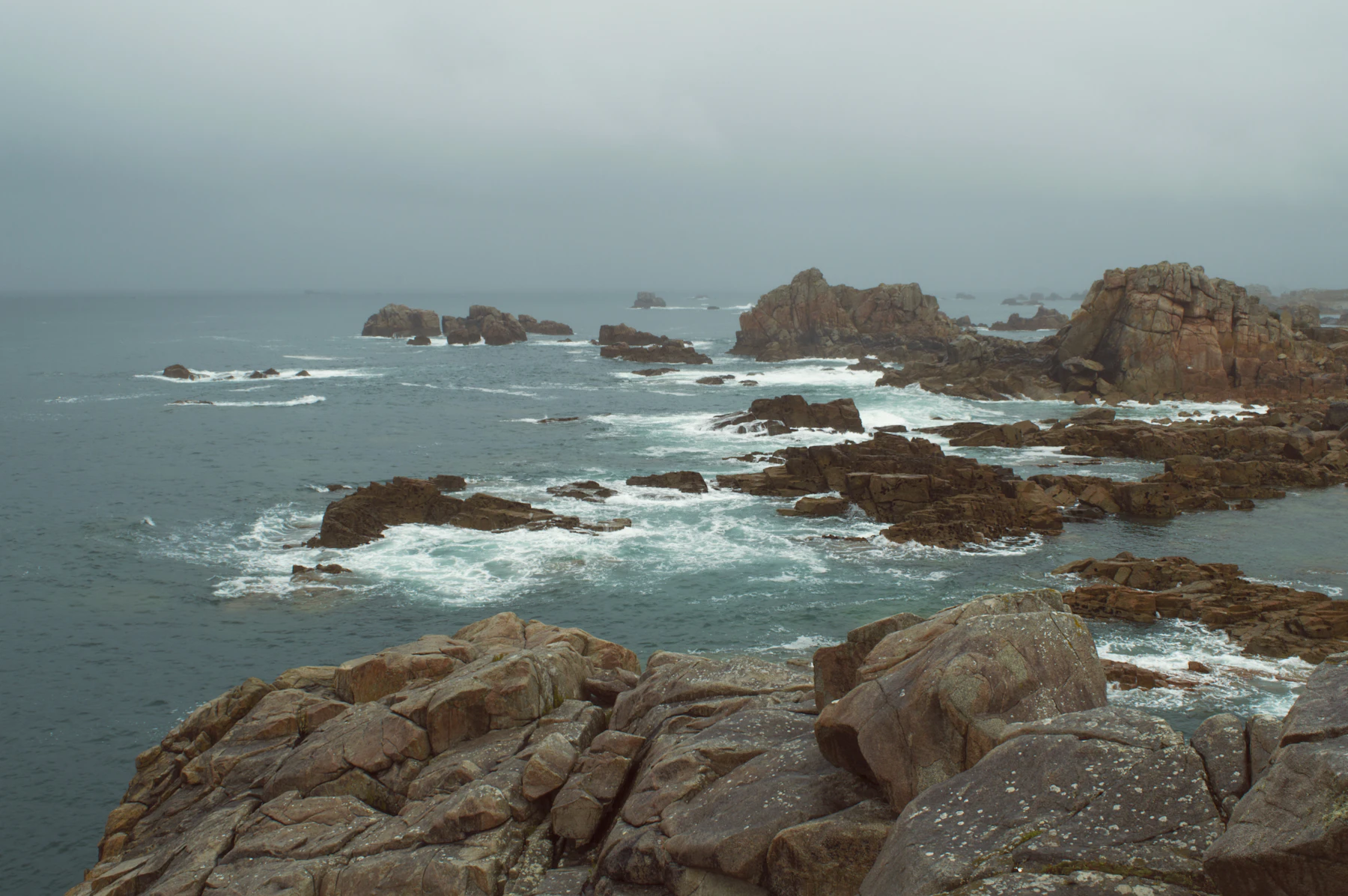
Nouvelle-Aquitaine is the long Atlantic coast plus a very large inland: the Dordogne, the Limousin uplands, the Charente and the Landes forest. If you are picturing free nights beside the beach, plan again. The free stopovers here are an inland network.
01 · Map
02 · Every place · 403
Group 01 · Nouvelle-Aquitaine
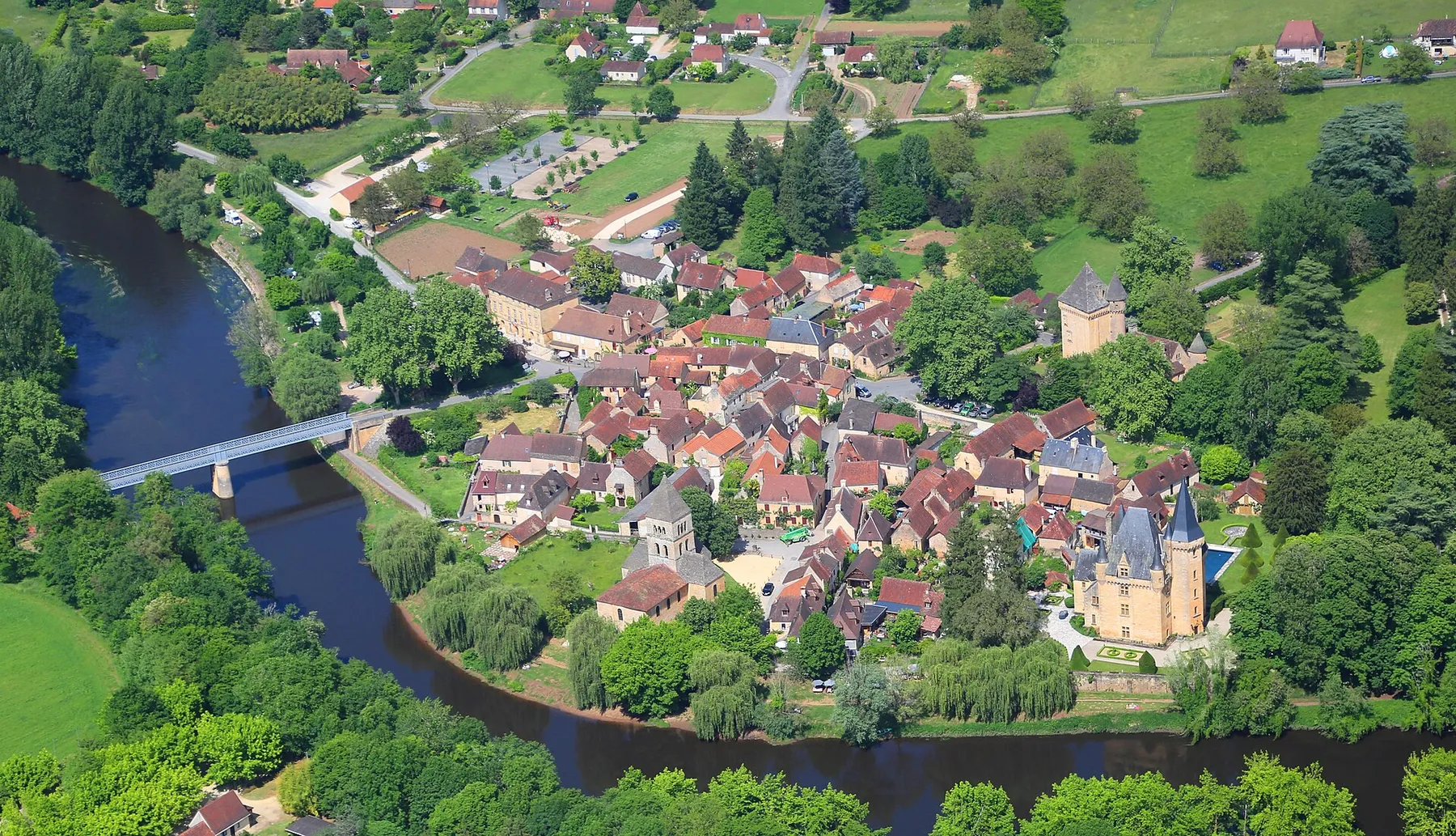 AirePaid · 12.00 €/night
Nouvelle-Aquitaine · France
Checked Jan 10
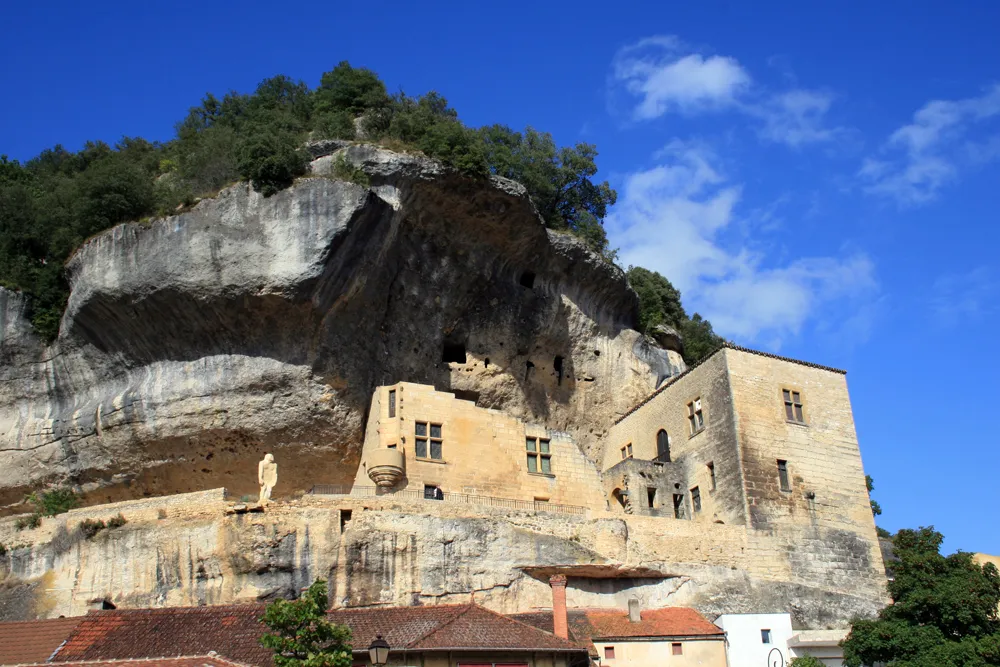 AirePaid · 10.50 €/night
Nouvelle-Aquitaine · France
Checked Jan 1
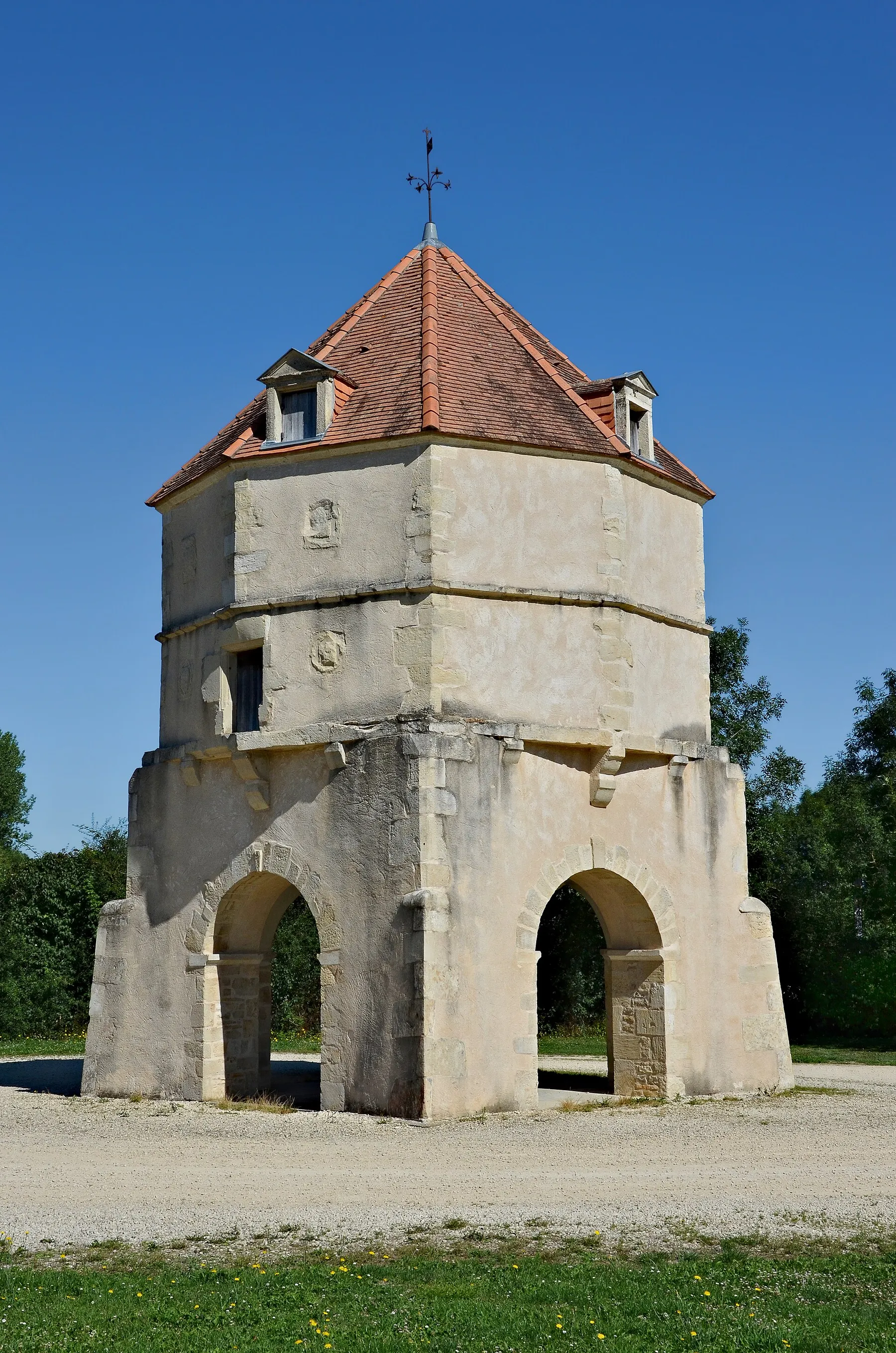 AireFee not stated
Nouvelle-Aquitaine · France
Checked Jan 1
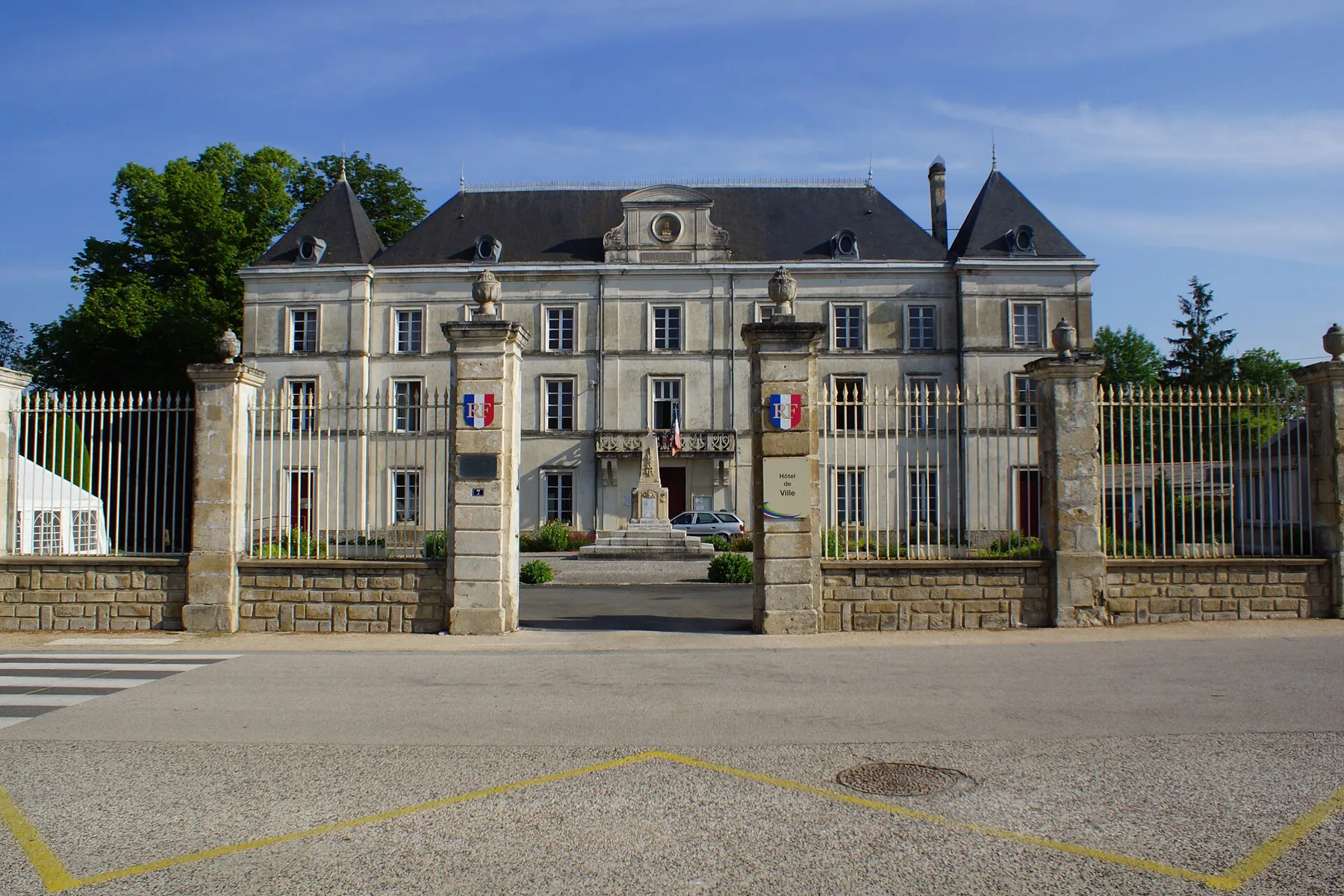 AireFee not stated
Nouvelle-Aquitaine · France
Checked Jan 1
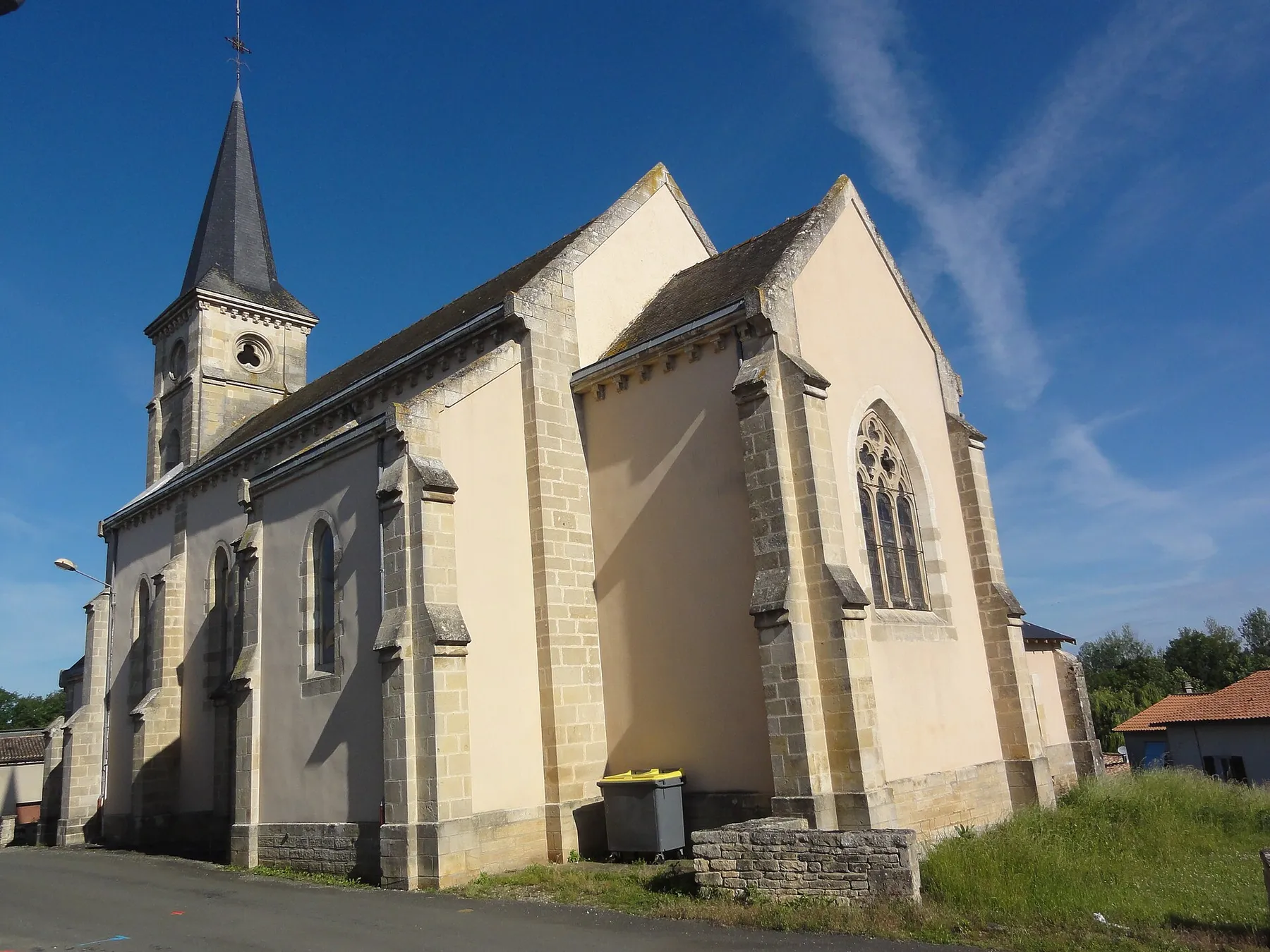 AireFee not stated
Nouvelle-Aquitaine · France
Checked Jan 1
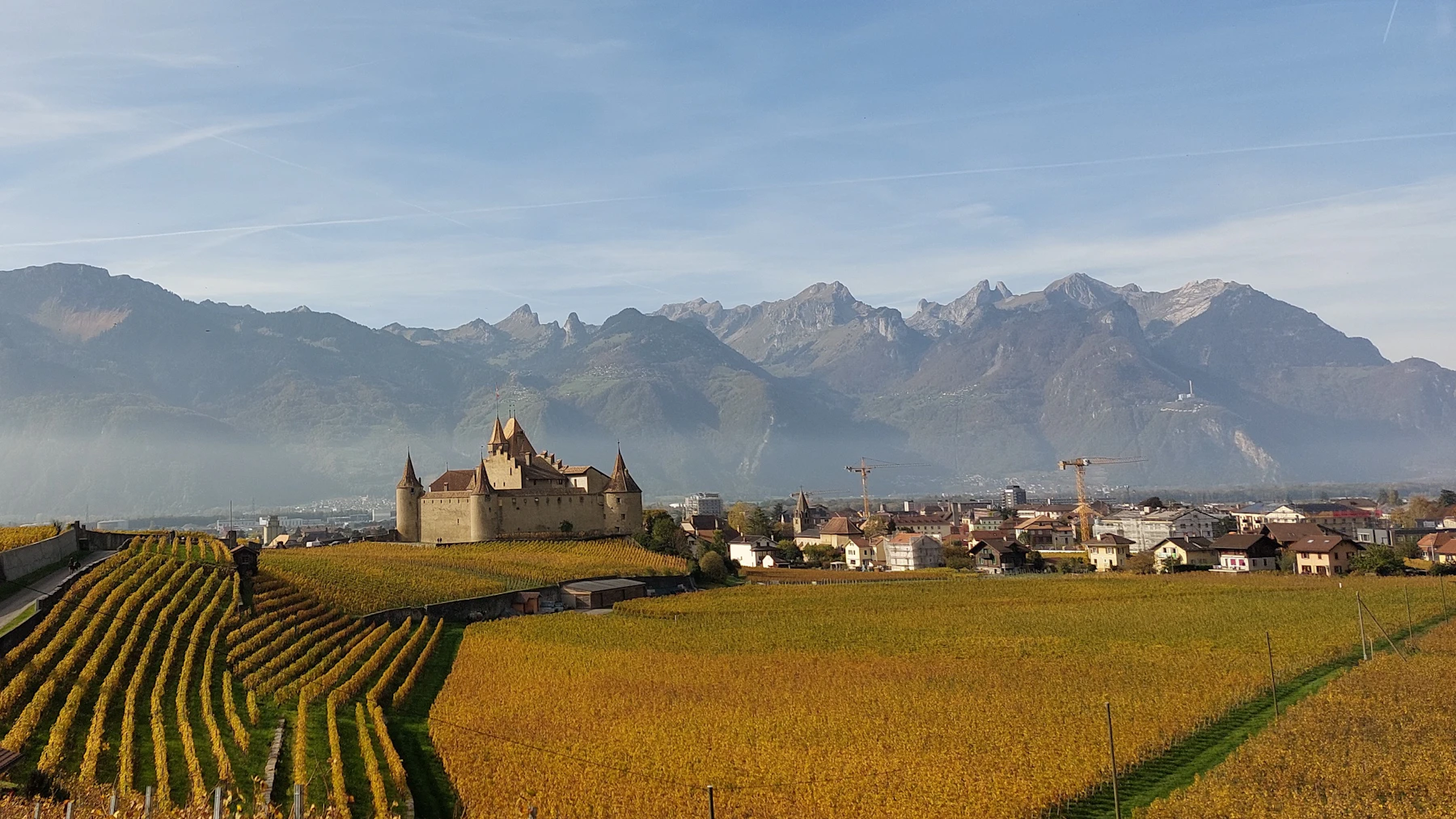 AireFree
Nouvelle-Aquitaine · France
Checked Jan 1
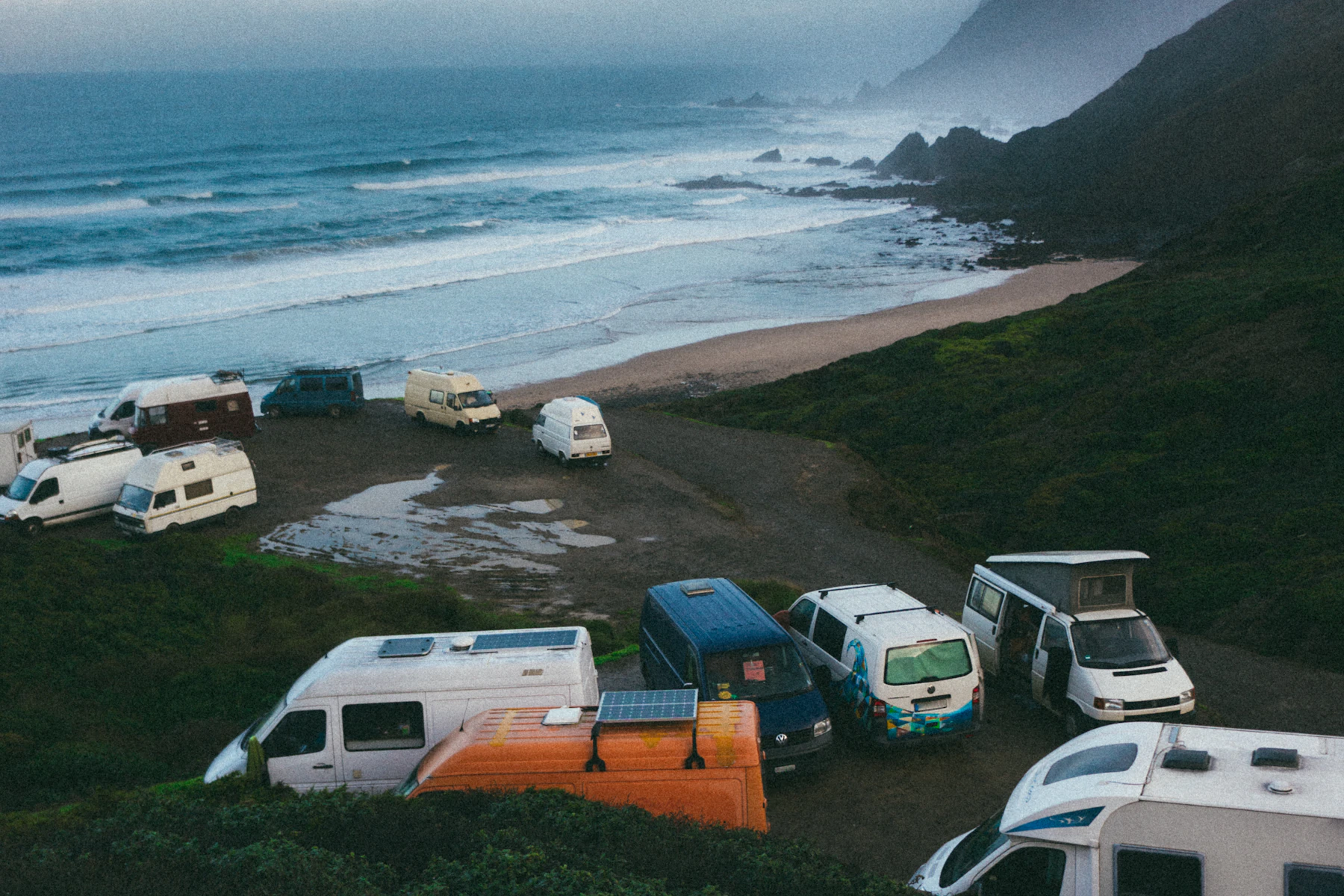 AireFee not stated
Nouvelle-Aquitaine · France
Checked Jan 1
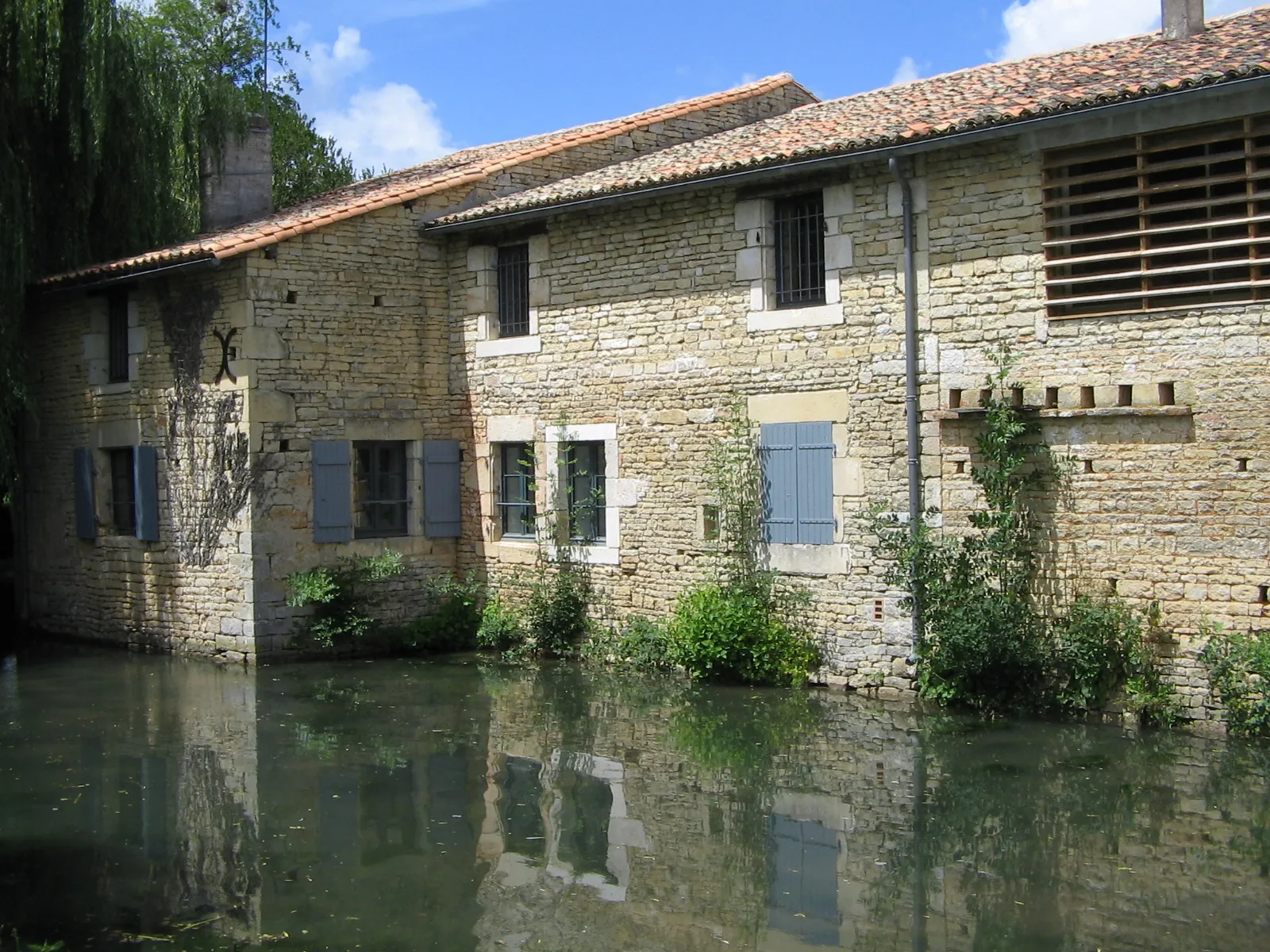 AireFee not stated
Nouvelle-Aquitaine · France
Checked Mar 11
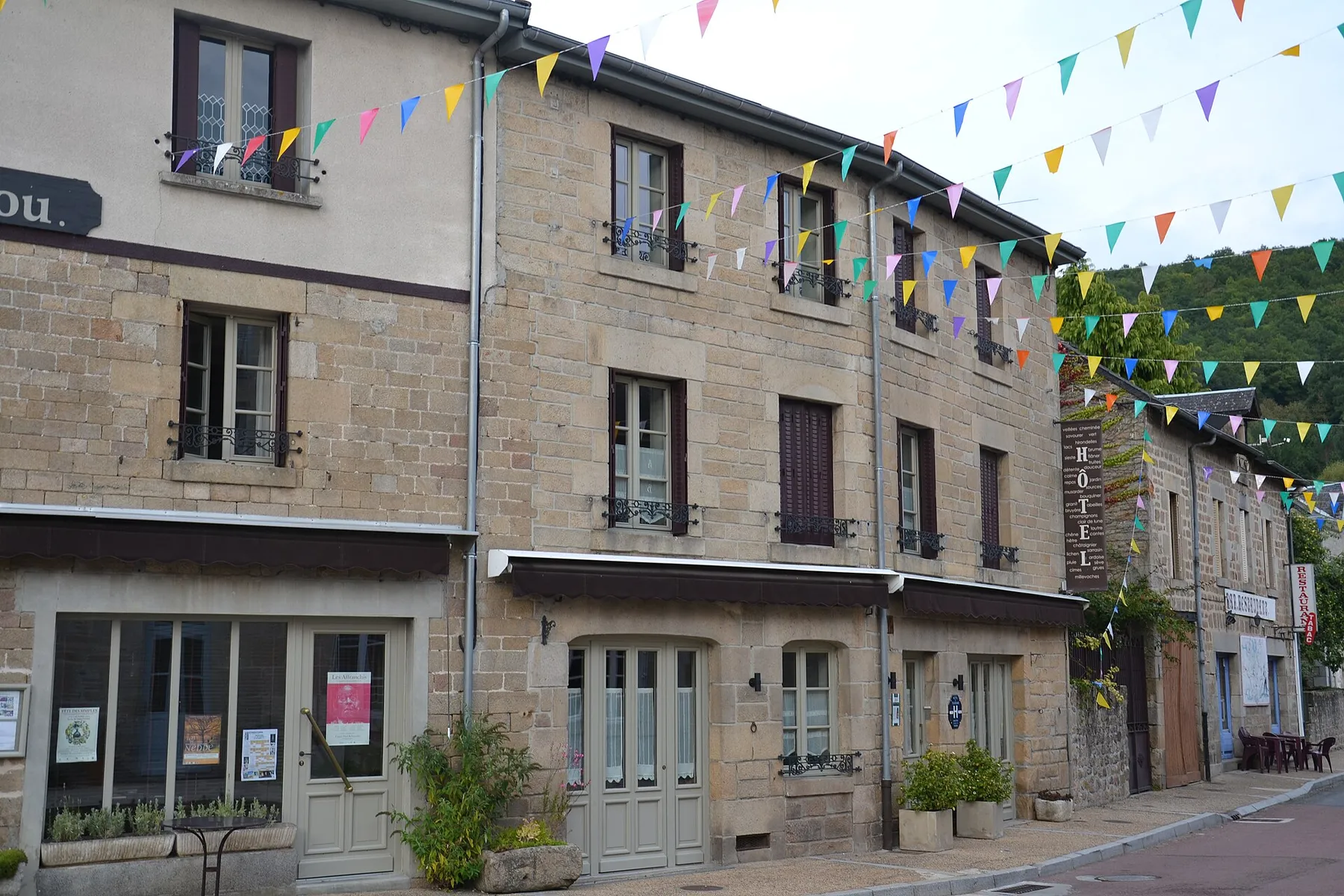 AireFee not stated
Nouvelle-Aquitaine · France
Checked Mar 18
AireFee not statedNouvelle-Aquitaine · France
Checked Jan 1
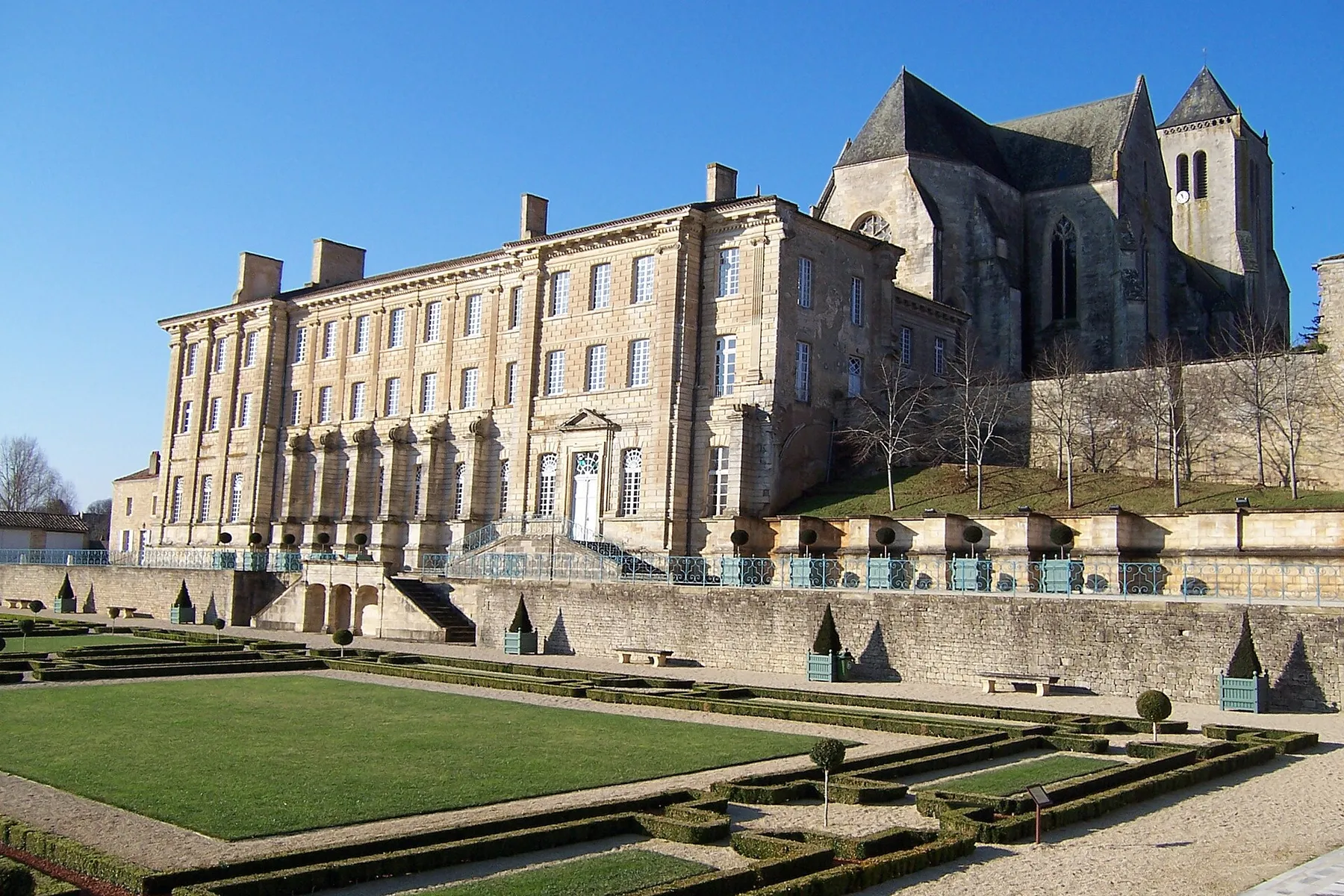 AireFee not stated
Nouvelle-Aquitaine · France
Checked Jan 1
 AireFee not stated
Nouvelle-Aquitaine · France
Checked Jan 1
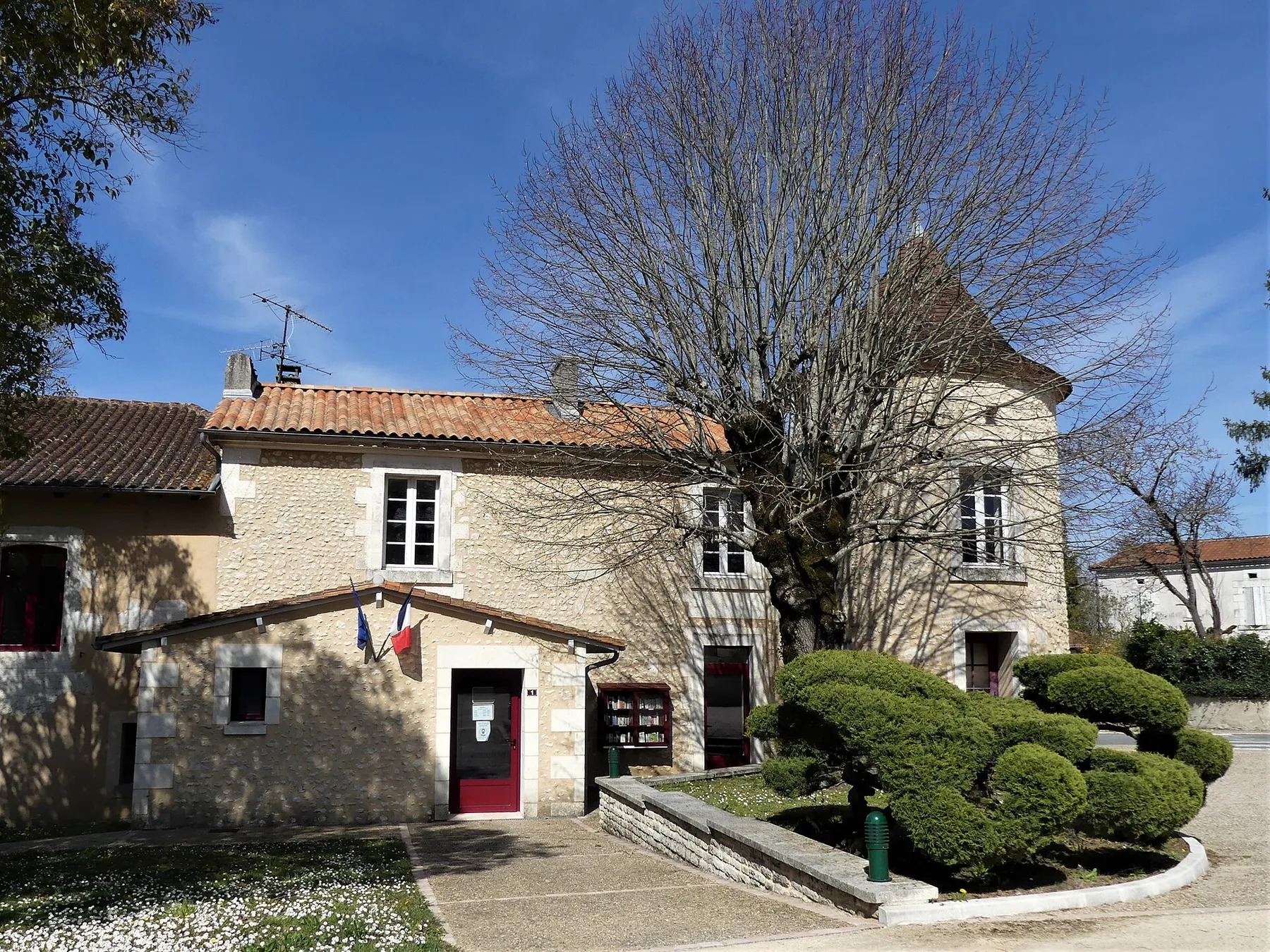 AireFee not stated
Nouvelle-Aquitaine · France
Checked Mar 4
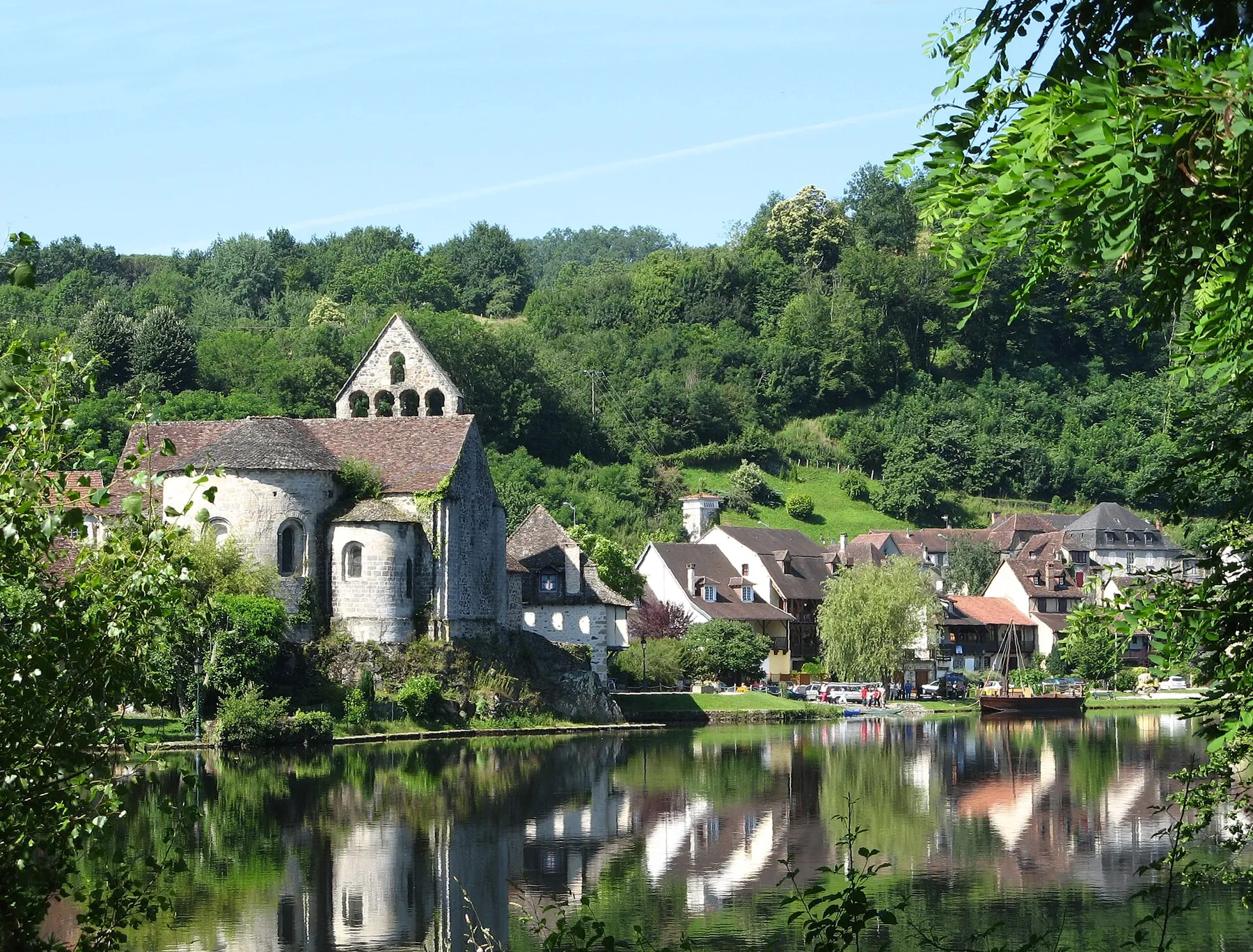 AireFree
Nouvelle-Aquitaine · France
Checked May 11
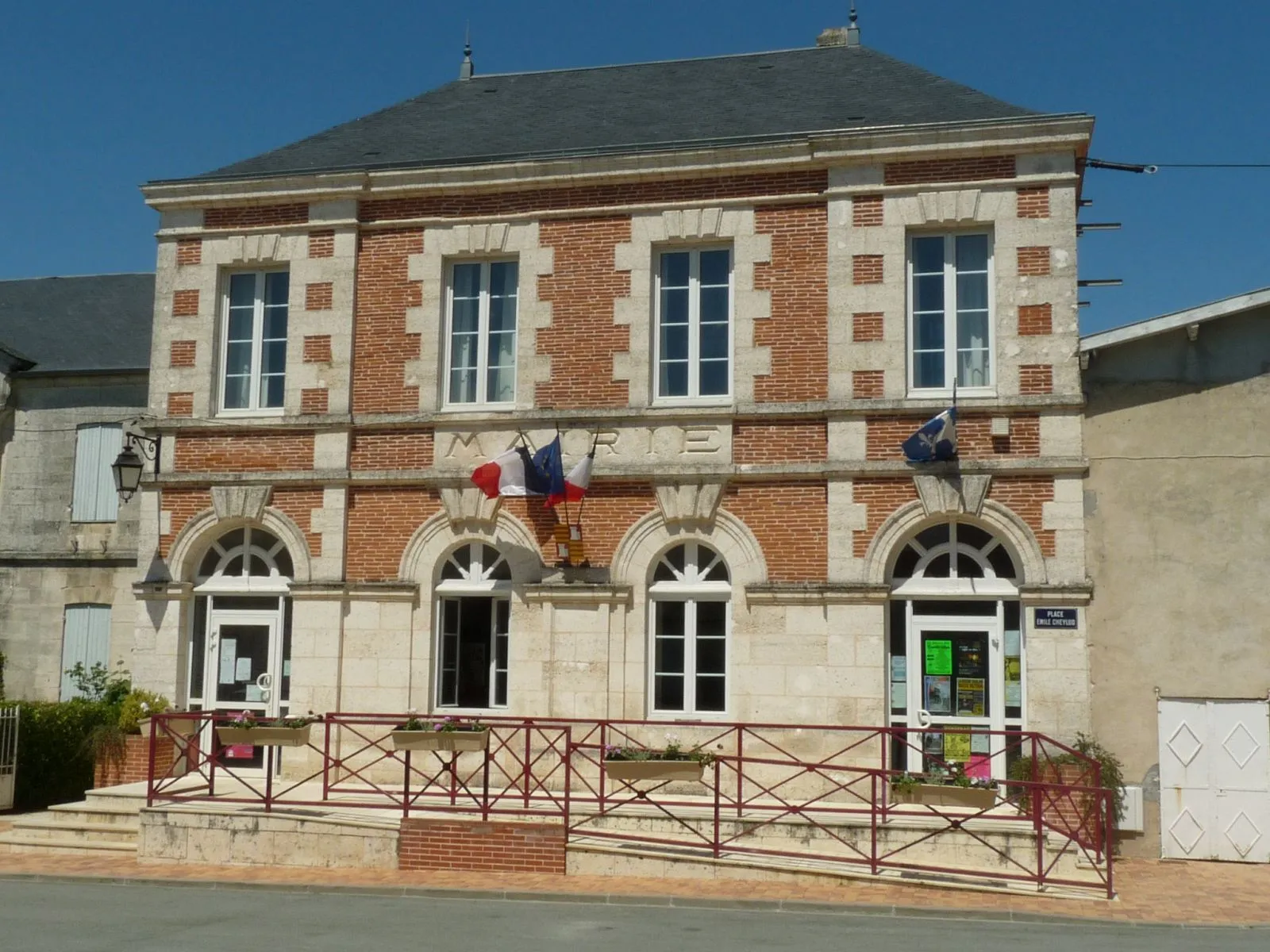 AireFee not stated
Nouvelle-Aquitaine · France
Checked Mar 4
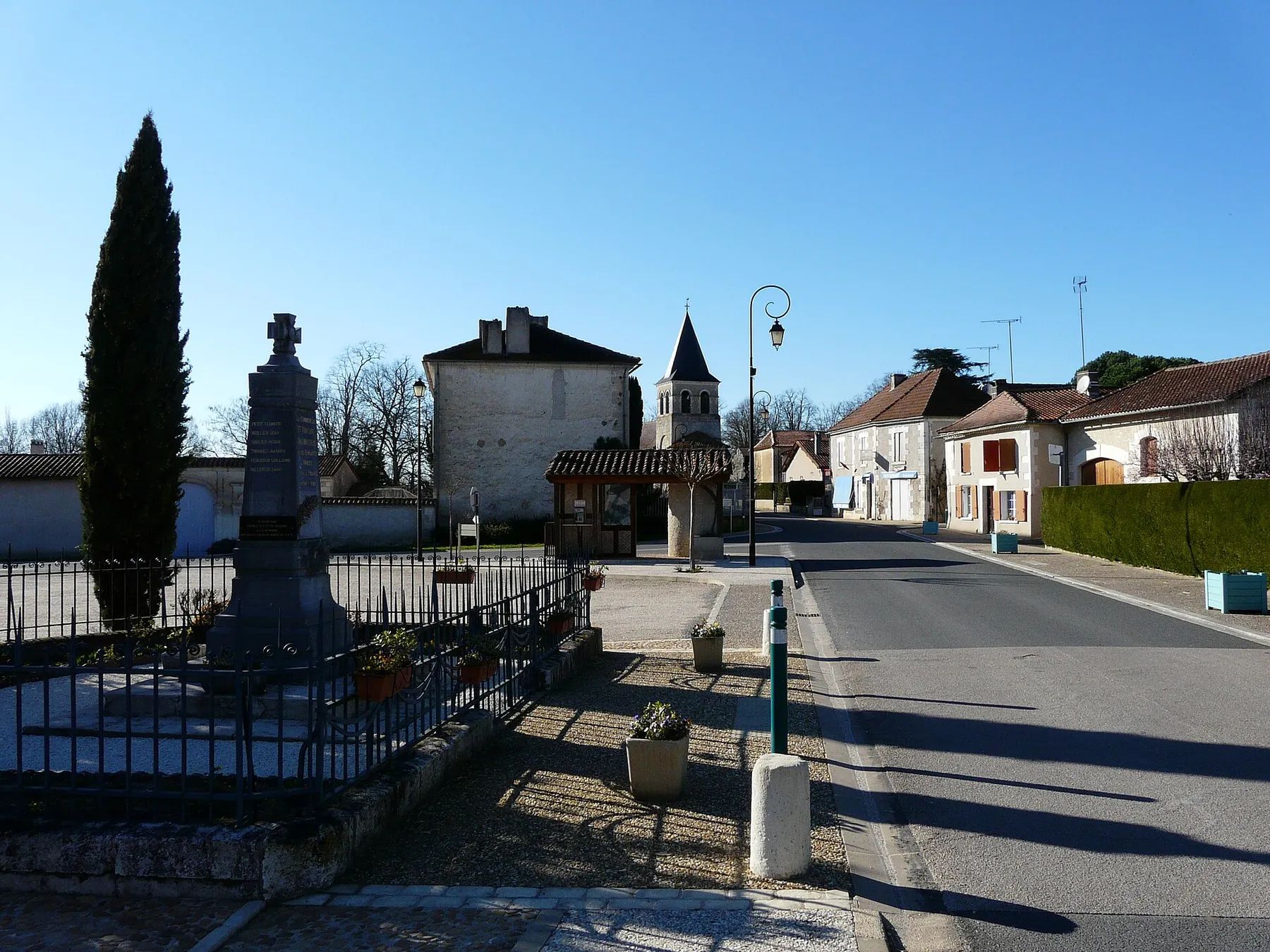 AireFee not stated
Nouvelle-Aquitaine · France
Checked Mar 4
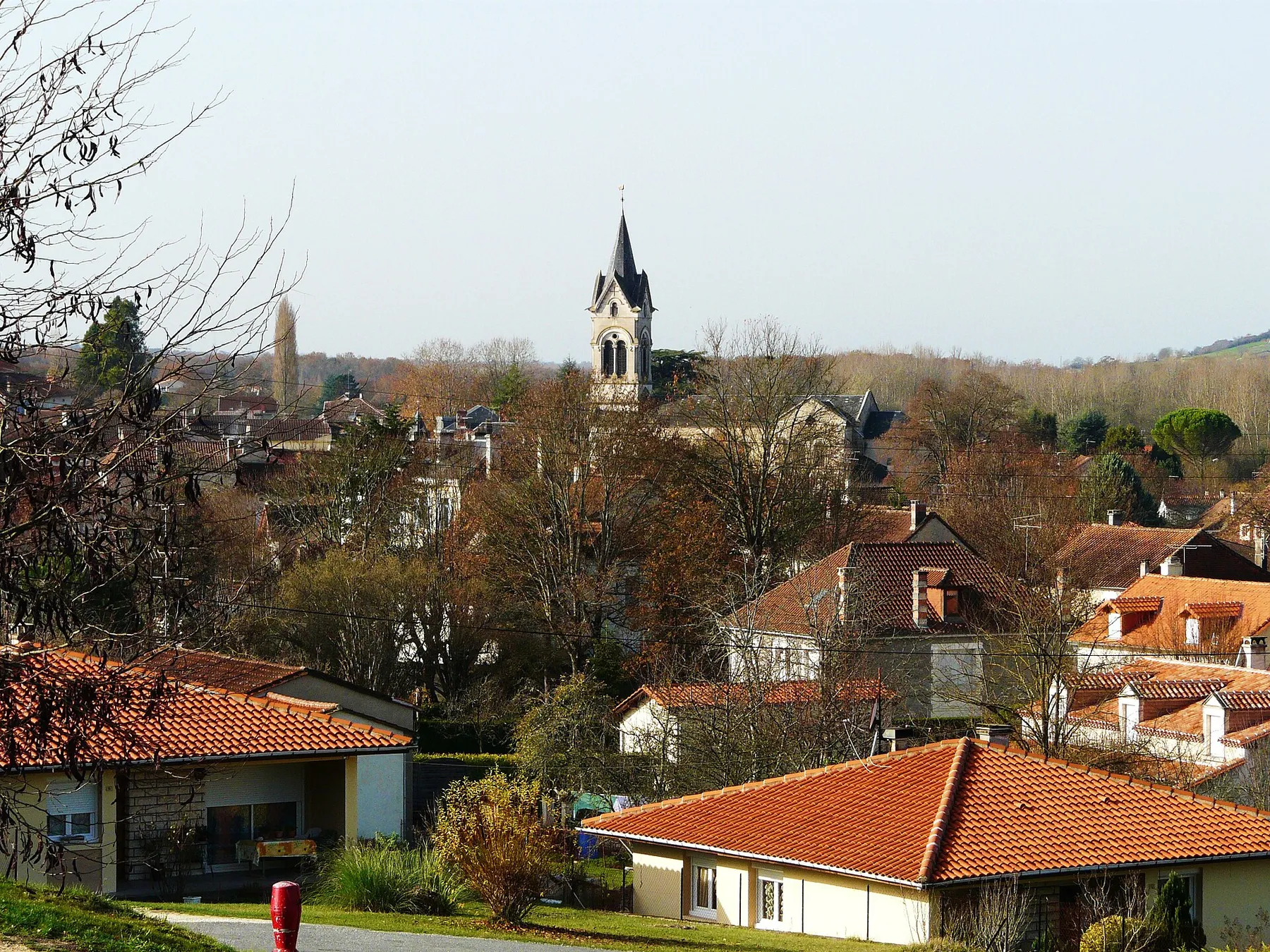 AireFee not stated
Nouvelle-Aquitaine · France
Checked Mar 4
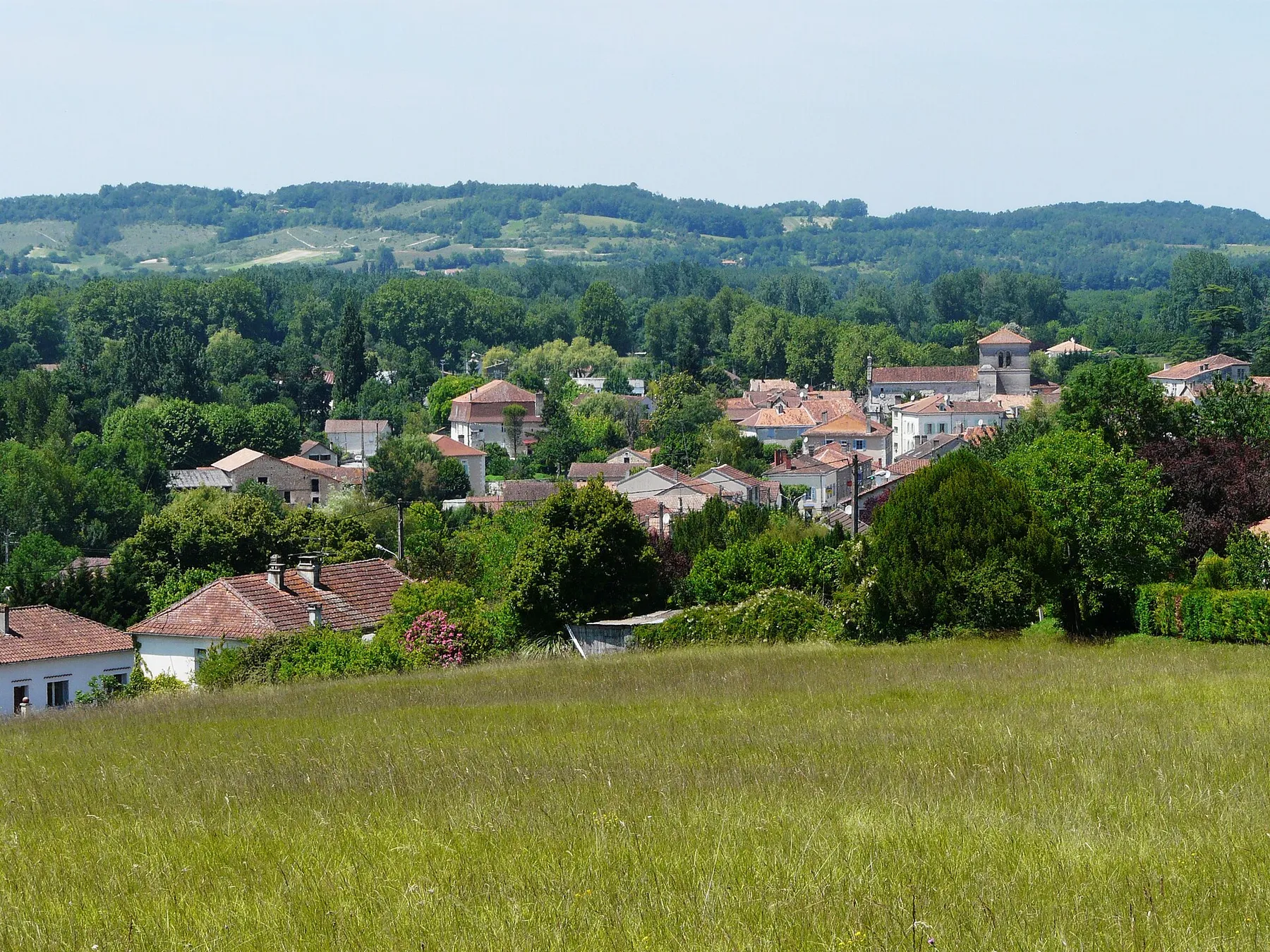 AireFee not stated
Nouvelle-Aquitaine · France
Checked Mar 4
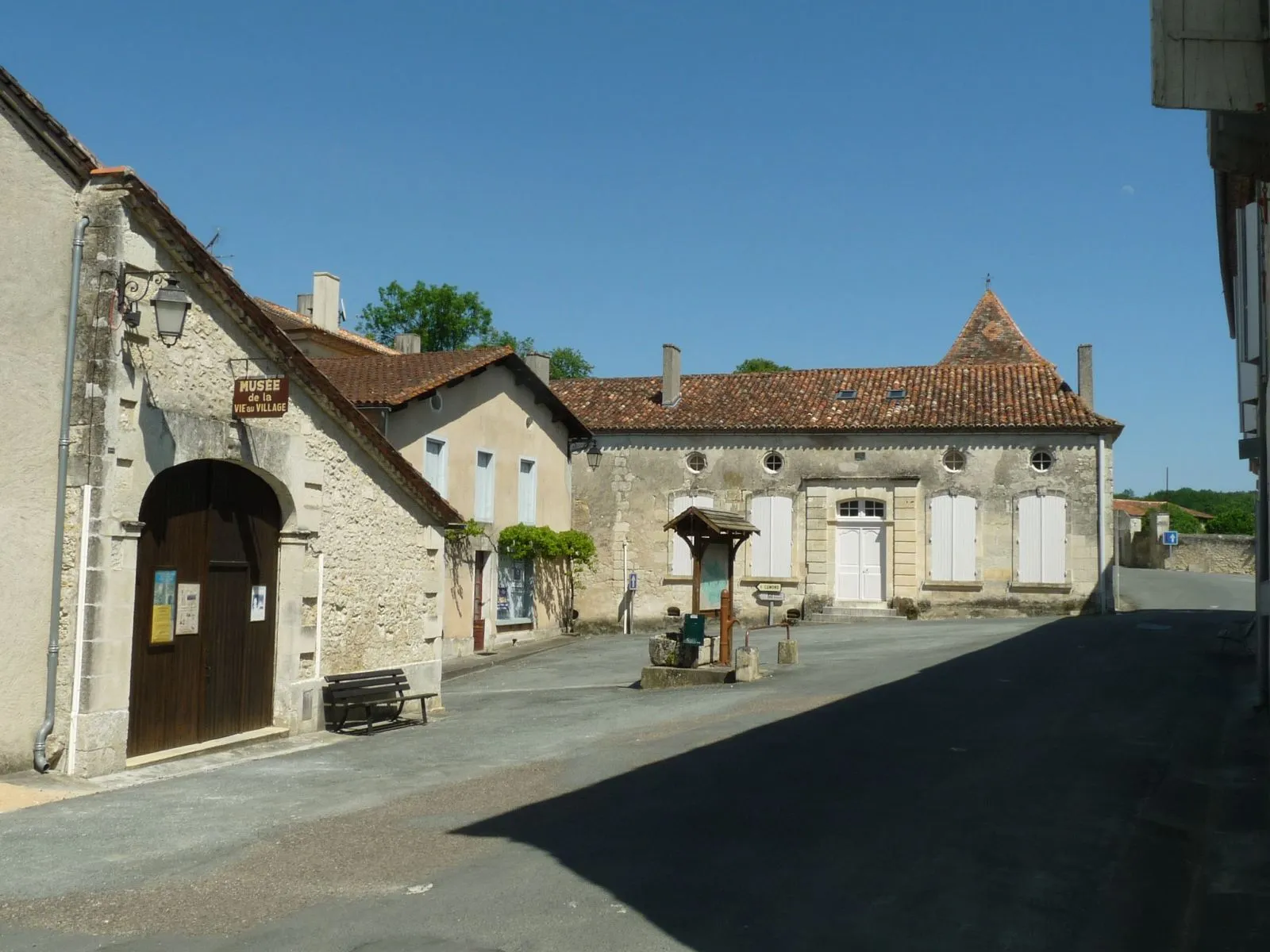 AireFee not stated
Nouvelle-Aquitaine · France
Checked Mar 6
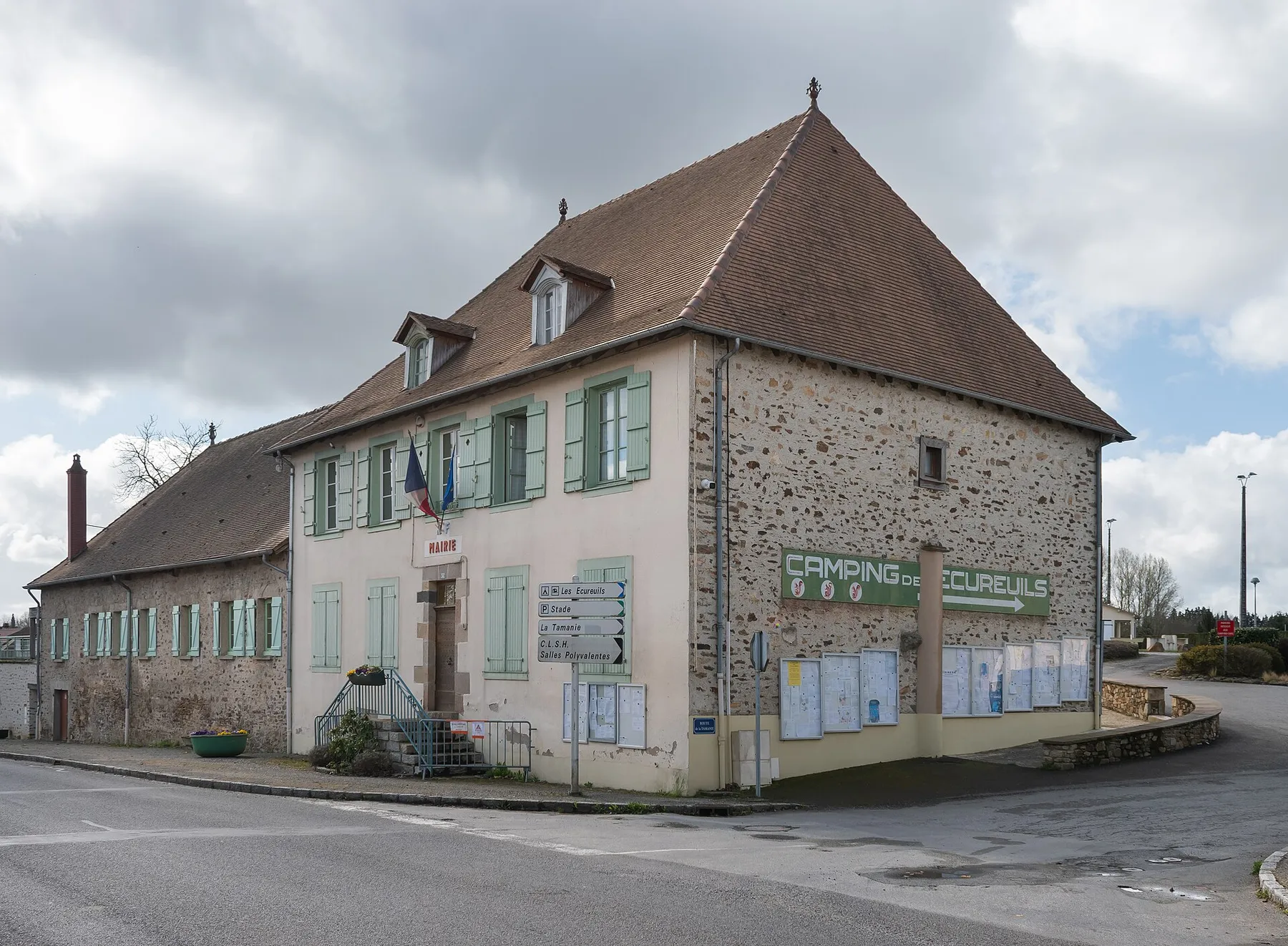 AireFee not stated
Nouvelle-Aquitaine · France
Checked Apr 17
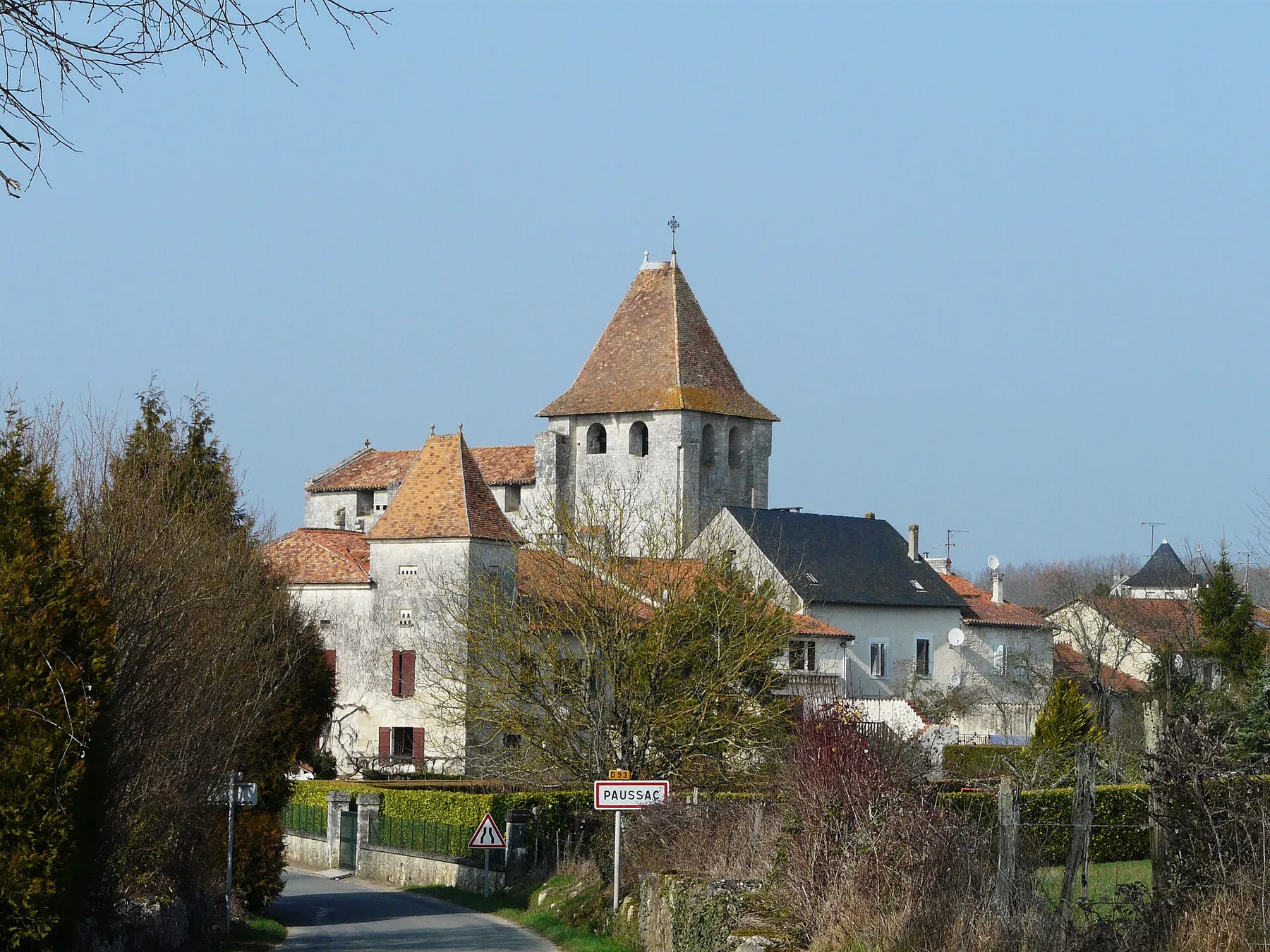 AireFee not stated
Nouvelle-Aquitaine · France
Checked Mar 4
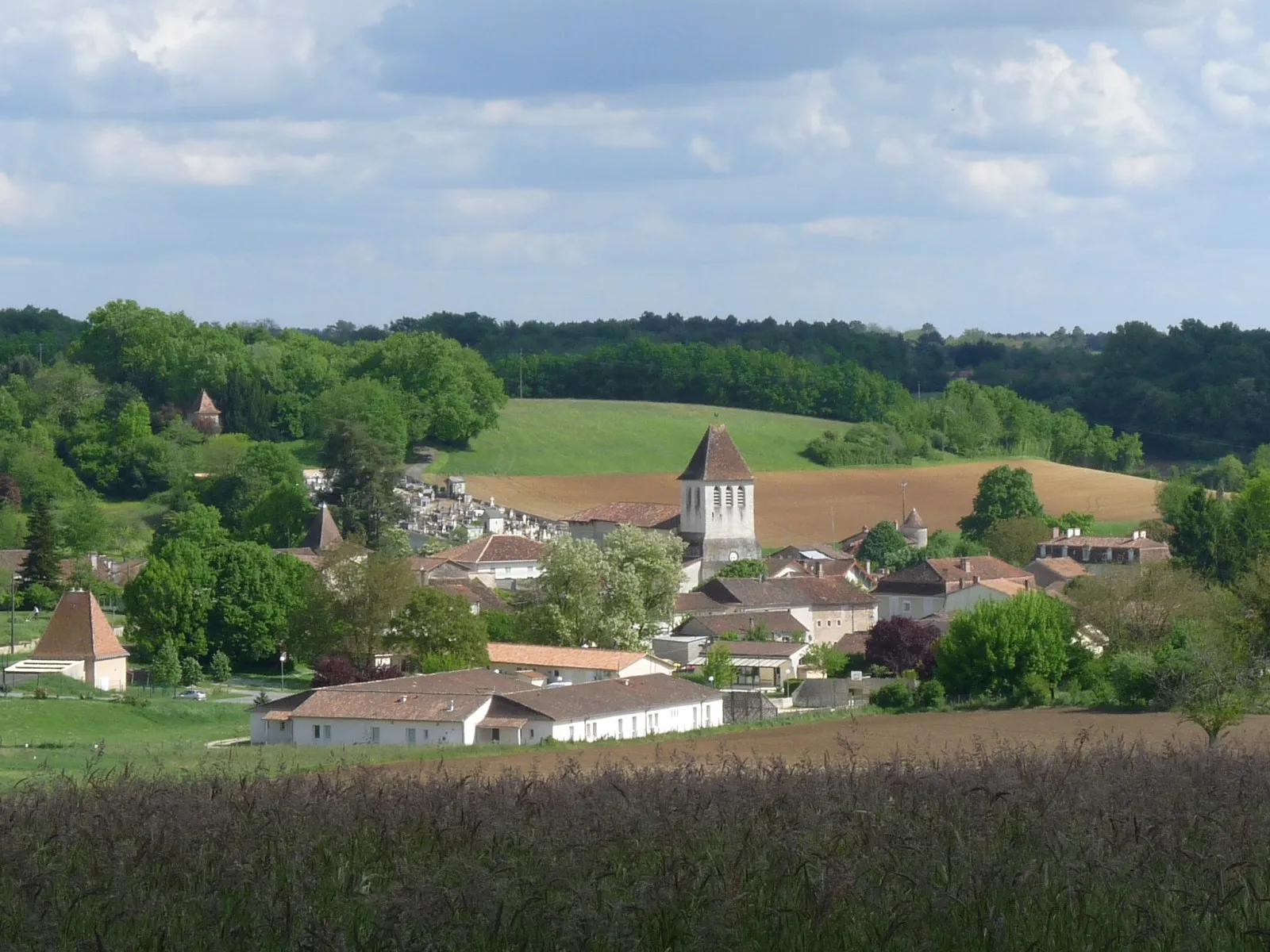 AireFree
Nouvelle-Aquitaine · France
Checked Mar 4
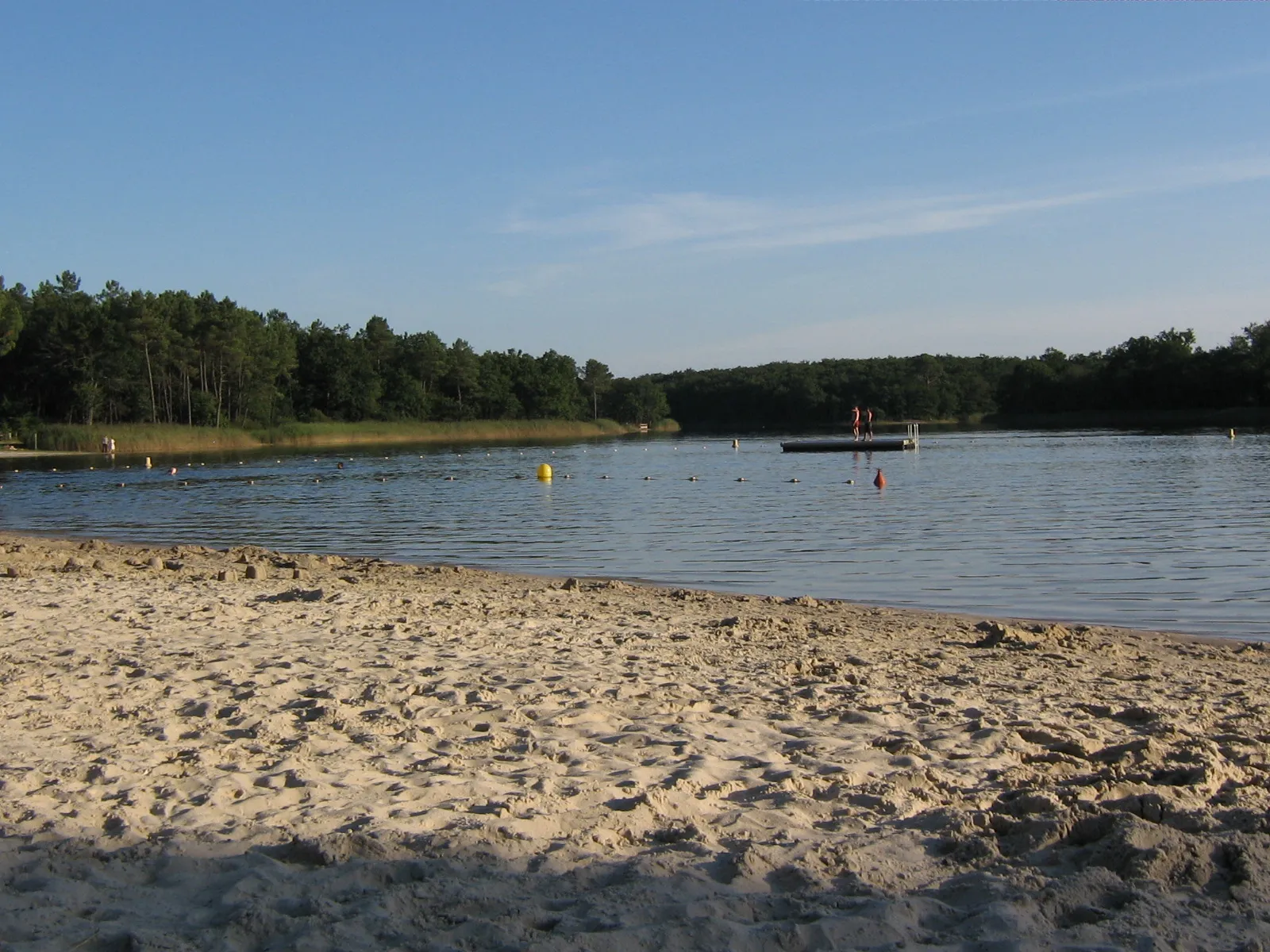 AireFree
Nouvelle-Aquitaine · France
Checked Apr 2
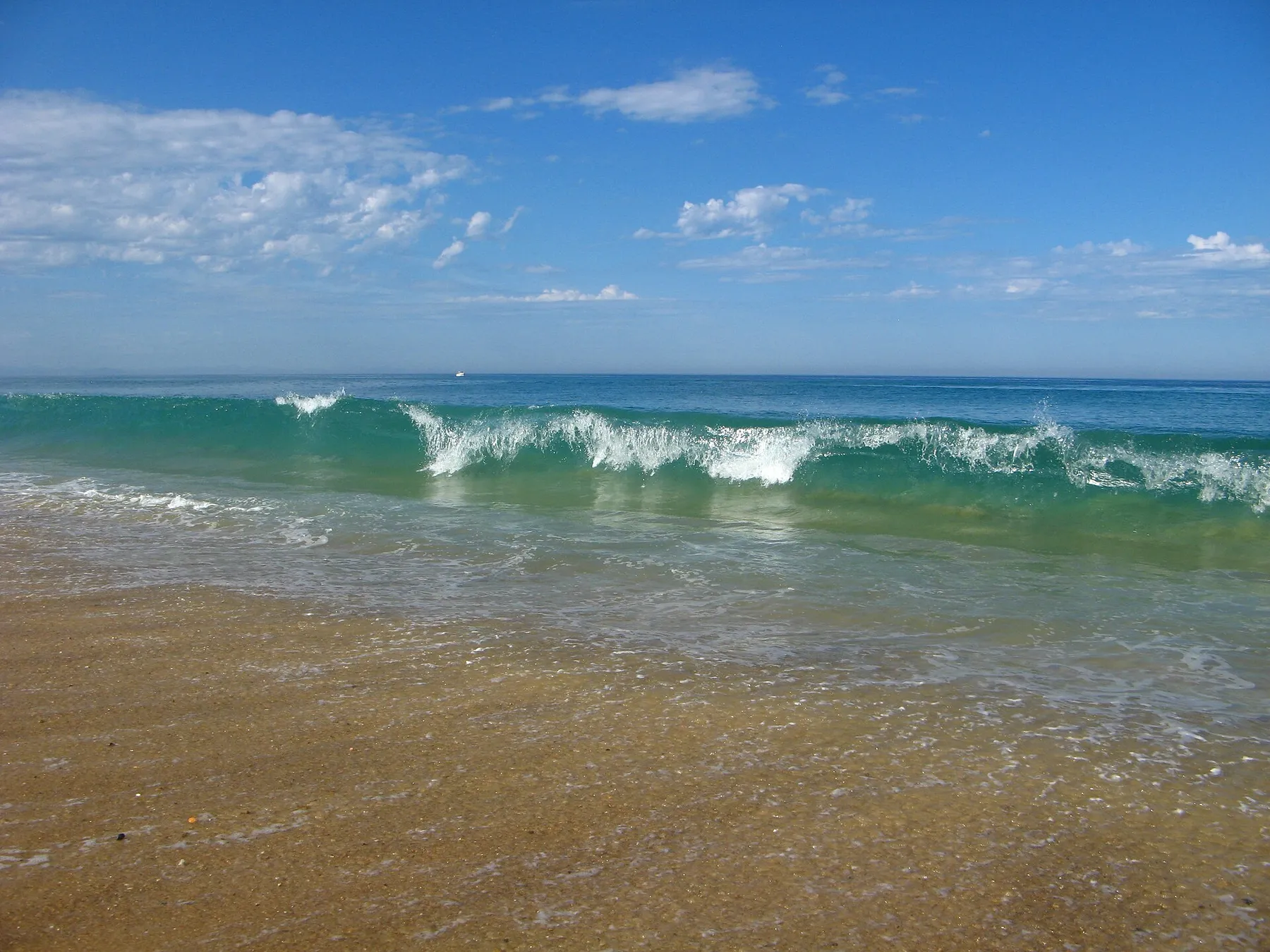 AirePaid
Nouvelle-Aquitaine · France
Checked Jan 10
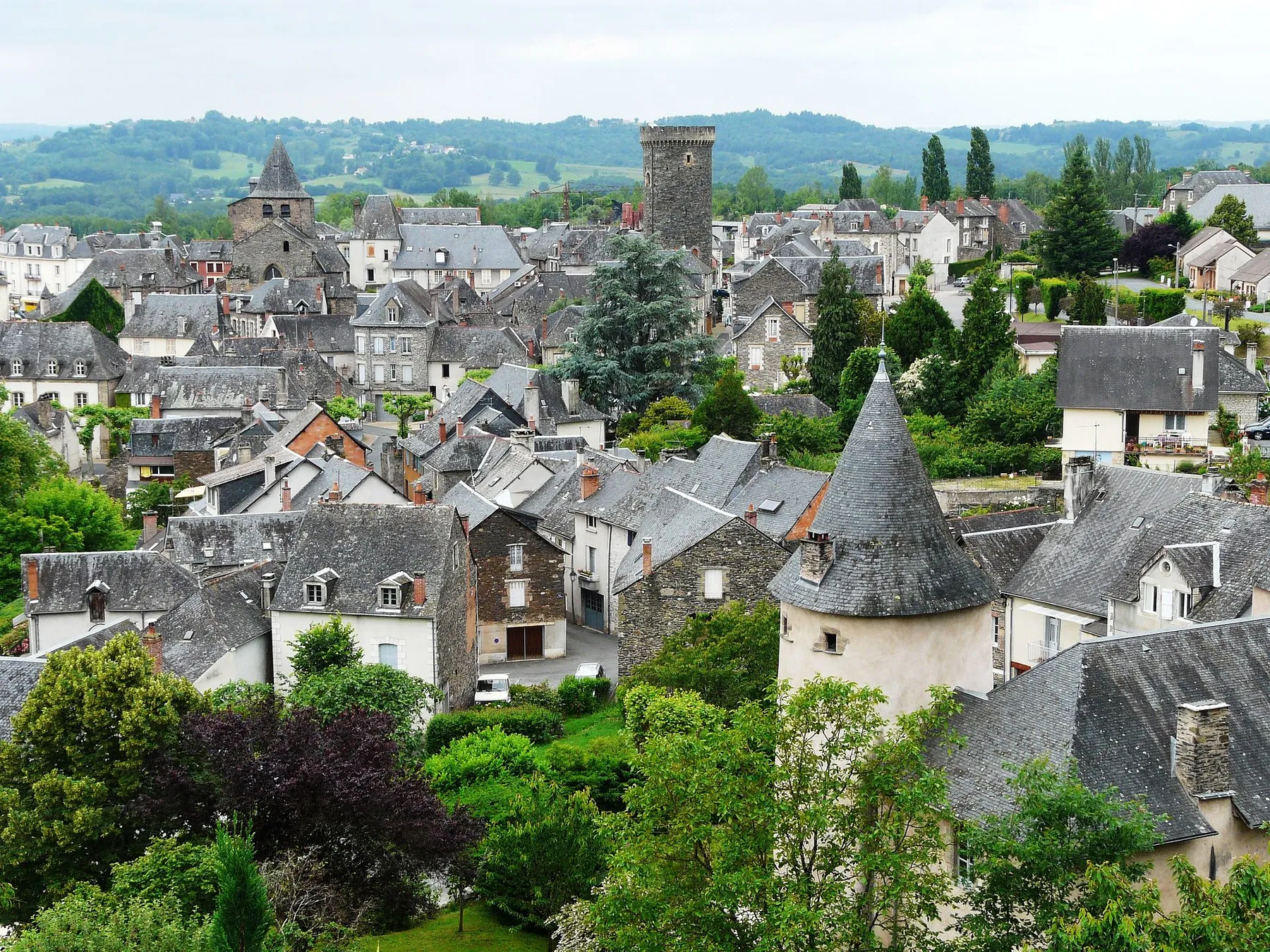 AirePaid
Nouvelle-Aquitaine · France
Checked Jun 29
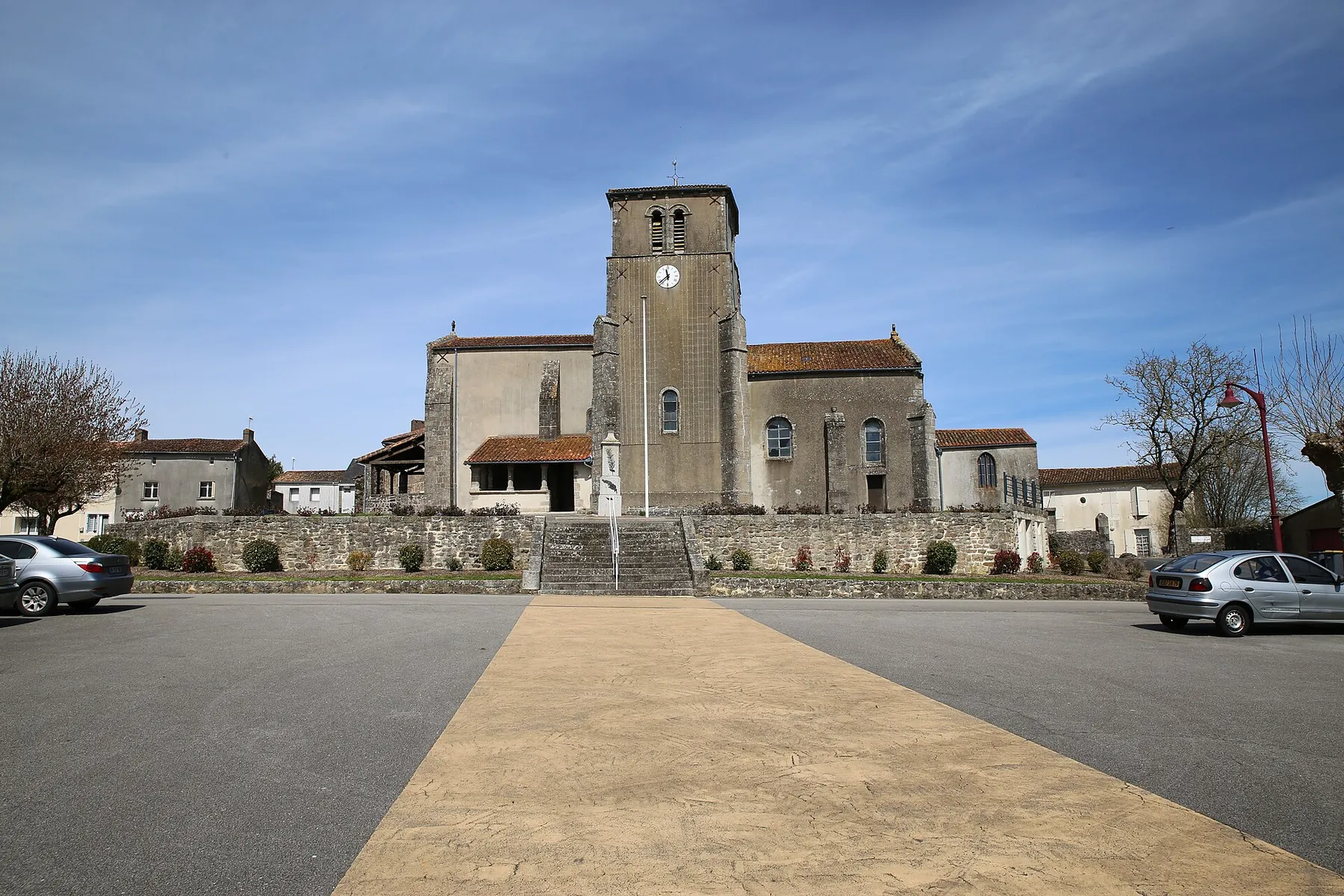 AirePaid
Nouvelle-Aquitaine · France
Checked Mar 31
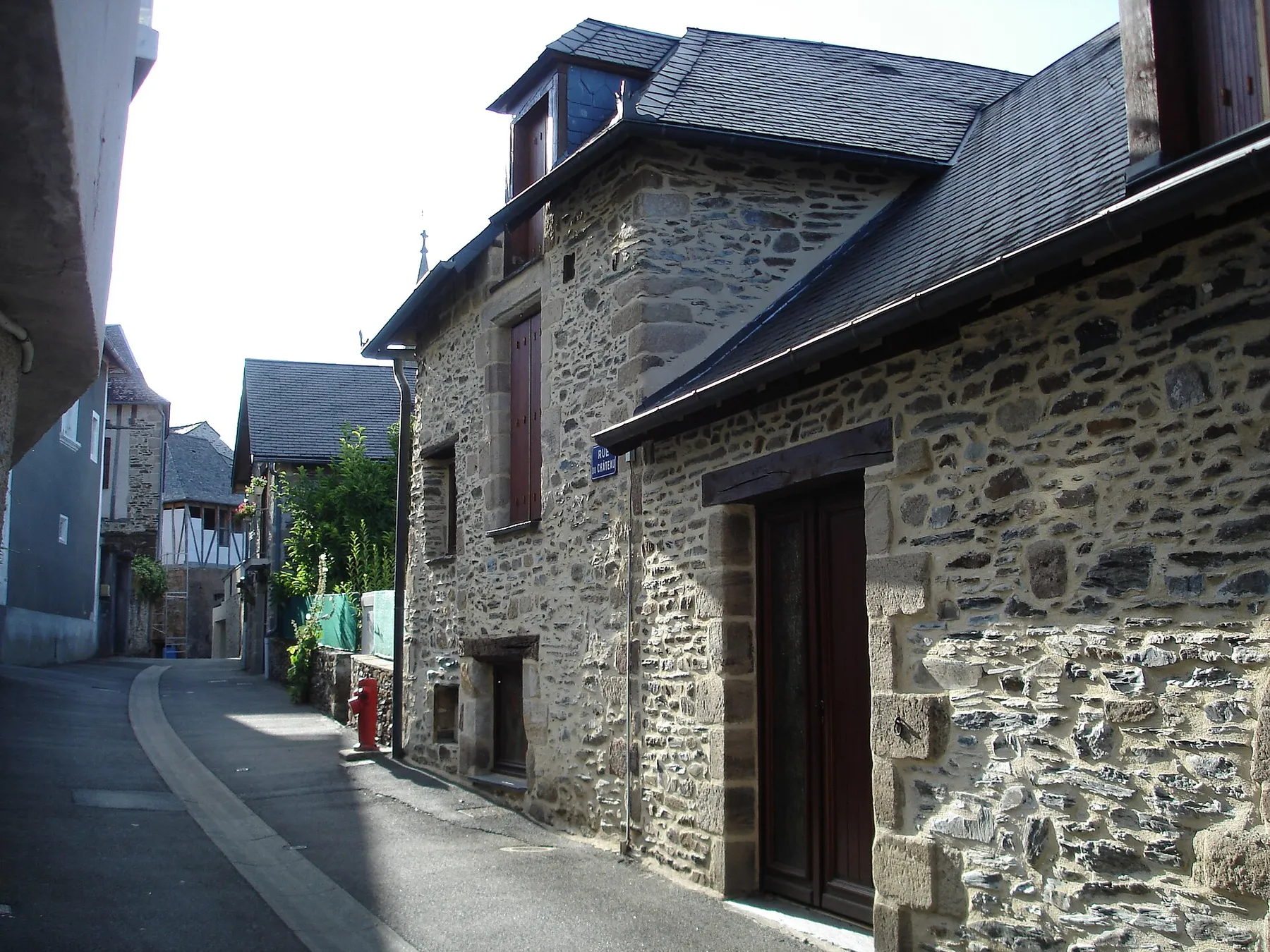 AirePaid
Nouvelle-Aquitaine · France
Checked Jun 29
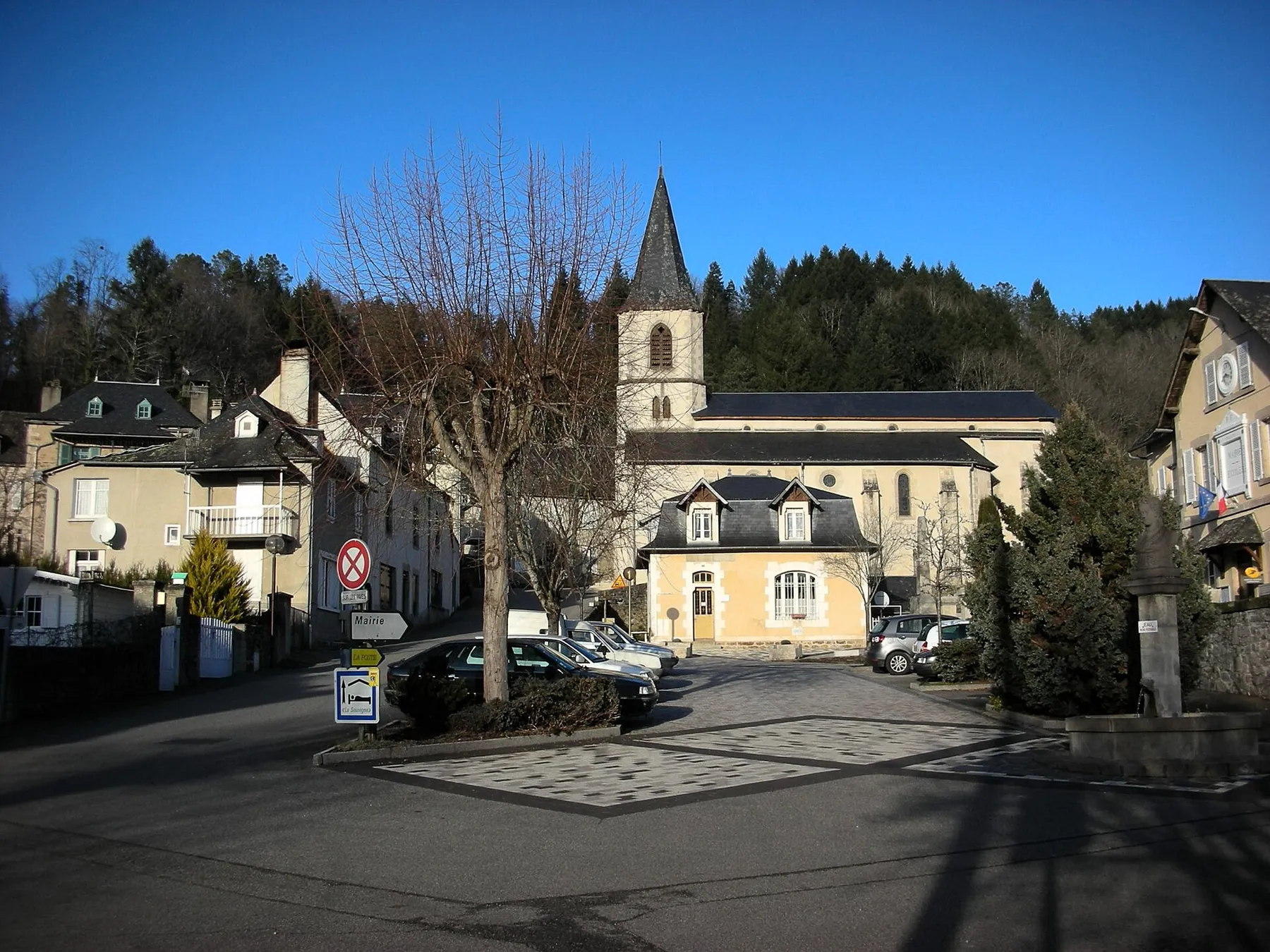 AirePaid
Nouvelle-Aquitaine · France
Checked Jun 29
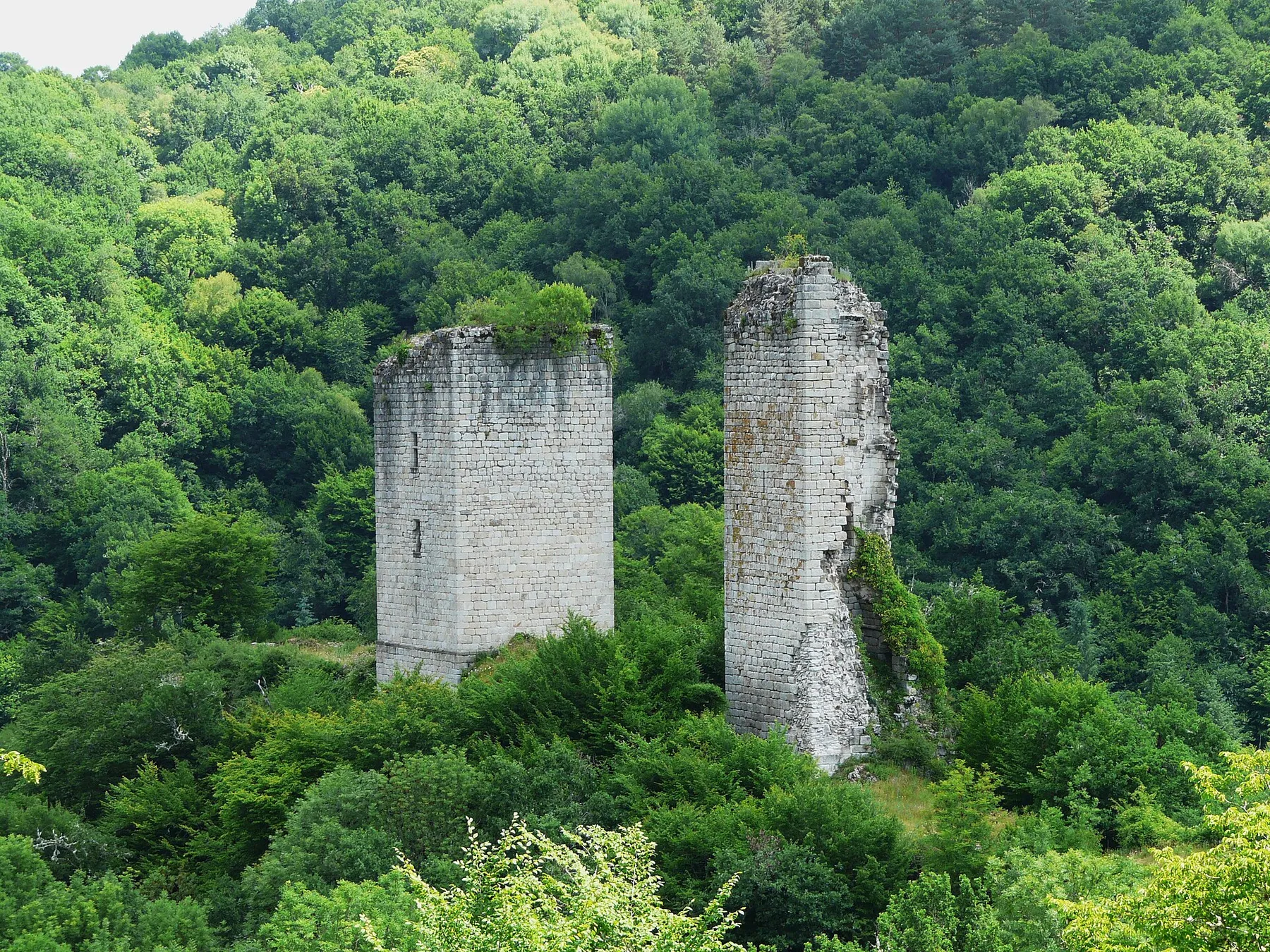 AirePaid
Nouvelle-Aquitaine · France
Checked Jun 29
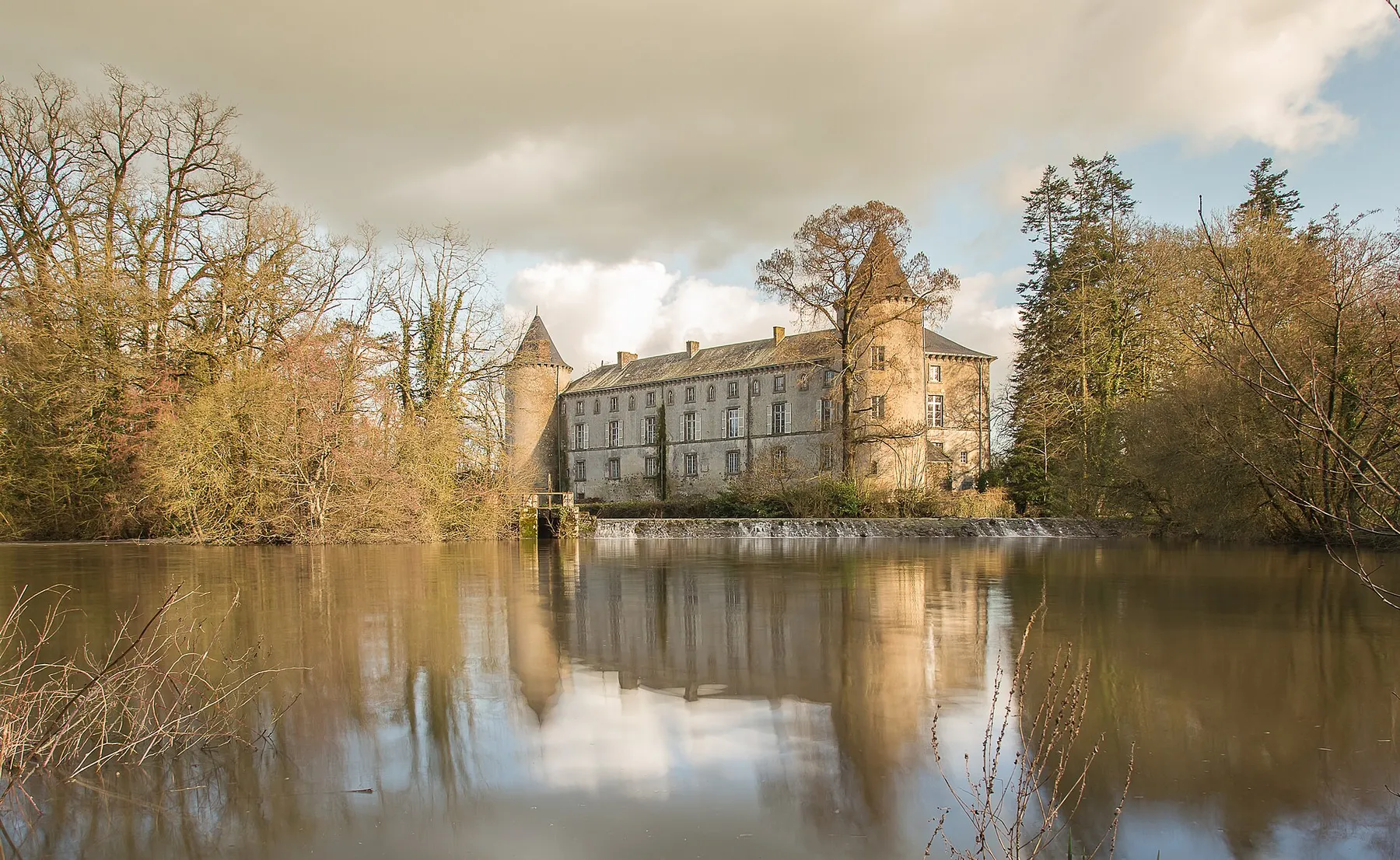 AirePaid
Nouvelle-Aquitaine · France
Checked Jan 10
03 · Before you go
What you are arriving at
In Nouvelle-Aquitaine a stopover here means an aire de services, a stopover designated by the commune. Usually a small marked car park with a service point for water and waste, signed from the road.
Fees
Free parking and free services are two different things. Where a place charges for water or power, its own page says so. Carry coins for the ones with no price posted.
Season
18 of these 403 stopovers publish opening hours. The rest do not. Where no season is published, treat the water as something to confirm rather than something to plan around, and arrive with a full tank in the cold months.
04 · The detail
Nouvelle-Aquitaine is the largest region in France, and the free stopovers in it are not where most visitors point the van. The Atlantic beach strip is the draw and it is also the expensive part. The free places sit behind it: in the Charente, the Vienne and Deux-Sèvres, the Creuse and the Corrèze, the Dordogne away from the honeypot villages, and the Lot-et-Garonne.
The north and center are easy. Gentle country, sensible two-lane roads, towns every 20 or 30 km, and the sort of terrain where a motorhome is no handicap at all. The A10 runs the length of the region and is quick if you are willing to pay for it.
Two areas need more care. The Dordogne and Vézère valleys are lovely and awkward: the roads through Beynac, La Roque-Gageac and Sarlat are narrow, walled and busy, and the parking that exists is set up for cars. The Landes forest is the opposite problem, hundreds of square kilometers of pine on straight roads, easy to drive and easy to spend an afternoon on without arriving anywhere. In the far south the ground starts to rise into the Béarn and the Basque country, and the valley roads toward the Pyrenees get steeper and tighter the further up you go.
The coast is crushed in August. That is the single most useful fact about timing here. Resort towns take on several times their winter population, the coastal car parks fill from mid morning, and the inland aires within an hour of the sea get busier with it. June and September are genuinely better: warm enough for the Atlantic to be worth swimming in, quiet enough that the aires have space.
Inland the season is longer but not endless, and some places record their own dates. Romagne in the Vienne is tagged in OpenStreetMap as open March 15 to October 31, Azerables in the Creuse as March to November. Those are contributor records rather than official dates, but they are a fair indication of the pattern: a lot of small communal aires here run from spring to late autumn and shut for the winter. The Limousin uplands are higher and colder than people expect, and winter there is a real winter.
336 free places are mapped across Nouvelle-Aquitaine. Treat the count as a floor rather than a total: a blank part of the map is unmapped rather than empty.
Checking a stop yourself is easier here than in most of France. The tourism boards for the Creuse, the Dordogne, the Landes, the Vienne and the Charente all publish aire listings, so look up the département you are crossing before you commit to a route through it. Where this comes from
Four inland pockets carry most of it.
The Charente and the Angoumois, around Angoulême and the Cognac country, have a tight run of small communal aires: Segonzac, Nersac, Villognon, Voeuil-et-Giget, Saint-Séverin. Distances between them are short.
Poitou, meaning the Vienne and the Deux-Sèvres, is the second. Lencloître, Chaunay, Romagne, Vasles, Vernoux-en-Gâtine and Archigny are all municipal aires in ordinary working towns, and the density is high enough to string together.
The Limousin is the third and is probably the most underrated part of the region for this kind of travel. The Creuse alone carries Aubusson, Azerables, Felletin, Jarnages and Clugnat, and the Haute-Vienne and Corrèze add Sereilhac, Javerdat, Sauviat-sur-Vige, Chamberet and Vigeois. Quiet roads, few tourists, and communes that have decided visiting campers are worth the water bill.
Fourth, the Dordogne and the Lot-et-Garonne, but away from the famous villages. Lembras, Saint-Capraise-de-Lalinde and Savignac-Lédrier in the Dordogne, Tonneins and Caumont-sur-Garonne on the Garonne. The Garonne pair are larger, with OpenStreetMap recording 15 bays at Caumont.
Coastally there is far less. Saint-Caprais-de-Blaye and Saint-Laurent-Médoc in the Gironde, Saint-Porchaire and La Ronde toward the Marais Poitevin, and a couple in the Landes at Villeneuve-de-Marsan and Labastide-d’Armagnac, which are inland Landes rather than beach Landes. That is close to the whole free picture within reach of the Atlantic.
The sign at the entrance wins. So does whatever the mairie says this week. Coastal communes in particular change their motorhome arrangements between seasons, and a listing that was accurate last year may describe a car park that is now barriered. If you are camping in a tent rather than sleeping in a vehicle, the rules are a separate question: read the French bivouac rules.
The wider national picture is on the France country page, the term itself is explained in what an aire is, and you can see this region in context on the France map.
05 · Frequently asked
Mostly not. Almost every free place in this region sits inland, and the beach strip from the Charente-Maritime down through the Landes to the Basque country is close to empty. Each coastal commune sets its own parking arrangement and rewrites it between seasons, so plan the free nights inland, budget for a paid one when you want to wake up near the water, and read the posted sign wherever you do stop.
May, June and September. July and August put the Vézère and Dordogne valleys under real pressure, the village roads are narrow, and parking a long vehicle in Sarlat or Beynac in high season is its own project. The aires inland from the tourist strip stay quieter.
It is bigger than several European countries, so yes, if you want to see both ends. Bordeaux to Limoges is a long day on its own, and Poitiers to the Spanish border is longer. Pick one of the four: the coast, the Dordogne and Lot valleys, the Limousin, or the Landes and Béarn.
A plan d'eau is a municipal lake or reservoir, usually with a swimming area, a path around it and a car park. Communes across this region built them as local amenities, and a good number put the motorhome aire in the same car park. They tend to be quiet, level and a short walk from the town.
06 · Nearby