What you are arriving at
What the sign says
In Bavaria a stopover here means a Stellplatz, a motorhome stopover designated by the Gemeinde or a local operator. Usually marked bays with a service point, signed from the road.


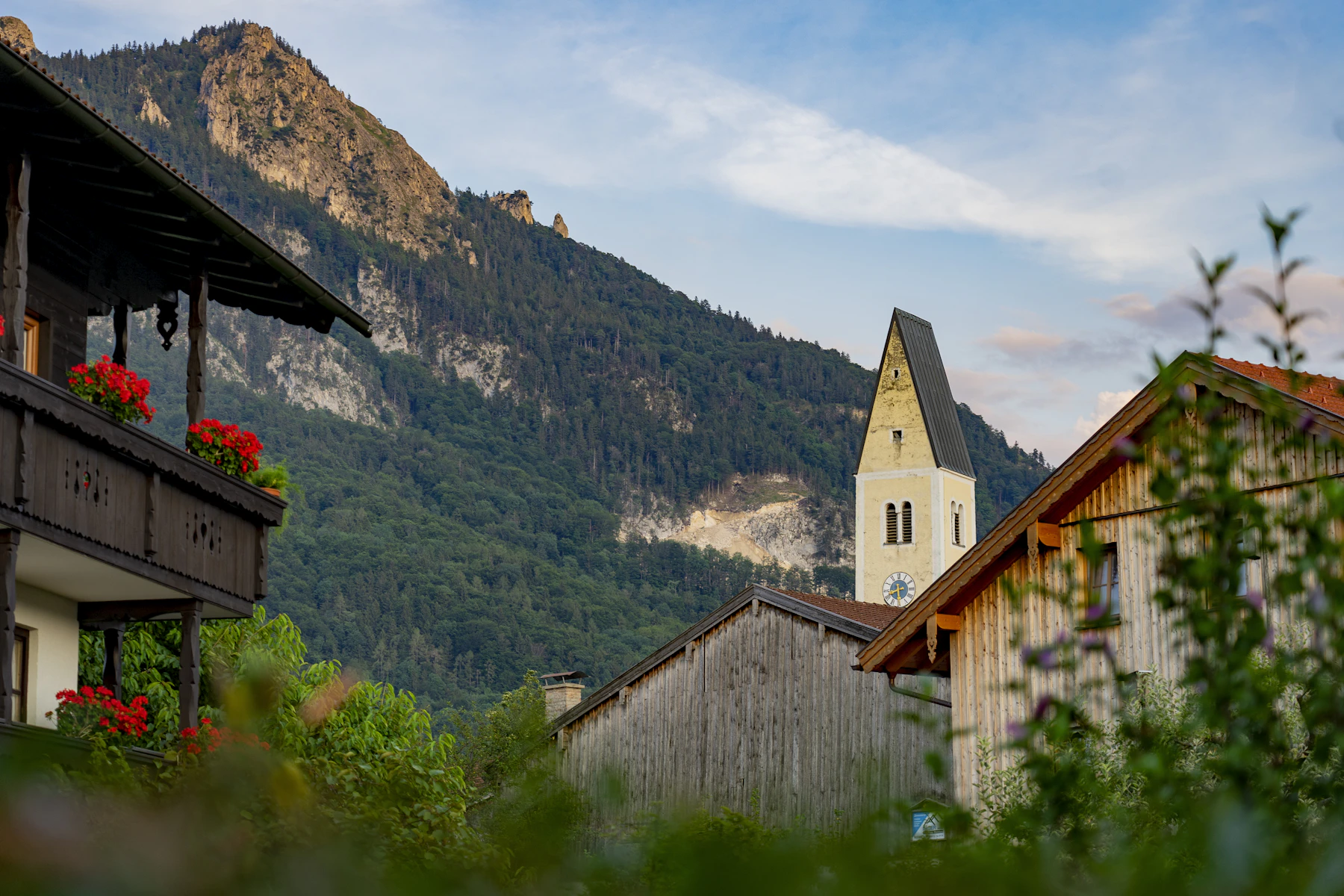
Bavaria is the biggest German state and carries the biggest count here, 84 Stellplätze written up in full and every one of them on the map. The free Stellplatz here is a Franconian and Oberpfalz phenomenon, and the Alps and the big lakes are where free stopping is thinnest.
01 · Map
02 · Every place · 91
Group 01 · Bavaria
StellplatzFreeBavaria · Germany
Checked Jul 22
 StellplatzFree
Bavaria · Germany
Checked Jul 22
StellplatzFreeBavaria · Germany
Checked Jul 22
 StellplatzFree
Bavaria · Germany
Checked Jul 22
StellplatzFreeBavaria · Germany
Checked Jul 22
 StellplatzFree
Bavaria · Germany
Checked Jul 22
 StellplatzFree
Bavaria · Germany
Checked Jul 22
StellplatzFreeBavaria · Germany
Checked Jul 22
StellplatzFree to park, pay for servicesBavaria · Germany
Checked Jul 22
StellplatzFreeBavaria · Germany
Checked Jul 22
StellplatzFreeBavaria · Germany
Checked Jul 22
StellplatzFreeBavaria · Germany
Checked Jul 22
StellplatzFreeBavaria · Germany
Checked Jul 22
StellplatzFree to park, pay for servicesBavaria · Germany
Checked Jul 22
StellplatzFreeBavaria · Germany
Checked Jul 22
StellplatzFreeBavaria · Germany
Checked Jul 22
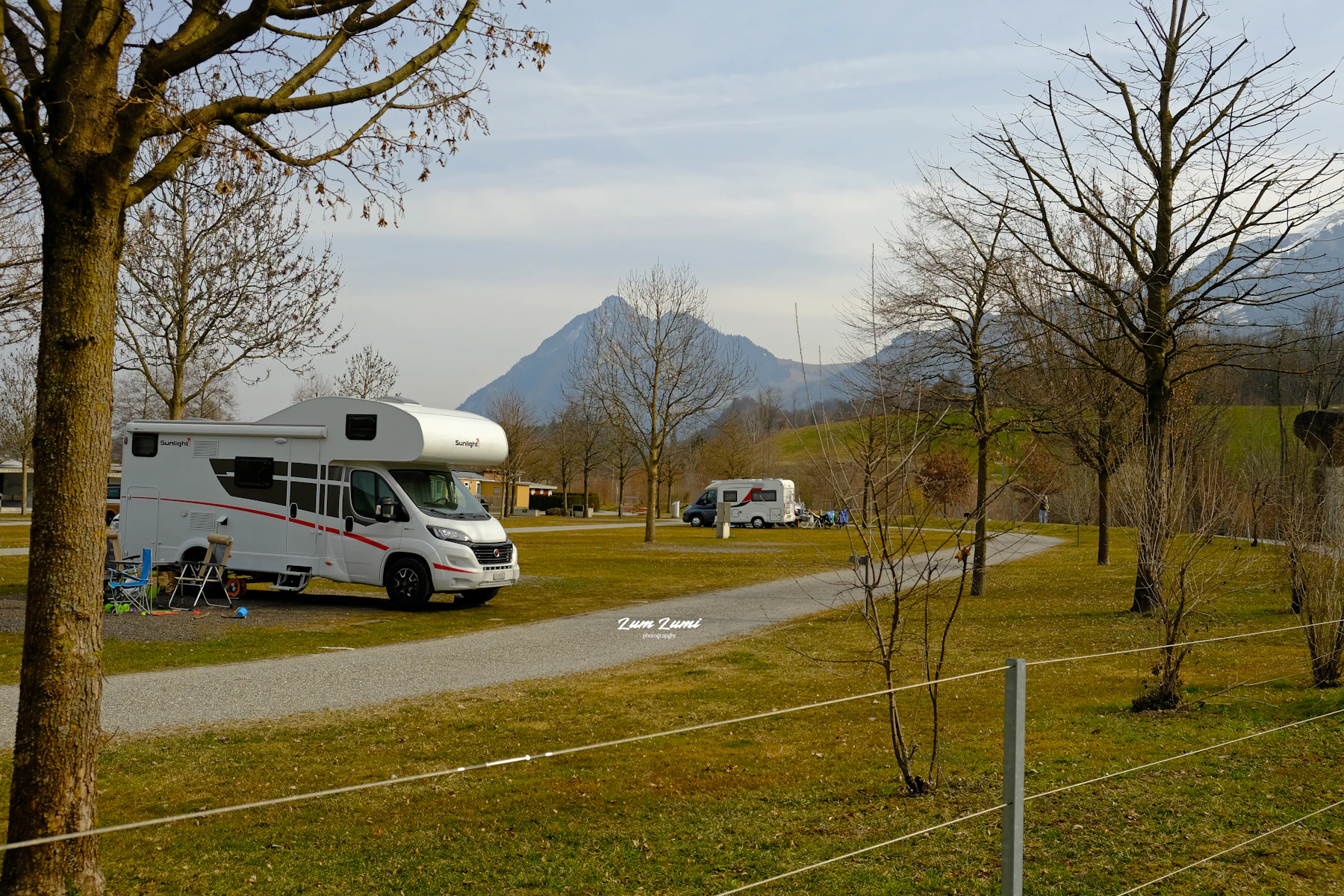 StellplatzFree
Bavaria · Germany
Checked Jul 22
StellplatzFree to park, pay for servicesBavaria · Germany
Checked Jul 22
StellplatzFee not statedBavaria · Germany
Checked Aug 23
StellplatzFreeBavaria · Germany
Checked Jul 22
StellplatzFreeBavaria · Germany
Checked Jul 22
StellplatzFreeBavaria · Germany
Checked Jul 22
StellplatzFreeBavaria · Germany
Checked Jul 22
StellplatzFreeBavaria · Germany
Checked Jul 22
StellplatzFreeBavaria · Germany
Checked Jul 22
StellplatzFreeBavaria · Germany
Checked Jul 22
StellplatzFreeBavaria · Germany
Checked Jul 22
StellplatzFreeBavaria · Germany
Checked Jul 22
StellplatzFreeBavaria · Germany
Checked Jul 22
StellplatzFreeBavaria · Germany
Checked Jul 22
03 · Before you go
What you are arriving at
In Bavaria a stopover here means a Stellplatz, a motorhome stopover designated by the Gemeinde or a local operator. Usually marked bays with a service point, signed from the road.
Fees
Free parking and free services are two different things. Where a place charges for water or power, its own page says so. Carry coins for the ones with no price posted.
Season
17 of these 91 stopovers publish opening hours. The rest do not. Where no season is published, treat the water as something to confirm rather than something to plan around, and arrive with a full tank in the cold months.
04 · The detail
Bavaria is where most people picture German motorhome travel, and the picture is usually the Alps. The free stopovers are nowhere near them.
The free places are in market towns: a corner of a Festplatz, a strip beside a Freibad, a car park behind a Mehrzweckhalle. They are in Franconia and the Oberpfalz far more than in Oberbayern. A trip built on them is a trip through the Main valley, the Rhön, the Steigerwald, the Fichtelgebirge and the Bayerischer Wald foothills, not a trip along the Alpenstraße. That is a real constraint, and it is better to know it before you plan than after.
If the word Stellplatz is new, start with the Germany page. It is a looser category than the French aire, and the difference matters most in a state this large.
The Bavarian pattern is the standard German one: free or cheap to stand, metered to fill and empty.
Krumbach in Schwaben publishes it plainly. Three spaces, described on the town’s own page as a Gebührenfreier Stellplatz, electricity, fresh water, a cassette point and a gray water drain, with a vehicle length limit of 6 meters. Bayreuth’s Parkplatz Grünewaldstraße at the Volksfestplatz is free for up to 72 hours with a Parkscheibe, and then charges separately: 1 euro for 50 liters of water, 1 euro to empty a cassette, 1 euro for 2 hours of electricity at the pitches that have it, coin operated and 1 euro coins only.
Marktleuthen in the Fichtelgebirge is the generous end. Ten spaces, free, and the town states that both the electricity connection and the supply and disposal facilities can be used at no cost. Schwandorf in the Oberpfalz is close behind: free to stand, a free supply and disposal station, and electricity at 50 cents per kilowatt hour from a coin meter.
Then there is the other direction. Vohenstrauß is labeled free on the map, and its own town page now states 10 euros per night including power and water from 1 April 2025, dropping to 2 euros between 1 November and 31 March when the electricity is disconnected. Open the town page for any night you are counting on costing nothing.
Set locally, and short where it is set at all. Bayreuth publishes 72 hours. Schwandorf publishes a maximum of one week, which is generous by German standards. Most of the small-town sites publish nothing, which usually means the limit is on the board at the entrance and nowhere else.
For anything about what the law permits away from a designated Stellplatz, go to the Germany country page. That is federal and Land law rather than anything Bavaria’s Gemeinden decide, so it reads the same wherever in the state you are parked.
Water is the thing winter takes, not access. Bavarian Gemeinden say this in their own words. Krumbach states that in the winter months the water supply and disposal are not usable. Vohenstrauß states that fresh water is unavailable in the winter months and that the power is off from 1 November to 31 March. Weißenburg states that its supply and disposal station closes during frost periods. Schwandorf, unusually, publishes a threshold instead of a season and says its station is usable down to minus 5 Celsius. Four different towns, one mechanism: standing water in an exposed pipe freezes and splits it.
Elevation beats latitude. A site in the Bayerischer Wald or high in the Fichtelgebirge will be affected earlier and for longer than one on the Main at the same date. Treat any winter stop as a park-only stop and fill your tank where you know you can.
Alpine roads close, and the diversion is the route. Reopening dates move with the snow rather than with the calendar. Check the road authority for the specific pass on the days you are driving, and plan the day around the signed diversion rather than the direct line on the map.
Summer is when the festivals close the sites. This is the Bavarian quirk worth planning around. Weißenburg closes its Limesbad Stellplatz for the whole of August for the Kirchweih. Schwandorf blocks its site for the week before, the week of and the week after the Volksfest, usually late May into early June. A Festplatz stopover is on a festival ground, and the festival wins.
174 free places are mapped across Bavaria, the largest count of any German state here. Treat it as a floor rather than a total: a blank part of the map is unmapped rather than empty. Where this comes from
84 of them have a full page here, each one linked to the operator’s own listing, which is the quickest way to confirm a site before you drive to it. 26 of those name the Stadt or Gemeinde that runs them. Two to plan around:
The board at the entrance and the Gemeinde’s current guidance beat this page. A free site starts charging, a barrier goes up, a Festplatz gets booked for a Volksfest. None of that reaches a map the day it happens, and all of it reaches the board at the entrance.
05 · Frequently asked
The parking often is. The services usually are not, and the two are priced separately. Krumbach in Schwaben calls itself a Gebührenfreier Stellplatz, three spaces, vehicles up to 6 meters. Bayreuth's Parkplatz Grünewaldstraße is free for up to 72 hours with a Parkscheibe, then charges 1 euro per 50 liters of water, 1 euro to empty a cassette and 1 euro for 2 hours of electricity. Marktleuthen is the generous end: its own page says the electricity and the supply and disposal facilities can all be used free of charge. Carry 1 and 2 euro coins. Coin meters are still the norm.
Barely. Two of the 84 Bavarian sites written up here are anywhere near the mountains: the Feuriger Tatzlwurm above Oberaudorf, and the Wellenfreibad car park at Peiting. Nothing in the Berchtesgadener Land, nothing in the high Allgäu valleys, nothing on the Tegernsee, Chiemsee or Königssee. The rest cluster in Lower and Upper Franconia, the Oberpfalz, Swabia and the Danube towns. The alpine districts are heavily built out with paid Stellplätze and campsites, so budget for paid nights in the mountains and take the free ones on the way in and out.
Often not, and the Gemeinden say so on their own pages. Krumbach states that in the winter months the water supply and disposal are not usable. Vohenstrauß states that fresh water is not available in the winter months and that the electricity is switched off from 1 November to 31 March. Weißenburg states that its supply and disposal station closes during frost periods. Schwandorf is the outlier and says its station works down to minus 5 Celsius. The parking usually stays open when the water does not.
Events. Several Bavarian Gemeinden close their Stellplatz outright for the local festival. Weißenburg shuts the Limesbad site for the whole of August for the Weißenburger Kirchweih. Schwandorf blocks its site for the week before, the week of and the week after the annual Volksfest. Neither is unusual, and neither shows up in the map data. Check the Gemeinde page for the dates you are traveling.
84 are on the map, the most of any German state here, each with its own page. On a route through the Bayerischer Wald or the Rhön, where the towns are further apart, have a second option in mind for the night.
06 · Nearby