What you are arriving at
What the sign says
In Lower Saxony a stopover here means a Stellplatz, a motorhome stopover designated by the Gemeinde or a local operator. Usually marked bays with a service point, signed from the road.


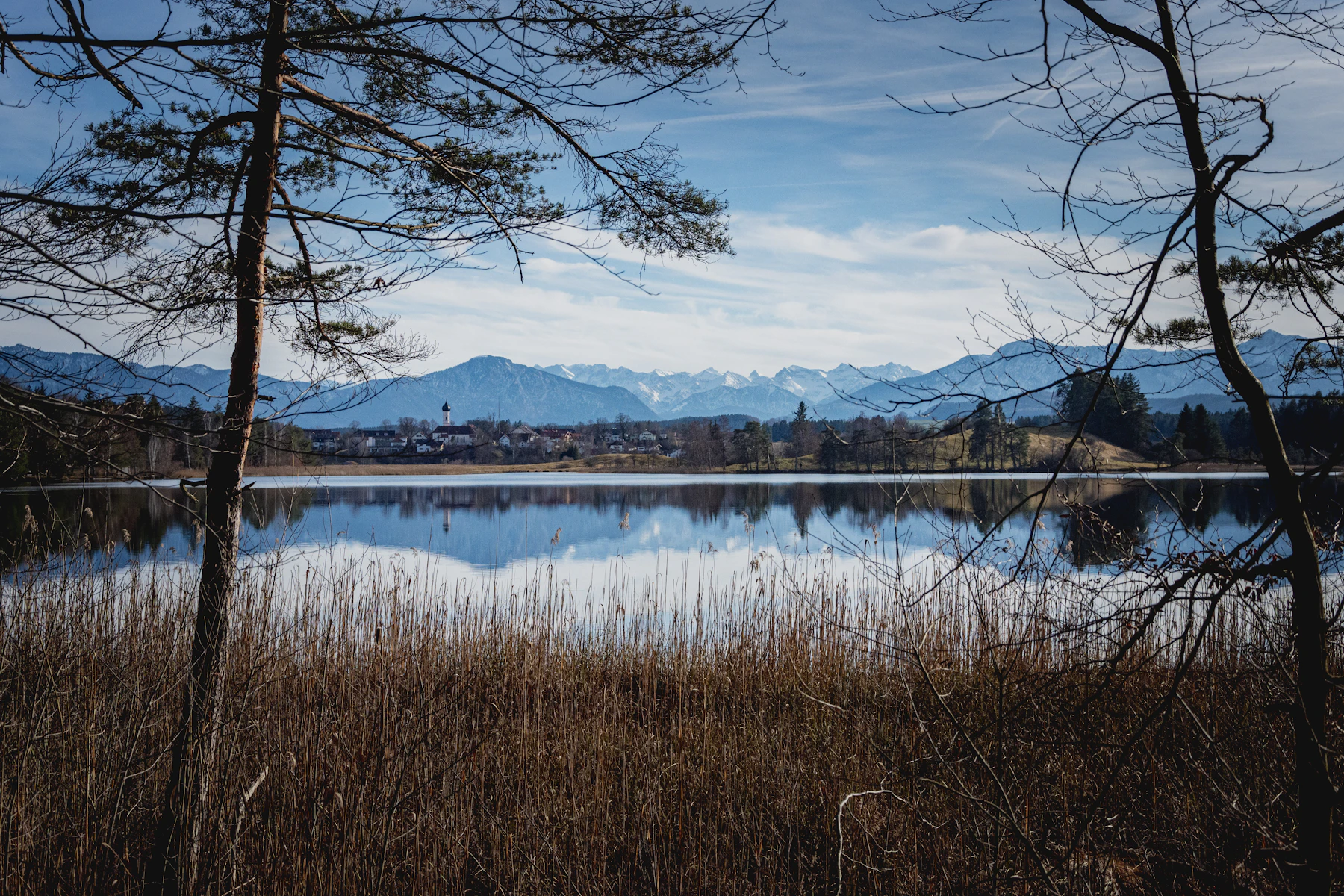
Lower Saxony has 42 Stellplätze written up in full and on the map, and the honest headline is that they are inland. The coast, the East Frisian islands and the Harz, which is what most people come for, are where the free stopovers are thinnest.
01 · Map
02 · Every place · 74
Group 01 · Lower Saxony
 StellplatzFree to park, pay for services
Lower Saxony · Germany
Checked Jul 22
 StellplatzFree
Lower Saxony · Germany
Checked Jul 22
 StellplatzFree
Lower Saxony · Germany
Checked Jul 22
StellplatzFreeLower Saxony · Germany
Checked Jul 22
 StellplatzFee not stated
Lower Saxony · Germany
Checked Mar 3
StellplatzFreeLower Saxony · Germany
Checked Jul 22
StellplatzFreeLower Saxony · Germany
Checked Jul 22
StellplatzFree to park, pay for servicesLower Saxony · Germany
Checked Jul 22
StellplatzFree to park, pay for servicesLower Saxony · Germany
Checked Jul 22
StellplatzFree to park, pay for servicesLower Saxony · Germany
Checked Jul 22
 StellplatzFree
Lower Saxony · Germany
Checked Jul 22
StellplatzFee not statedLower Saxony · Germany
Checked Dec 17
StellplatzFee not statedLower Saxony · Germany
Checked Mar 24
StellplatzFee not statedLower Saxony · Germany
Checked Jul 14
StellplatzFee not statedLower Saxony · Germany
Checked Jul 14
StellplatzFreeLower Saxony · Germany
Checked Jul 22
StellplatzFreeLower Saxony · Germany
Checked Jul 22
StellplatzFreeLower Saxony · Germany
Checked Jul 22
StellplatzFreeLower Saxony · Germany
Checked Jul 22
StellplatzFee not statedLower Saxony · Germany
Checked Jul 9
StellplatzFee not statedLower Saxony · Germany
Checked May 12
StellplatzFreeLower Saxony · Germany
Checked Jul 22
StellplatzFreeLower Saxony · Germany
Checked Jul 22
StellplatzFreeLower Saxony · Germany
Checked Jul 22
StellplatzFreeLower Saxony · Germany
Checked Jul 22
StellplatzFree to park, pay for servicesLower Saxony · Germany
Checked Jul 22
StellplatzFee not statedLower Saxony · Germany
Checked Mar 11
StellplatzFee not statedLower Saxony · Germany
Checked Mar 11
StellplatzFee not statedLower Saxony · Germany
Checked Mar 11
StellplatzFee not statedLower Saxony · Germany
Checked Mar 11
03 · Before you go
What you are arriving at
In Lower Saxony a stopover here means a Stellplatz, a motorhome stopover designated by the Gemeinde or a local operator. Usually marked bays with a service point, signed from the road.
Fees
Free parking and free services are two different things. Where a place charges for water or power, its own page says so. Carry coins for the ones with no price posted.
Season
8 of these 74 stopovers publish opening hours. The rest do not. Where no season is published, treat the water as something to confirm rather than something to plan around, and arrive with a full tank in the cold months.
04 · The detail
Lower Saxony is the second largest German state and it contains four completely different trips. The North Sea coast and the Wadden Sea, with the East Frisian islands offshore. The Harz in the southeast, the highest ground in northern Germany. The Lüneburger Heide in the middle. And the flat agricultural interior, the Emsland and the Oldenburger Land, which is where almost everybody drives through rather than to.
The free places sit almost entirely in that fourth category. Build the route around that, because the two parts of the state most people are aiming for, the coast and the Harz, are the two with the least free provision.
If Stellplatz is a new word, the Germany country page explains it and why it promises much less than a French aire.
Twist, on the Dutch border in the Emsland, publishes the shape clearly. Six large pitches in the town center, paved and adequately lit, usable year-round, and the Gemeinde states that no standing fee is charged. Water is a coin machine at 1 euro per 100 liters and electricity 1 euro per 1.5 kilowatt hours. There is a supply and disposal facility on site.
Barnstorf’s Middn in Dörp is smaller and even plainer: 3 pitches, free, water at 1 euro for about 80 liters, electricity at 1 euro for 8 hours, free disposal, and a stated position of no stay restriction and year-round opening. Schöningen runs 8 free pitches at the Badezentrum Negenborn with modern supply and disposal units. Duderstadt’s Parkplatz Adenauerring is listed by the regional tourism body as gebührenfrei, free of charge, with nothing else stated. Arrive with coins for the services and read the board for the limit.
Unterlüß on the Lüneburger Heide is free for up to 10 motorhomes, on grass, with an eight-outlet power column at 50 cents per kilowatt hour, and the listing is honest enough to say visitors need to be largely self-sufficient. That is a fair description of a lot of what is in this state.
Alfeld on the Leine illustrates the trap better than any general advice would. Two small free sites, 2 to 4 pitches in the old town and 4 to 6 at the 7 Berge Bad, power available on a key issued by the Bürgerbüro. Chemical toilet disposal is free, but it happens at the sewage treatment works, and only Monday to Thursday 08:00 to 15:00 and Friday 07:00 to 11:00. Arrive on a Saturday and you are carrying it to the next town.
Plan the service stop separately from the overnight stop. That is true across Germany and it is especially true in a state where a lot of the free provision is a village car park with a power post.
Winter takes the water. The mechanism is on the country page: an exposed pipe with standing water in it freezes and splits, so municipalities drain the supply columns over the cold months. The parking usually stays open when the water does not. Twist states its pitches can be used year-round, which is a statement about access rather than a guarantee of running water in February.
The Harz is the part that behaves like a mountain range. It holds snow, and upland roads and services are affected earlier and longer than the coastal plain. Check with the local authority for the route you plan to drive, and fill up on the plain before you go up.
The coast has a short, crowded season. The North Sea summer here is brief and it is when the whole strip fills, from the Ostfriesland mainland to the islands. If your plan depends on finding space near the coast in July or August, it is not a plan. The inland sites in the Emsland and around Oldenburg stay findable when the coast does not, which is the practical argument for sleeping inland and driving out to the sea for the day.
Wind, not temperature, decides the comfort. This is the North German Plain and there is very little between you and the sea. An exposed pitch on open grass in an autumn northwesterly is a rough night, and there is usually a sheltered alternative in the next village. That is a comfort call, not a rules one.
132 free places are mapped across Lower Saxony. Treat the count as a floor rather than a total: a blank part of the map is unmapped rather than empty. Where this comes from
42 of them have a full page here, each one linked to the operator’s own listing. Only 9 of those name the Gemeinde outright, the thinnest attribution of any state here, so more of the checking happens at the entrance board. Two to plan around:
The board at the entrance and the Gemeinde’s current guidance beat this page. Read what is posted where you actually stop.
05 · Frequently asked
No. None of the 18 Lower Saxony sites with an official page to check are on the North Sea coast, on an East Frisian island, or in the Harz. They are inland: Twist and Haren in the Emsland, Ganderkesee and Ahlhorn near Oldenburg, Diepholz, Barnstorf, Uchte, Unterlüß on the heath, Alfeld and Schöningen. The coast is the busiest tourism strip in the state and its overnight parking is mostly built out as paid Stellplätze and campsites, so book the coast nights and take the free ones inland.
Free to stand, metered to fill and empty, is the pattern. Twist in the Emsland states that no standing fee is charged for its 6 paved and lit pitches in the town center, with drinking water at 1 euro per 100 liters and electricity at 1 euro per 1.5 kilowatt hours from coin machines, usable year-round. Barnstorf's Middn in Dörp is 3 pitches, free, with water at 1 euro for roughly 80 liters, electricity at 1 euro for 8 hours, and free disposal. Unterlüß on the heath is free for up to 10 motorhomes with power at 50 cents per kilowatt hour.
Most Lower Saxony sites publish no limit at all, and one publishes the opposite. Barnstorf states keine Einschränkung, ganzjährig, no restriction and year-round, which is unusually generous and unusual to see written down. Where no limit is published, read the sign at the entrance, because that is where the number will be and it beats this page.
Opening hours, at some of the smaller towns. Alfeld runs free chemical toilet disposal, but at the sewage treatment works and only on weekdays, Monday to Thursday 08:00 to 15:00 and Friday 07:00 to 11:00. Unterlüß tells visitors on its own listing that they need to be largely self-sufficient. Plan the service stop rather than assuming the overnight stop is one.
42 are on the map, each with its own page. Plan the service stop separately from the overnight stop and you will be fine on most of these.
06 · Nearby