What you are arriving at
What the sign says
In Schleswig-Holstein a stopover here means a Stellplatz, a motorhome stopover designated by the Gemeinde or a local operator. Usually marked bays with a service point, signed from the road.


Schleswig-Holstein has 58 free places between the North Sea and the Baltic, the smallest count of any German state here, and only 7 of them survive as a written-up motorhome stopover. A lot of what looks like provision here is walk-in tent camping.
01 · Map
02 · Every place · 7
Group 01 · Schleswig-Holstein
 StellplatzFree
Schleswig-Holstein · Germany
Checked Jul 22
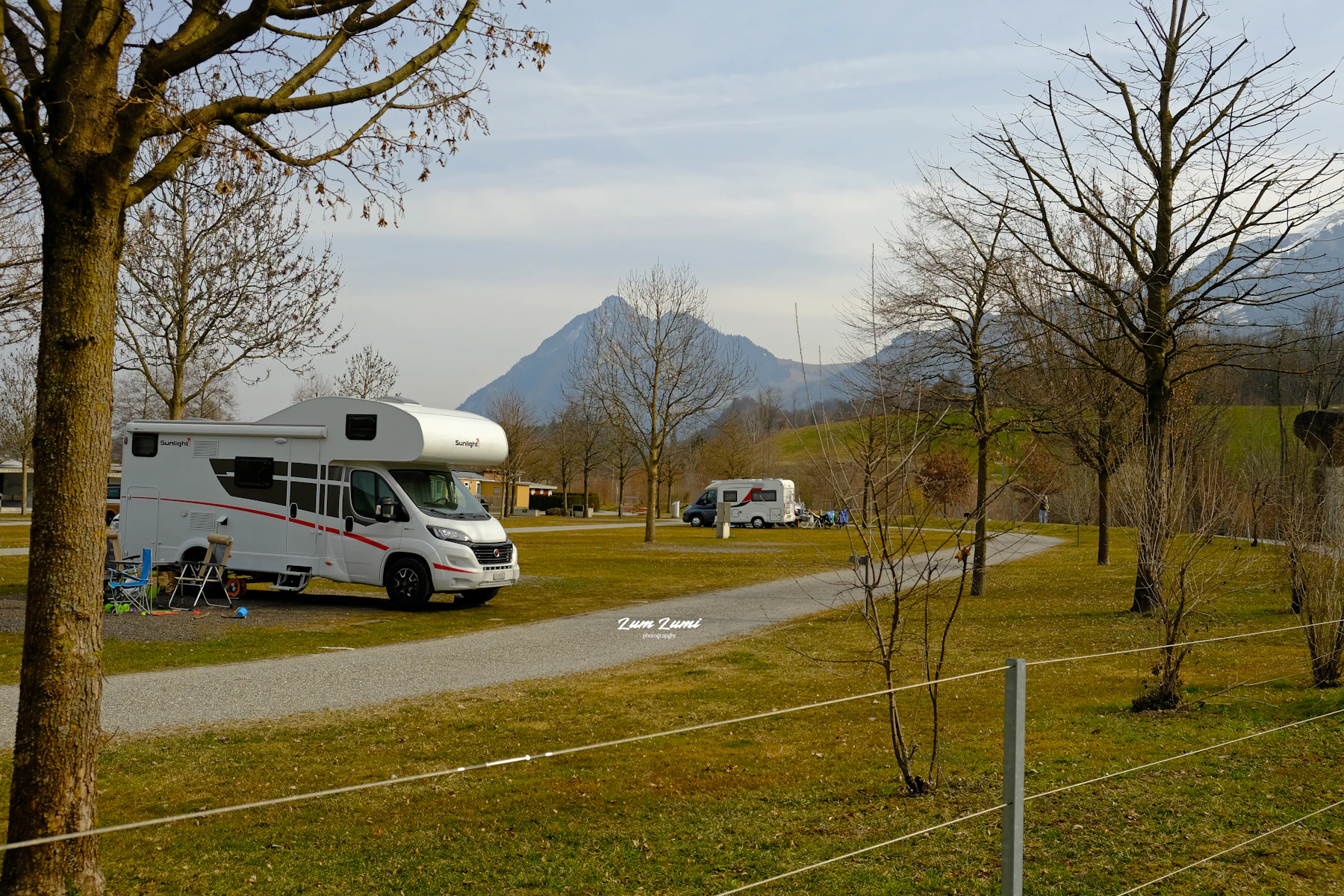 StellplatzFree to park, pay for services
Schleswig-Holstein · Germany
Checked Jul 22
StellplatzFree to park, pay for servicesSchleswig-Holstein · Germany
Checked Jul 22
 StellplatzFree
Schleswig-Holstein · Germany
Checked Jul 22
 StellplatzFree
Schleswig-Holstein · Germany
Checked Jul 22
StellplatzFreeSchleswig-Holstein · Germany
Checked Jul 22
StellplatzFreeSchleswig-Holstein · Germany
Checked Jul 22
03 · Before you go
What you are arriving at
In Schleswig-Holstein a stopover here means a Stellplatz, a motorhome stopover designated by the Gemeinde or a local operator. Usually marked bays with a service point, signed from the road.
Fees
Free parking and free services are two different things. Where a place charges for water or power, its own page says so. Carry coins for the ones with no price posted.
Season
None of these stopovers publishes opening hours. Where no season is published, treat the water as something to confirm rather than something to plan around, and arrive with a full tank in the cold months.
04 · The detail
Schleswig-Holstein is the hardest German state on this site to stop free in, and that is worth knowing before you cross the border into it.
It is a narrow state between two seas. The North Sea side is the Wadden Sea, the Halligen and the islands, with Sylt reached by the car train at Niebüll. The Baltic side is bays, beech woods and small harbors. The Danish border runs across the top and the traffic through it is heavy in both directions. It is a popular place to travel, and there is not much free provision recorded in it.
58 free places are mapped, and only 7 of them hold up as a motorhome stopover with a working official page. A good part of the rest is the Stiftung Naturschutz network of Trekkingplätze, which is walk-in tent camping and no use to you in a van. Budget for a paid night here more often than you would elsewhere in Germany.
If Stellplatz is a new word, the Germany country page explains it and why it promises much less than a French aire.
Elmshorn is real, and thinner than the map says. The town publishes a free year-round motorhome area at the harbor and states in the same breath that sanitary facilities are not available and neither is the disposal station. The map records both. The town’s page wins, so treat it as free parking with no services and arrive already serviced. It closes for the harbor festival on the last weekend in August, and the town has flagged the site for possible relocation as part of a redevelopment of the Krückau and Vormstegen area.
Four of the eight are Trekkingplätze, and those are tents only. These are designated single-night pitches for people arriving on foot or by bicycle, run in Schleswig-Holstein under a conservation-foundation scheme. The Hattstedt site north of Husum takes one to three small tents with up to three people each, permits one overnight stay, has a composting toilet, a water tap and a fire pit, and prohibits open fires. Mönchneversdorf, on a farm in Ostholstein, is the same format and requires you to register with the operator before you arrive. Both are worth knowing about. Neither takes a vehicle.
One is a paid Autohof. Scandinavian Park at Handewitt near the Danish border has around 200 spaces for trucks and large motorhomes. Free for 1.5 hours, then 10 euros up to 5 hours, 15 euros up to 24, 25 euros up to 48, 35 euros up to 72, and 10 euros per day after that. Toilets and showers cost extra. The country page explains why an Autohof is a special case: it is private property, so the operator sets the terms and posts them at the entrance.
One is not a stopover at all. The website behind one Sylt pin belongs to an annual event rather than to a designated camping or parking site. Do not plan a night on it.
Of the eight, one is what the map says it is, and even that one is missing facilities the map records. Read the official page before you build an evening around any of them.
The season is short and the crowd is concentrated in it. Both coasts fill during the German school summer holidays and empty afterward. If you want the Wadden Sea or an Ostsee bay in July or August without a booking, expect to spend the evening driving. In May, September and October the same coast is quiet.
Winter takes the water, as it does everywhere in Germany. Municipalities drain exposed supply and disposal columns over the cold months so the pipes do not freeze and split. This is the mildest and lowest German state, so the effect arrives later here than in the Harz or the Schwarzwald, but the parking outliving the water is still the pattern. The country page sets out the mechanism.
Wind decides comfort far more than temperature. There is nothing between an open coastal car park and the sea. A northwesterly on the Nordsee side or an easterly across the Ostsee makes an exposed pitch genuinely unpleasant, and a sheltered spot a few kilometers inland is a different night entirely. That is a comfort call, not a rules one, and it is the one that spoils most nights up here.
The Trekkingplätze are a seasonal proposition too. Neither publishes an opening season. Contact the operator before you set out, which both require anyway, and ask about the season while you are on the phone.
58 free places are mapped across Schleswig-Holstein, the smallest count of any German state here. Treat it as a floor rather than a total: a blank part of the map is unmapped rather than empty. Where this comes from
7 of them have a full page here, each linked to the operator’s own listing, and those are the ones set out above. None of the 7 names a Gemeinde outright, the only German state here where that is true, so the entrance board is doing more of the work than usual. Wilster has no working official page, so nothing is published about it at all. Read the board, and have a fallback for that leg.
The board at the entrance and the current guidance from the town, the operator or the foundation beat this page. In this state more than any other German one here, the map and the official page disagree. Read the sign.
05 · Frequently asked
No. A Trekkingplatz is a designated one-night wild-camping pitch for tents, and both of the ones here are explicit about it. The Hattstedt site north of Husum states that the offer is for people traveling by bike or on foot, allows one to three small tents with a maximum of three people each, permits a single overnight stay, and provides a composting toilet, a water tap and a fire pit while prohibiting open fires. The Mönchneversdorf site on a farm in Ostholstein carries the same one-night and tent-only conditions and requires you to register with the operator in advance. They are good, and they are not vehicle stopovers.
No. Scandinavian Park at Handewitt has roughly 200 spaces set aside for trucks and large motorhomes, and parking is only free for the first 1.5 hours. After that it publishes 10 euros up to 5 hours, 15 euros up to 24 hours, 25 euros up to 48 hours, 35 euros up to 72 hours and 10 euros for each further day. Toilets and showers cost a small fee. It is a private Autohof, so the operator sets the rules and posts them, which is the point the country page makes about Autohöfe generally.
Sometimes less than the map says. Elmshorn's harbor site is genuinely free and open year-round, and the town states plainly that there are no sanitary facilities and no disposal station, though the map records both. Treat it as free parking and nothing else, so arrive already serviced. It closes for the harbor festival on the last weekend of August, and the town has flagged the site for possible relocation as part of a redevelopment.
Not in July and August if you have not booked something. Both coasts have a short season and the whole strip fills during it, from Sylt and the Halligen on the North Sea side to the Ostsee bays around Eckernförde and Fehmarn. Outside the school holidays the same coast is quiet and windy. Wind is the thing that decides comfort here far more than temperature, because there is nothing to break it.
57, the smallest count of any German state here. In practice, plan on paying more nights in this state than you would in Bavaria or Baden-Württemberg.
06 · Nearby