What you are arriving at
What the sign says
In Piedmont a stopover here means an area di sosta camper, a stopover designated by the comune. Usually a marked car park with a service point.


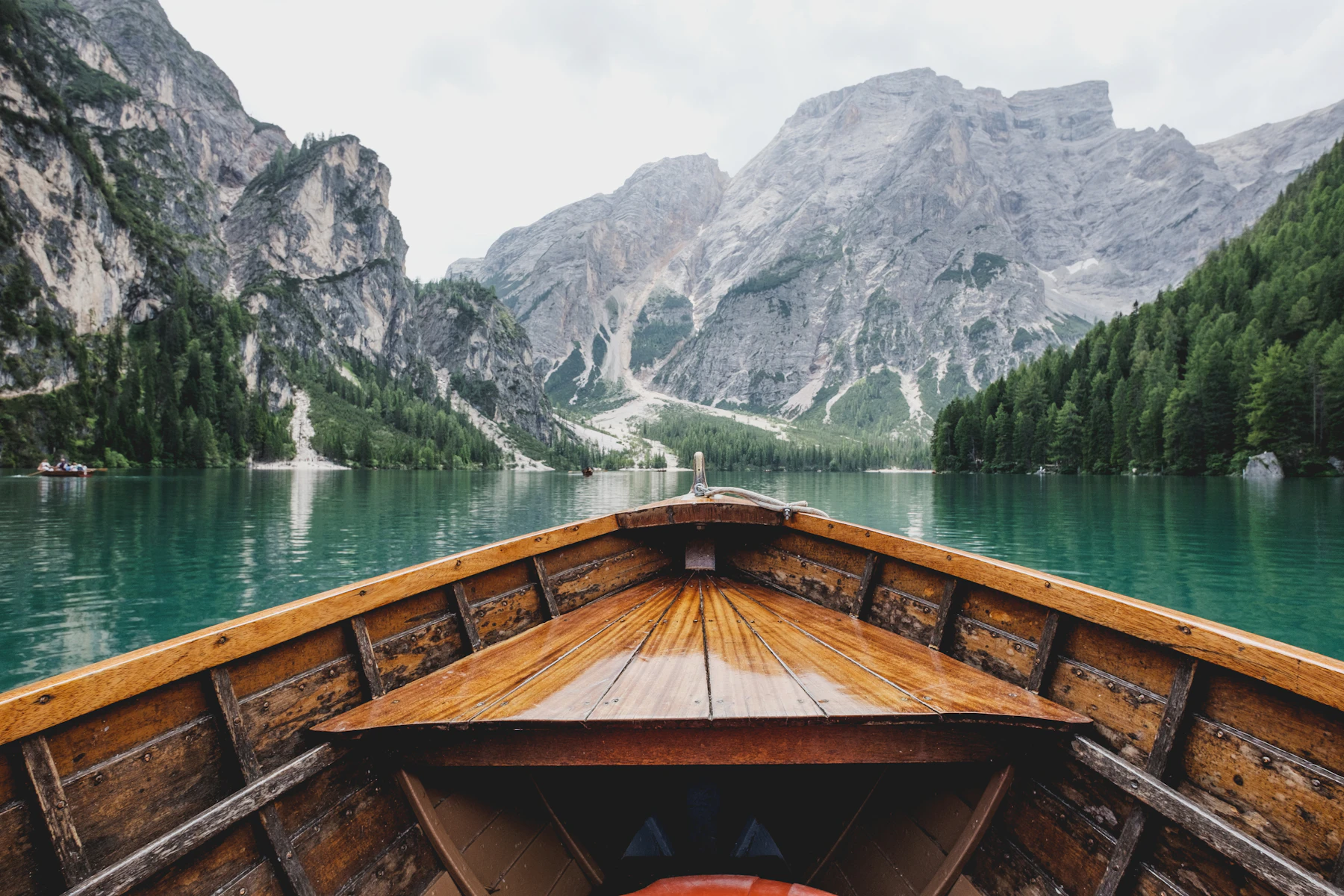
Piedmont has more motorhome stopovers than any other Italian region on this site, and they are mostly the work of very small comuni: a corner of a car park in a wine village, a levelled terrace at the top of an alpine valley. Every one here was checked against the page where the comune, or its provincial tourism agency, says it exists.
01 · Map
02 · Every place · 20
Group 01 · Piedmont
 SostaFee not stated
Piedmont · Italy
Checked Jul 22
SostaFee not statedPiedmont · Italy
Checked Jul 22
SostaPaidPiedmont · Italy
Checked Jul 22
SostaFree to park, pay for servicesPiedmont · Italy
Checked Jul 22
 SostaFree to park, pay for services
Piedmont · Italy
Checked Jul 22
SostaFreePiedmont · Italy
Checked Jul 22
SostaFee not statedPiedmont · Italy
Checked Jul 22
SostaFee not statedPiedmont · Italy
Checked Jul 22
SostaFreePiedmont · Italy
Checked Jul 22
SostaFree to park, pay for servicesPiedmont · Italy
Checked Jul 22
SostaFee not statedPiedmont · Italy
Checked Jul 22
SostaFee not statedPiedmont · Italy
Checked Jul 22
SostaFree to park, pay for servicesPiedmont · Italy
Checked Jul 22
SostaFreePiedmont · Italy
Checked Jul 22
SostaFee not statedPiedmont · Italy
Checked Jul 22
SostaFee not statedPiedmont · Italy
Checked Jul 22
SostaFreePiedmont · Italy
Checked Jul 22
SostaFee not statedPiedmont · Italy
Checked Jul 22
SostaFee not statedPiedmont · Italy
Checked Jul 22
SostaFreePiedmont · Italy
Checked Jul 22
03 · Before you go
What you are arriving at
In Piedmont a stopover here means an area di sosta camper, a stopover designated by the comune. Usually a marked car park with a service point.
Fees
Free parking and free services are two different things. Where a place charges for water or power, its own page says so. Carry coins for the ones with no price posted.
Season
2 of these 20 stopovers publish opening hours. The rest do not. Where no season is published, treat the water as something to confirm rather than something to plan around, and arrive with a full tank in the cold months.
04 · The detail
Piedmont is the corner of Italy that touches France and Switzerland, and it is three landscapes rather than one. The rice plains and Turin in the middle. The wine hills of the Langhe, the Roero and the Monferrato to the south, which UNESCO listed in 2014. And the Alps around the top and the western edge, where the valleys run up to the Colle del Nivolet and the Susa passes.
The stopovers follow that shape. In the wine hills they are small, often four to eight pitches, put in by comuni of a few hundred people who worked out that a motorhome parked overnight buys wine in the morning. In the mountains they are higher, emptier and seasonal.
Every place on this page is one where a named public body says the stopover exists: the comune on its own website, an ordinanza or a regolamento, or the ATL, the provincial tourism agency that Piedmont’s regional law sets up to handle exactly this.
That bar is why the list is shorter than the number of pins you will see on a commercial app. Piedmont has hundreds of places tagged as motorhome stopovers in OpenStreetMap. Rather fewer of their comuni have published a page saying so, and until one does, we have a rumor rather than a fact.
Castiglione Falletto sits in the middle of the Barolo villages, and its sosta is beside the municipal sports area below Piazzale Vassallo. Belveglio and Berzano di San Pietro in the Asti hills are both small, both free to park, both metered for water and electricity. San Salvatore Monferrato is lit, has cameras, and carries water and electricity.
This is the part of Piedmont worth planning a slow week around. The villages are close together, the roads between them are good, and the areas are free often enough that the trip costs very little once you are there.
Two practical notes. These are hill villages with medieval centers, so the ZTL cameras apply and a 7m van has no business in the old streets: park at the sosta and walk up. And in September and October the vendemmia, the grape harvest, fills every space in the wine villages with people who are working.
Meana di Susa has seven places with water and no hook-up, in the valley that carries the road to the Moncenisio. Rueglio is up in the Canavese behind Ivrea. Sagliano Micca is in the Biellese, and its rule is unusual enough to read twice: 10 non-consecutive days within a calendar month.
Altitude changes the trip. Passes close, service points get drained before the first freeze, and a stopover that is pleasant in July is a car park in a snow bank in February. Where a page publishes a season, it is on the individual entry. Where it does not, treat the cold months as a question rather than an assumption.
Pinerolo, at the mouth of the Val Chisone, publishes the most useful page of any comune here: free, 120 hours, lighting, drinking water, waste pits and electrical columns. Chivasso has six pitches on piazza Libertini and won regional money in January 2026 to rebuild them. Garessio, down in the Ligurian Alps, is a camper service rather than a stopover, which is a distinction worth keeping straight: somewhere to fill and empty is not necessarily somewhere to sleep.
More than you would think. Sala Monferrato closed its area on 18 May 2026 for rebuilding, and the comune posted the notice three days before. Places move in the other direction too, from free to paid, without much warning.
That is the argument for opening the source link on any page here before a long detour, and for reading the board at the entrance when you arrive. The sign at the gate and the comune’s current word beat this website, every time.
The legal position is national and it is short: article 185 of the Codice della Strada says a motorhome resting on the ground only through its wheels, taking up no more road than the vehicle itself, is parked rather than camped. What it does not do is give you permission to park anywhere. That belongs to the comune. The Italy country page has the article in the original, along with what ZTL cameras do to foreign plates.
05 · Frequently asked
Most of the ones mapped here are free to park, and a good number of those still charge for what you draw. Berzano di San Pietro puts it plainly: the parking is free for one or two nights, and the light and water are paid. Rueglio charges a euro per kilowatt hour at the colonnina. That pattern, free to stop and metered to fill, is the most common one in Piedmont, so carry coins even when a page says gratuito.
It depends on the comune, and the range is wider than you would expect. Pinerolo publishes 120 hours. Belveglio's regolamento says 48. Sagliano Micca allows 10 non-consecutive days in a calendar month, which is a different kind of rule entirely. Where no limit is published, one or two nights is the norm and a van that looks settled in is the one that gets a knock on the door.
Both, and the name does not always tell you which. An area attrezzata usually has a service point, water and a drain and often an electric column. A punto sosta or a camper service may be a place to fill and empty with nowhere to sleep, or a bare strip of tarmac. Read the individual page, and where nothing is listed, arrive with a full water tank and an empty waste tank.
In the alpine valleys, over winter. Water left standing in an exposed pipe freezes and splits it, so service points at altitude are commonly drained from autumn. That is a general mechanism rather than a published rule, and it applies to municipal and private sites alike. From September onward in the mountains, fill up in the valley.
Yes. In April 2025 the Regione Piemonte announced funding for 68 interventions to build or modernise aree di sosta for turismo itinerante, spread across all seven provinces and worth close to 3.7 million euros. Several places on this site are in the middle of that work, which is why one or two carry a note saying the surface or the service point may have changed.
06 · Nearby