What you are arriving at
What the sign says
In Tuscany a stopover here means an area di sosta camper, a stopover designated by the comune. Usually a marked car park with a service point.


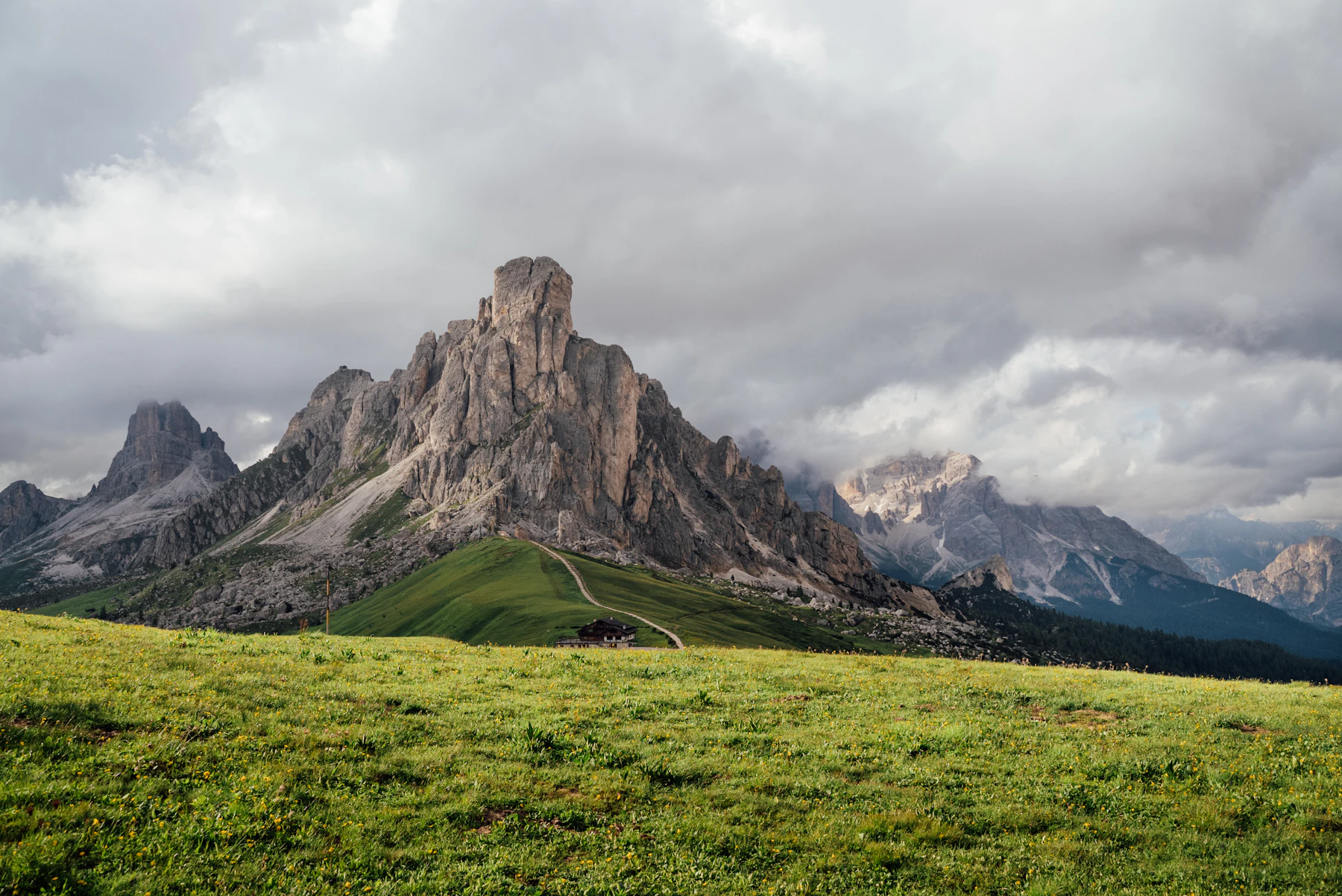
Tuscany's stopovers are not where the tour buses go. They are in the Apennine valleys north and east of Florence, and in the small hill towns of the interior, put in by comuni who would rather you parked at the edge of town and walked up than tried a medieval street in a 7m van.
01 · Map
02 · Every place · 9
Group 01 · Tuscany
SostaFee not statedTuscany · Italy
Checked Jul 22
 SostaFree
Tuscany · Italy
Checked Jul 22
 SostaPaid · 6 €/24h
Tuscany · Italy
Checked Jul 22
SostaFreeTuscany · Italy
Checked Jul 22
SostaFreeTuscany · Italy
Checked Jul 22
SostaFreeTuscany · Italy
Checked Jul 22
SostaFee not statedTuscany · Italy
Checked Jul 22
SostaFreeTuscany · Italy
Checked Jul 22
SostaFee not statedTuscany · Italy
Checked Jul 22
03 · Before you go
What you are arriving at
In Tuscany a stopover here means an area di sosta camper, a stopover designated by the comune. Usually a marked car park with a service point.
Fees
Free parking and free services are two different things. Where a place charges for water or power, its own page says so. Carry coins for the ones with no price posted.
Season
2 of these 9 stopovers publish opening hours. The rest do not. Where no season is published, treat the water as something to confirm rather than something to plan around, and arrive with a full tank in the cold months.
04 · The detail
Tuscany is the region everybody has already decided about, and the motorhome version of it is not the postcard. The stopovers are in the Mugello and the Casentino, the two Apennine valleys north and east of Florence, and in the small towns of the interior between Siena and the coast. The famous places either have no municipal stopover or have a ZTL where you would want to park.
That is not a complaint about Tuscany. It is the practical shape of the trip: sleep in the valleys and the small towns, and go into the cities without the van.
Every entry is one where a public body has published something about it. In practice that is one of three: the comune’s own website, an unione di comuni or ambito turistico covering a valley, or a municipal company acting for the comune.
The Unione Montana dei Comuni del Mugello does a good deal of that work, publishing a camper brochure covering its whole valley. It is cited on the individual place pages with the date of the document, because a listing from 2022 is worth less than one from this year and you should be able to see which one you are reading.
Marradi and Palazzuolo sul Senio are in the upper Mugello, close to the Emilia-Romagna border, on the road that crosses to Faenza. Marradi is chestnut country and has a station on the Faentina line, which is a genuinely useful thing about a stopover: you can leave the van and take the train into Florence in about an hour and a half.
Londa is on the eastern side, on its lake at the foot of the Casentino, and the comune governs its punto sosta by a regolamento of its own.
Firenzuola is the one to read carefully. It sits on the Futa pass road, and since August 2025 it has charged: 6 euros for 24 hours, 10 for two days, 15 for three, and 6 again for carico and scarico if you are not staying. OpenStreetMap still tags it free. It is not.
Vicopisano has an equipped area at piazza Comunardo Ferrucci, free, with a chemical toilet drain, water, lighting and cameras, and a second unequipped area along the Rio Grande about ten minutes’ walk from the historic center. Radicondoli and Monte San Savino are both free; Monte San Savino’s Spazio Fossatello has 22 pitches and is run by the comune’s own azienda speciale. Fosdinovo sits above the Lunigiana with its Malaspina castle, and its water and dump point is a short distance from the stopover rather than on it, which is the kind of detail worth knowing before you arrive with full tanks.
Almost every Tuscan town of any age has a zona a traffico limitato over its historic center, camera-enforced at each gate, and each gate is a separate violation. This is the single most common way a visiting driver picks up a fine they learn about months later.
Satnav will route you straight through one. The answer in a motorhome is the same as the answer on foot: park outside and walk in. The stopovers on this page are mostly positioned for exactly that.
Article 185 of the Codice della Strada is the national position and it is narrow: a motorhome resting on the ground only through its wheels, no wider than itself, is parked and not camped. Drop the levelling legs and you are outside it. What the article does not do is tell you that you may park in a given spot, which is the comune’s decision. The Italy country page carries the text and what follows from it.
05 · Frequently asked
Not on the strength of anything on this page. The stopovers mapped here are in the smaller comuni of the interior and the Apennine valleys, not in the two cities. Both have a ZTL over the historic center that is camera-enforced on every gate, and a foreign plate is not invisible to it. If you want a city day, park outside and use the bus or the train, and check the comune's own ZTL page before you drive in.
Some are, and fewer than you would hope. Firenzuola is the cautionary one: it was free, and since 13 August 2025 it charges 6 euros for 24 hours, with a 72 hour maximum. Crowd-sourced apps still show it free. Where a page here says free, it says who published that and when, so you can judge how old the claim is.
An area attrezzata is equipped: normally a drinking water tap and a drain for grey water and the chemical toilet, sometimes an electric column. A punto sosta is somewhere to stop, and may have nothing on it at all. Tuscan comuni use both terms and are not always consistent, so read what the individual page lists rather than the word on the sign.
Late spring and early autumn. August is when Italy itself is on holiday and the coast and the hill towns are at their fullest, and it is hot. The Apennine stopovers in the Mugello and the Casentino sit high enough to be pleasant in summer and cold in winter. The vendemmia in September fills the wine villages with people who are working rather than visiting.
There is no regional list to work from. Tuscany's own establishment register was withdrawn from publication, and the one camper dataset in the regional catalogue is a Florence-area layer untouched since 2012, so a crowd-sourced app here is often out of date. Open each comune's own page before you rely on it.
06 · Nearby