What you are arriving at
What the sign says
Nothing is listed in Aragon yet, so read the sign at whatever you find and treat that as the rule.

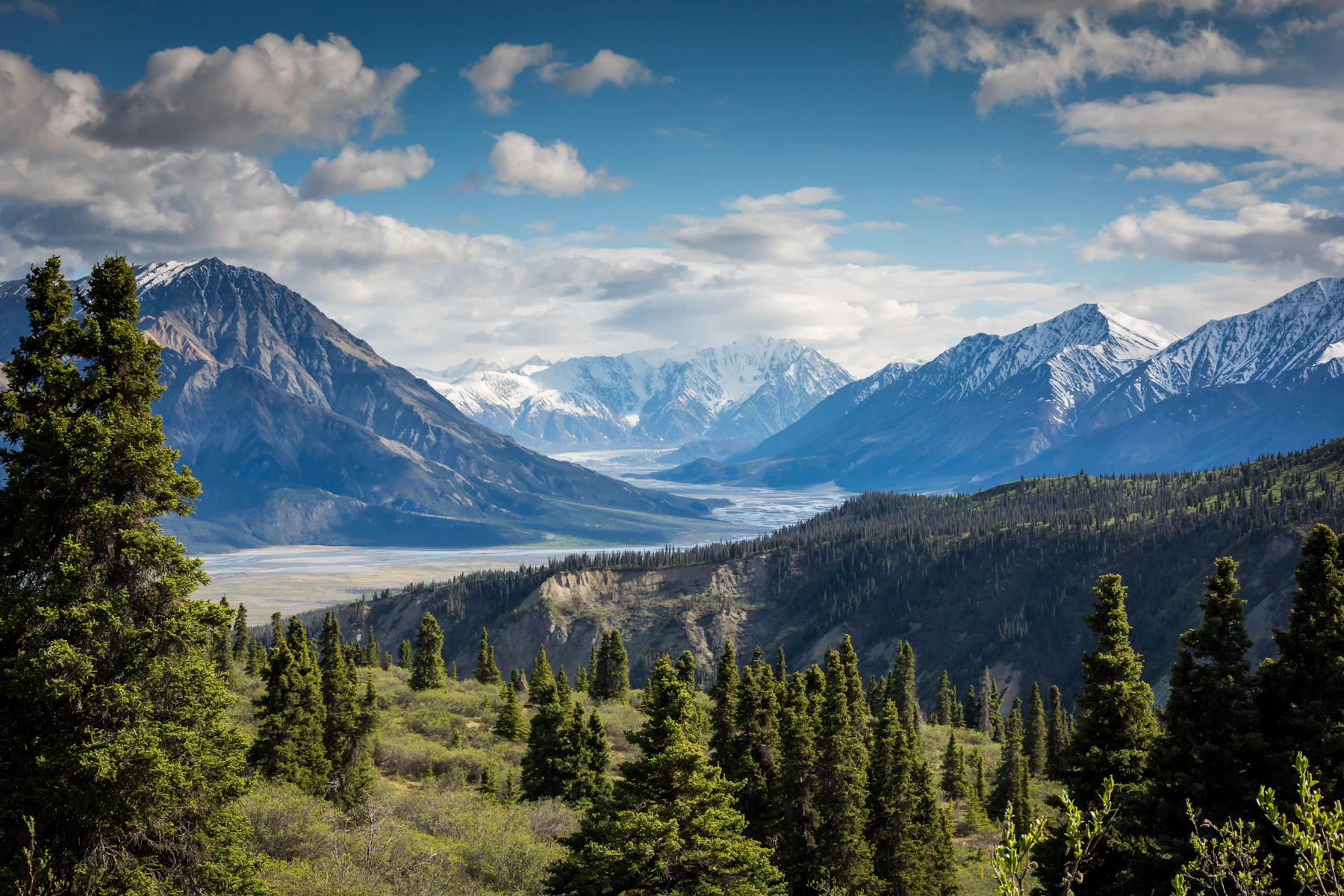
Aragon runs from the high Pyrenees through the semi-desert of the Monegros to the empty south of Teruel. Its áreas cluster in the Ebro and Jalón valleys through the middle; the Pyrenees and Teruel are much thinner.
01 · Map
02 · Every place · 0
Nothing here yet
Plan this leg around a neighboring region instead, and do not build the night around a listing copied off an app. The regions below have places you can check before you set off.
Regions in Spain that do have places:
03 · Before you go
What you are arriving at
Nothing is listed in Aragon yet, so read the sign at whatever you find and treat that as the rule.
Fees
Free parking and free services are two different things. Where a place charges for water or power, its own page says so. Carry coins for the ones with no price posted.
Season
None of these stopovers publishes opening hours. Where no season is published, treat the water as something to confirm rather than something to plan around, and arrive with a full tank in the cold months.
04 · The detail
Aragon is three different places sharing one comunidad autónoma, and the free stopover network sits almost entirely in the middle one.
In the north, the Pyrenees run along the French border, with Huesca province climbing from the Ebro plain through the Somontano into high valleys. Through the middle, the Ebro valley is dry, flat and irrigated, and where it is not irrigated it becomes the Monegros, a genuine semi-desert of low scrub and bare hills. In the south, Teruel is high, cold and thinly populated even by Spanish standards. Put together, this is one of the emptiest parts of western Europe.
The rainfall tells the story faster than the geography does. Zaragoza Aeropuerto records 322mm a year on AEMET’s 1981 to 2010 reference period. Santiago de Compostela, in Galicia, records 1,787mm. Both are Spain.
Small, municipal, recent, and often built as a piece of civic infrastructure with a published cost. That last part is unusual and it makes Aragonese town halls easier to verify than most.
Caspe, in the Bajo Aragón beside the Ebro reservoir, publishes more detail than anywhere else in the region. Its municipal page gives 8 parking spaces, free, with an authorized stay of 72 hours, on Avenida de Maella, open all year. Services are water discharge, drinking water, public lighting, waste collection, picnic tables and shade. There is a fuel station 200 meters away and the town centre is about 1km. The rules are stated plainly: chairs, tables, clotheslines, awnings and similar items may not be set up outside the vehicle.
Huesca, the provincial capital at the foot of the Pyrenees, publishes 15 spaces used free of charge on Calle Ingeniero Pano, and nothing else. No services list, no stay limit, no hours. A city that size not publishing more is a reminder of how thin Spanish municipal documentation runs.
El Grado, in the Somontano below the Sierra de Guara, is at the other extreme and worth reading as a model of what a small town can publish. It states capacity for 3 motorhomes, a 48 hour maximum, pitch sizes of 8 by 4 meters, and an earth surface except for the service bay, which is concreted. Drinking water, grey water and cassette discharge are all yes. Electricity, showers, vehicle washing, WiFi and any surveillance system are all explicitly no. Wheelchair accessible, pets allowed. That is a better fact table than most commercial sites manage.
Cariñena, in the wine country south of Zaragoza, publishes seven free spaces on Calle del Carmen with overnight parking, drinking water and black and grey water discharge. Zuera, north of Zaragoza on the Gállego, publishes free parking with capacity for 20 motorhomes, caravans and campers next to the sports park. Morata de Jalón published its área when it opened: about 950 square meters at La Cerrada, six motorhomes, drinking water, wastewater and electrical connections, built for about 39,000 euros and finished in April 2021. Ateca, further up the Jalón, describes a recently created small installation on Calle Las Fuentes with a water supply, free use, open 24 hours.
Notice the pattern in that list. Almost all of it is the Ebro and Jalón valleys, which is where the towns and the roads are. The Pyrenees and Teruel are much thinner.
Summer in the Ebro valley is hot and dry, and there is no shade. Zaragoza averages a July maximum of 32.4C, and the Monegros runs hotter than the airport does. Small-town áreas here are usually open tarmac or gravel beside a sports ground, and 322mm of annual rain means very little tree cover to park under. Caspe’s listing making a point of its shaded zones tells you how scarce that is.
Winter is a mountain question and a fog question. Teruel, at 902 meters, averages a January minimum of minus 2.3C on AEMET’s 1986 to 2010 period. Freezing nights are normal across the south and in the Pyrenean valleys, so water taps at village áreas can be off or drained, and nothing published locally tells you in advance. The Ebro valley itself gets persistent winter fog rather than deep cold.
The Pyrenees have their own calendar entirely. Passes and high valley roads in Huesca province close with snow, ski traffic fills the valley towns from December, and a night at altitude is a different trip from a night in Zaragoza. No Aragonese town publishes an opening season for its área, so check the specific town and the specific road before you drive up in winter, and treat the water tap as something to find in the valley rather than at the top.
Spring and autumn are the season here. April through June and September through October give you workable temperatures across all three of Aragon’s zones at once, which no other part of the year does. Late spring is also when the Pyrenean valleys are at their best and the Monegros is briefly green.
The emptiness is the real planning constraint. Fuel stations, shops and open bars are far apart in Teruel and in the Monegros, and small-town services close for long lunches and on Sundays. Caspe publishing that its nearest fuel is 200 meters away is a detail worth having precisely because elsewhere it might be 40km.
Aragon regulates áreas under Decreto 35/2023, but the paperwork is filed with the comarcas, of which there are 33, rather than with the regional government. There is no single Aragonese list, and the region’s open data portal publishes none.
That makes the town hall the source, and Aragonese town halls are unusually good at it. Start with the ones named above: Caspe publishes 8 spaces, free, 72 hours. Huesca publishes 15 spaces used free of charge. Cariñena publishes seven free spaces. Zuera publishes free parking for 20 vehicles. El Grado publishes a 48 hour maximum. All are cited at the foot of this page.
The method that works anywhere in Spain: search the ayuntamiento’s own site for “área de autocaravanas” and the town name, then read that town’s ordenanza municipal for what its streets allow. It is slow, and outside Castile and León it is the only reliable way, so do it the evening before rather than the afternoon of.
Where a town publishes no limit, the sign at the entrance is where the number will be.
05 · Frequently asked
Very. Zaragoza Aeropuerto records 322mm of rain a year on AEMET's 1981 to 2010 reference period, with a July average maximum of 32.4C and a January maximum of 10.5C. That is drier than anywhere else in Spain on this site, and it is why the Monegros looks the way it does. In the south, Teruel sits at 902 meters and records a January average minimum of minus 2.3C against a July maximum of 31.3C, on a 1986 to 2010 period. Altitude, not latitude, is what makes Aragonese nights cold.
The municipal ones publish it directly. Caspe states 8 spaces, free, with an authorized stay of 72 hours. Huesca states 15 spaces used free of charge. Cariñena states seven free spaces. Zuera states free parking with capacity for 20 vehicles. El Grado publishes a 48 hour maximum. Where a town publishes no limit, read the sign at the entrance, because that is where the number will be.
Park, do not camp, and the towns write it out. Caspe's municipal page states that chairs, tables, clotheslines, awnings and similar items may not be set up outside the vehicle. That is the Spanish estacionar and acampar line applied to a specific car park. See the Spain page for where that distinction comes from.
No useful one. The DGT's Instrucción PROT 2026/04 records that Aragon's Decreto 35/2023, which approves the regulation of open-air tourist accommodation, makes no mention of national traffic law with respect to motorhomes. Several other comunidades autónomas wrote in an explicit clause saying a correctly parked motorhome is not camped. Aragon did not, so the practical rules come from the traffic regulation and from each town's ordenanza municipal. Use the town's own área where there is one, and read its ordenanza before you rely on an ordinary street.
At the town hall, because there is nothing above it. Decreto 35/2023 has áreas declared to the comarcas, of which there are 33, so there is no single regional list and the Aragonese open data portal publishes none. The upside is that Aragonese town halls are unusually good at publishing: Caspe states 8 spaces, free, 72 hours; Huesca states 15 spaces used free of charge; Cariñena states seven free spaces; Zuera states free parking for 20 vehicles; El Grado publishes a 48 hour maximum. Search the ayuntamiento site for the town you are heading to, and check the link lands on a town hall page rather than a private listing before you plan a night around it.
06 · Nearby