What you are arriving at
What the sign says
In Castile and León a stopover here means an aire de services, a stopover designated by the commune. Usually a small marked car park with a service point for water and waste, signed from the road.

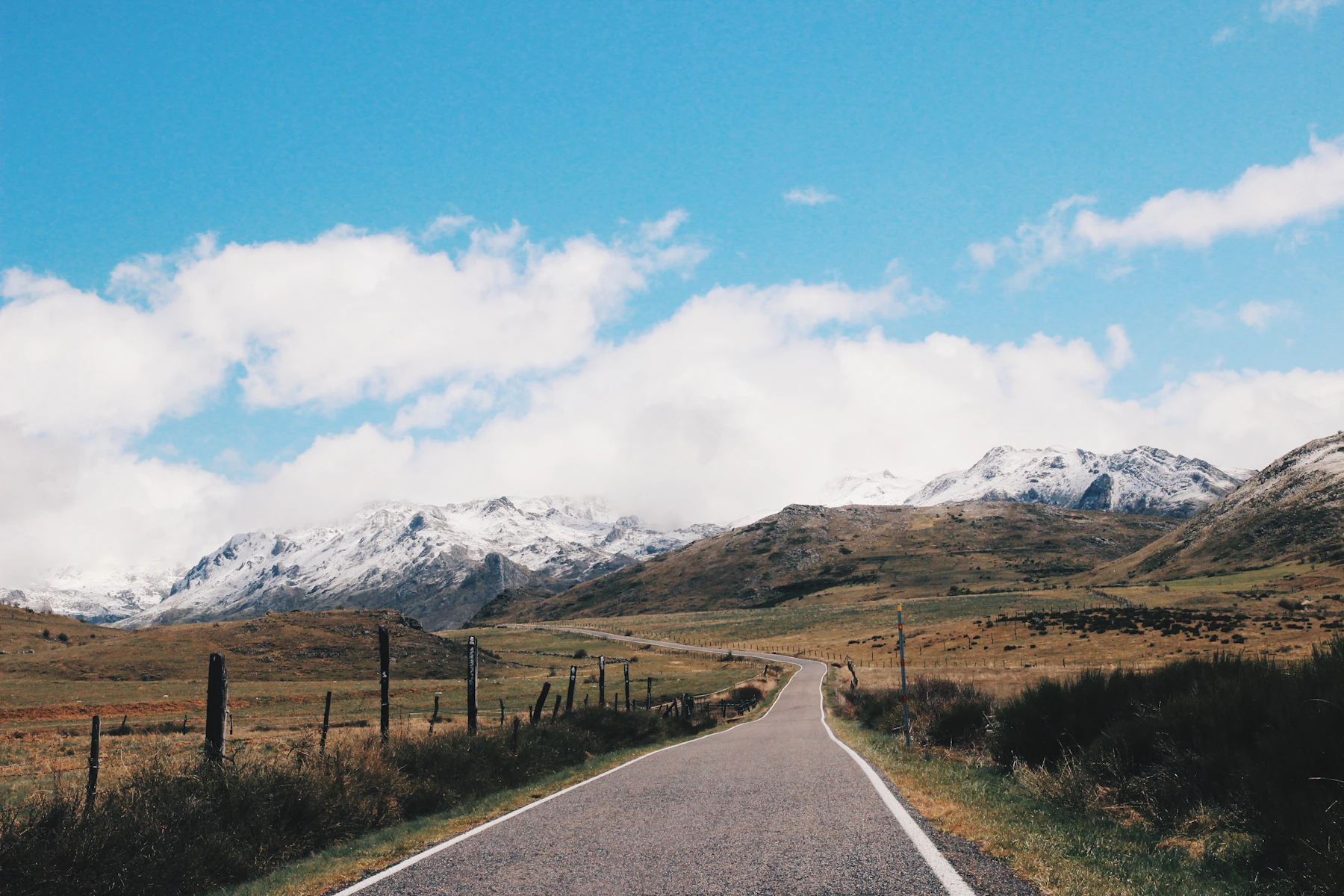
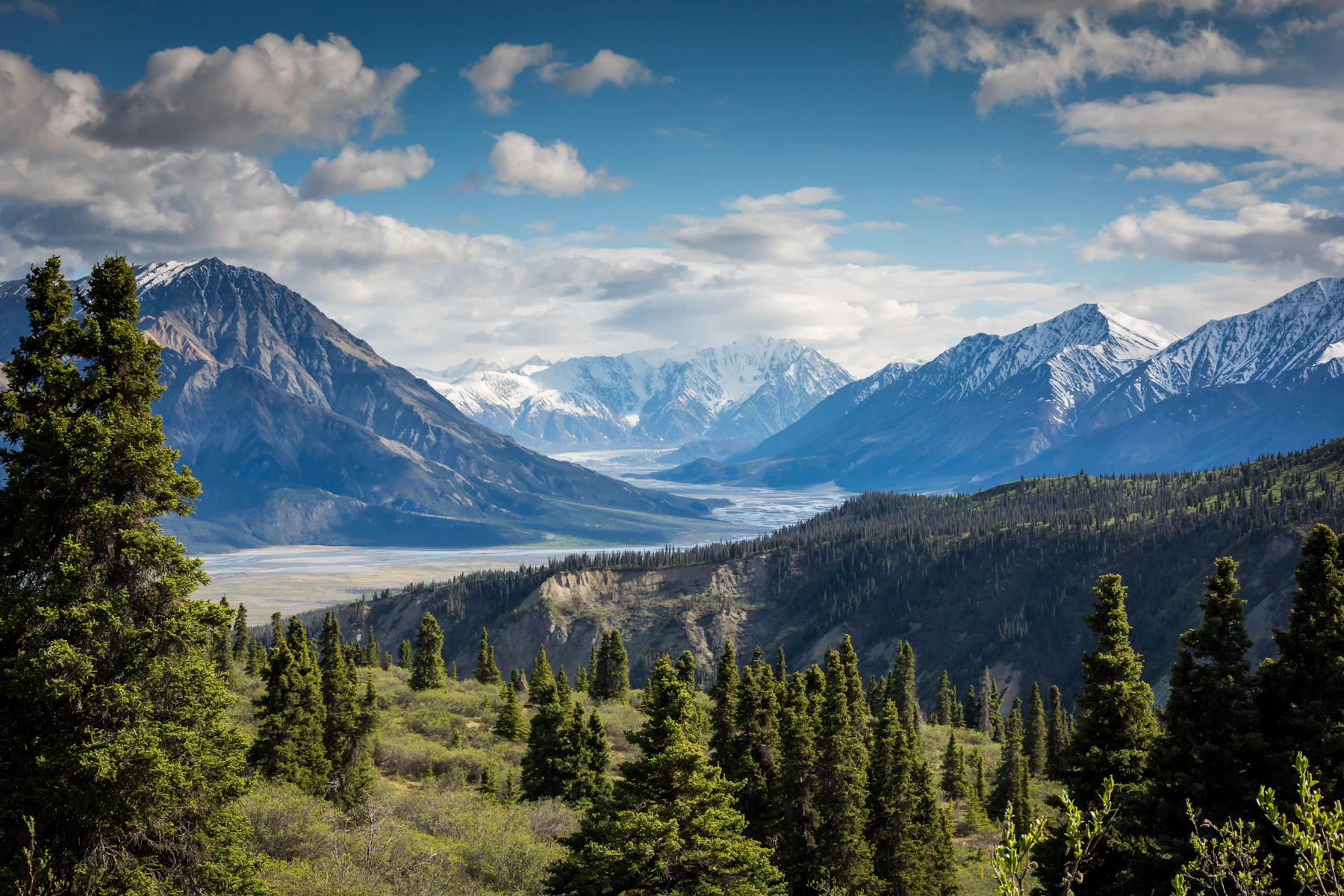
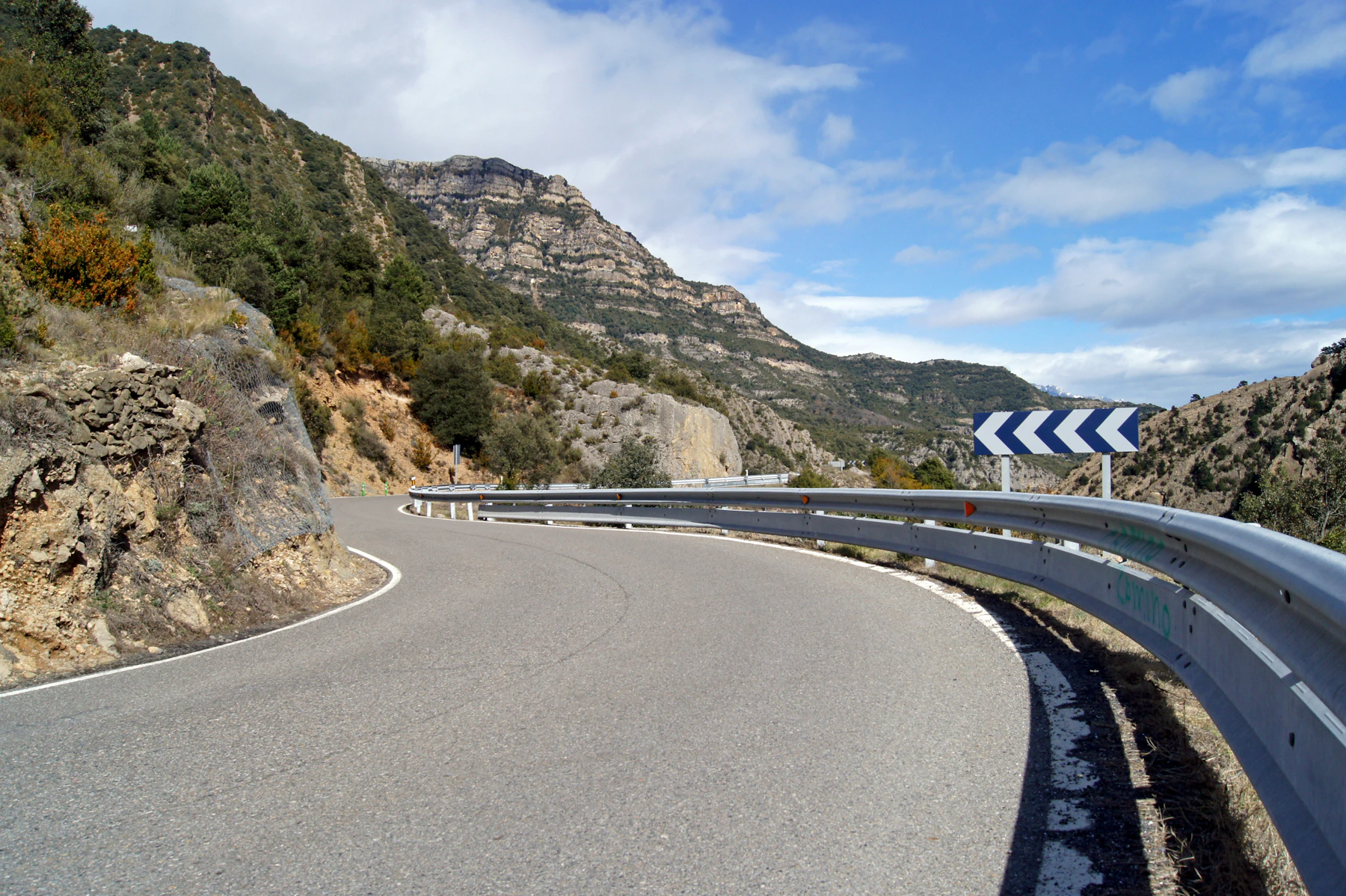
Castile and León has 98 áreas de autocaravanas mapped here, every one of them from the Junta's own register with a page you can open. It is the high meseta, mostly 700 to 900 meters, with long empty distances between small towns that run an área to get you to stop.
01 · Map
02 · Every place · 98
Group 01 · Castile and León
 AireFee not stated
Castile and León · Spain
Checked Jul 22
 AireFee not stated
Castile and León · Spain
Checked Jul 22
AireFee not statedCastile and León · Spain
Checked Jul 22
 AireFee not stated
Castile and León · Spain
Checked Jul 22
AireFee not statedCastile and León · Spain
Checked Jul 22
AireFee not statedCastile and León · Spain
Checked Jul 22
AireFee not statedCastile and León · Spain
Checked Jul 22
AireFee not statedCastile and León · Spain
Checked Jul 22
AireFee not statedCastile and León · Spain
Checked Jul 22
AireFee not statedCastile and León · Spain
Checked Jul 22
AireFee not statedCastile and León · Spain
Checked Jul 22
AireFee not statedCastile and León · Spain
Checked Jul 22
AireFee not statedCastile and León · Spain
Checked Jul 22
AireFee not statedCastile and León · Spain
Checked Jul 22
AireFee not statedCastile and León · Spain
Checked Jul 22
AireFee not statedCastile and León · Spain
Checked Jul 22
AireFee not statedCastile and León · Spain
Checked Jul 22
AireFee not statedCastile and León · Spain
Checked Jul 22
AireFee not statedCastile and León · Spain
Checked Jul 22
AireFee not statedCastile and León · Spain
Checked Jul 22
AireFee not statedCastile and León · Spain
Checked Jul 22
AireFee not statedCastile and León · Spain
Checked Jul 22
AireFee not statedCastile and León · Spain
Checked Jul 22
AireFee not statedCastile and León · Spain
Checked Jul 22
AireFee not statedCastile and León · Spain
Checked Jul 22
AireFee not statedCastile and León · Spain
Checked Jul 22
AireFee not statedCastile and León · Spain
Checked Jul 22
AireFee not statedCastile and León · Spain
Checked Jul 22
AireFee not statedCastile and León · Spain
Checked Jul 22
AireFee not statedCastile and León · Spain
Checked Jul 22
03 · Before you go
What you are arriving at
In Castile and León a stopover here means an aire de services, a stopover designated by the commune. Usually a small marked car park with a service point for water and waste, signed from the road.
Fees
Free parking and free services are two different things. Where a place charges for water or power, its own page says so. Carry coins for the ones with no price posted.
Season
None of these stopovers publishes opening hours. Where no season is published, treat the water as something to confirm rather than something to plan around, and arrive with a full tank in the cold months.
04 · The detail
Castile and León is where Spanish free camping is cheapest and emptiest, and it is the one Spanish region whose own government publishes a register of áreas de autocaravanas you can actually check.
The shape of the place explains the shape of the network. This is the northern half of the meseta, a high tableland that sits mostly between 700 and 900 meters, ringed by mountains on almost every side. It is the largest comunidad autónoma in Spain and one of the least densely populated parts of western Europe. Towns are small, far apart, and competing for a reason to make you stop rather than drive through to Madrid or the coast.
A free área de autocaravanas is a cheap way for a town of 3,000 people to do that. Put in a water tap, a drain, a few marked bays and a sign, and the people who would otherwise have passed at 100km/h buy lunch instead.
Small, municipal, plain, and usually attached to something else the town already owns. The pattern is a strip of parking next to the sports centre, the swimming pool or the feria ground.
Santa María del Páramo, in León, publishes the most detail. Its municipal page gives an área gratuita with 20 spaces and a maximum overnight stay of 96 hours, with drinking water, black and grey water disposal, a public toilet, and a municipal surveillance phone number on the listing. It sits in the middle of town next to the sports facilities.
Toral de los Vados, out west in the Bierzo, publishes 10 free spaces open 365 days a year, with two drinking water points and a grey water drain, as part of its river beach complex.
Bermillo de Sayago, in the empty country between Zamora and the Portuguese border, shows how thin the detail usually gets. Its ayuntamiento says only that the área is at Santarén and has pitches, water and electricity. No capacity, no limit, no fee. The regional register files it under área en camping, so it is not mapped here as a town stopover, and the two descriptions do not quite agree. That is a normal amount of confusion for a small Castilian town: arrive with coins, arrive with water, and read the sign at the entrance for the rest.
Worth separating before you plan around a map pin. Área Villaquirán, on the meseta in Burgos province, advertises free guarded overnight parking with a 48 hour maximum, showers, toilets, electricity, a laundry built for motorhomes and 24 hour video surveillance. It is also a private business attached to a fuel station and a restaurant, and the deal is obvious: you stay free, you buy diesel and dinner.
Nothing wrong with that, and on a long meseta crossing it is a genuinely useful stop. But a private operator can close, charge, or change the rules tomorrow in a way a municipal área usually cannot, and the town’s ordenanza does not govern its car park. Know which kind you are pulling into.
The regional register is what tells you which is which, and it is the reason this region is worth doing properly. Every área in it carries a tipo de área de servicio: área pública, área privada, or área en camping. That single field is the difference between a town’s stopover, a business, and a pitch inside a campsite, and almost nowhere else in Spain publishes it.
Take it as a strong signal rather than a guarantee. The register tags Área de Petrovicma, out on the N-620a at Villaquirán de los Infantes, as área pública even though it sits at a roadside fuel stop, and it does the same for Béjar Caravan Park. Two records out of eighty, but they are the reason the pages here say what the register says rather than promising you a town owns the tarmac. If the listing looks like a business when you get there, it is one.
The meseta is extreme at both ends, and the altitude is the reason. At Valladolid, AEMET’s 1981 to 2010 reference figures give an average January maximum of 8.2C and an average January minimum of 0.2C, against a July maximum of 30.7C. Annual rainfall is 433mm. That station sits at 734 meters and much of the region is higher.
Summer is a heat problem, not a crowd problem. July and August on the open meseta are hot, dry and glaring, and shade is the scarce resource, not parking. Small-town áreas are often a treeless strip of tarmac next to a polideportivo, which is fine in May and unpleasant at 3pm in August. The upside is that while the Spanish coast is full, you can drive across half this region and see almost nobody.
Winter is cold, clear and genuinely quiet. Frost is normal and the nights are long. Nothing here is a mild-winter destination the way Andalusia is: if you are heading south for warmth, Castile and León is the bit you cross, not the bit you stop in. If you are here anyway, for Burgos, León, Salamanca or Segovia out of season, the cities are at their best and the parking is empty.
Spring and autumn are the answer. May, June, September and early October give you the temperatures without the extremes. That is also when the water taps are most reliably on. Castilian municipalities do not publish an opening season the way French communes do, so ask the town or arrive with a full tank rather than counting on a working tap in January.
Distances are the planning constraint. This is a big, thin region. Two hours between useful stops is normal, fuel stations close on Sundays in small towns, and an área you were counting on may be full during a local fiesta. Carry more water and more diesel than the map suggests you need.
98 áreas across Castile and León, all of them from the Junta de Castilla y León’s own áreas de servicio para autocaravanas register. Every one has a page on the Junta’s tourism portal, linked from the place page, so you can check any of them before you drive. Treat 98 as a floor rather than a total: a blank part of the map is unmapped rather than empty, and out here that can mean two hours to the next one. Where this comes from
The register holds 126 áreas. The 28 not mapped here are the ones it marks área privada or área en camping, plus one with no coordinates.
What it does not tell you matters as much as what it does. The register carries no fee, no capacity, no stay limit and no list of services for any área in the region. In practice that means three things on a Castilian trip:
Read the Spain country page first. It sets out the distinction that decides every argument about motorhomes in Spain: estacionar, parking, which is traffic law, against acampar, camping, which the comunidades autónomas and the towns regulate.
For this region specifically, the DGT’s Instrucción PROT 2026/04, checked 20 July 2026, records that Castile and León’s camping decree, Decreto 9/2017 of 15 June, makes no mention of national traffic law with respect to motorhomes. Several other comunidades autónomas wrote an explicit clause saying a correctly parked motorhome is not camped. Castile and León did not, so there is nothing regional to lean on here, and the practical rules come from the traffic regulation and from each town’s ordenanza municipal.
What a particular municipality allows on its ordinary streets is set by that town’s own ordenanza. Use the town’s área where there is one, and read the town’s rule before you rely on a street instead.
The sign wins. Where a posted sign, an ordenanza municipal or the current guidance of the comunidad autónoma differs from anything on this page, they are right and this page is out of date.
05 · Frequently asked
Where a town publishes its own page, usually yes. Santa María del Páramo publishes an área gratuita with 20 spaces and a 96 hour maximum. Toral de los Vados publishes 10 free spaces, open 365 days a year. The catch is that the regional register those places come from prices none of them: it records where an área is and who it belongs to, and stops there. So bring coins, and treat a town's own page as the price list where one exists. Free also does not mean municipal. Área Villaquirán, on the Burgos meseta, advertises free overnight parking with a 48 hour maximum and is a facility beside a fuel station and a restaurant. Read who is offering it before you assume anything about the rules.
Extreme in both directions, and the altitude is why. At Valladolid, AEMET's 1981 to 2010 figures give an average January maximum of 8.2C with an average minimum of 0.2C, and a July maximum of 30.7C. Annual rainfall is 433mm, so it is dry as well as hot in summer. The nights cool off hard year round because you are at 734 meters there and higher in much of the region.
Not in a way that helps you. The DGT's Instrucción PROT 2026/04 records that Castile and León's camping decree, Decreto 9/2017 of 15 June, makes no mention of national traffic law with respect to motorhomes. That leaves the practical rules to the traffic regulation and to each town's ordenanza municipal, so the ayuntamiento page and the posted sign are what decide your night. See the Spain page for the framework.
In the north and west, and thinly everywhere else. Of the 98 mapped here, León has 28, Burgos 23 and Palencia 22, which is three quarters of the region in three provinces. Then it falls off a cliff: Segovia and Zamora have 6 each, Salamanca 5, Valladolid 4, Soria 3, and Ávila has one. If you are crossing the south of the region, from Ávila towards Segovia or down into Extremadura, plan the night before you set off rather than expecting to find something. There is no dense corridor here the way there is on the Brittany coast.
98 are mapped here, and every one of them has a page on the Junta de Castilla y León's own register that you can open before you drive. That is unusual for Spain, where most regions publish nothing you can check. The register holds 126 áreas in total; the ones not mapped here are the private facilities and the pitches inside campsites, which are somebody's business rather than a town's stopover. Treat 98 as a floor rather than a total, because a town can run an área without telling the region about it.
06 · Nearby