The unhelpful part first. Provence-Alpes-Côte d’Azur is three regions wearing one
name, and only two of them are any good for this kind of travel. Inland Provence
and the southern Alps are straightforward. The Côte d’Azur is not.
99 free places are mapped for the whole region. That is a small number for
somewhere this size and this famous, and the shape of it is the story. The 13
you can confirm against an official page before you drive are at Abriès-Ristolas
in the Queyras, Selonnet and Le Sauze and Jausiers in the Ubaye, Val d’Allos,
Saint-Étienne-les-Orgues under the Lure, Mormoiron under Ventoux, Trigance above
the Verdon gorge, Pélissanne and Saint-Martin-de-Crau in the Bouches-du-Rhône
flatland. Not one is on the Riviera. Build the route around that.
The three parts of the region
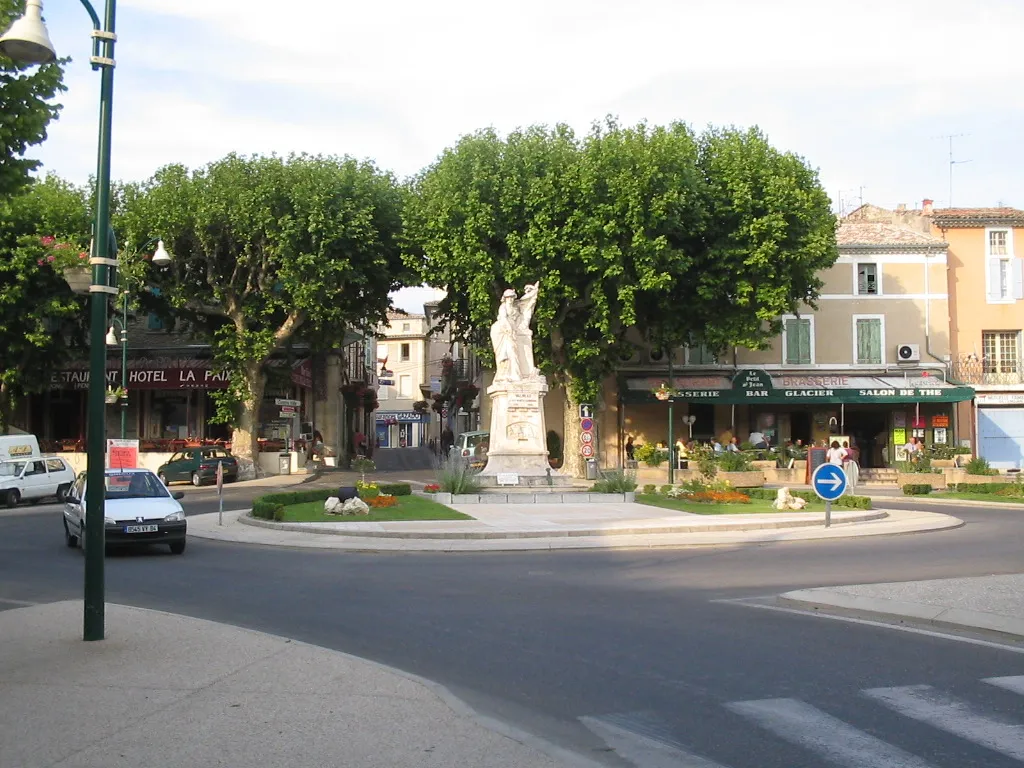
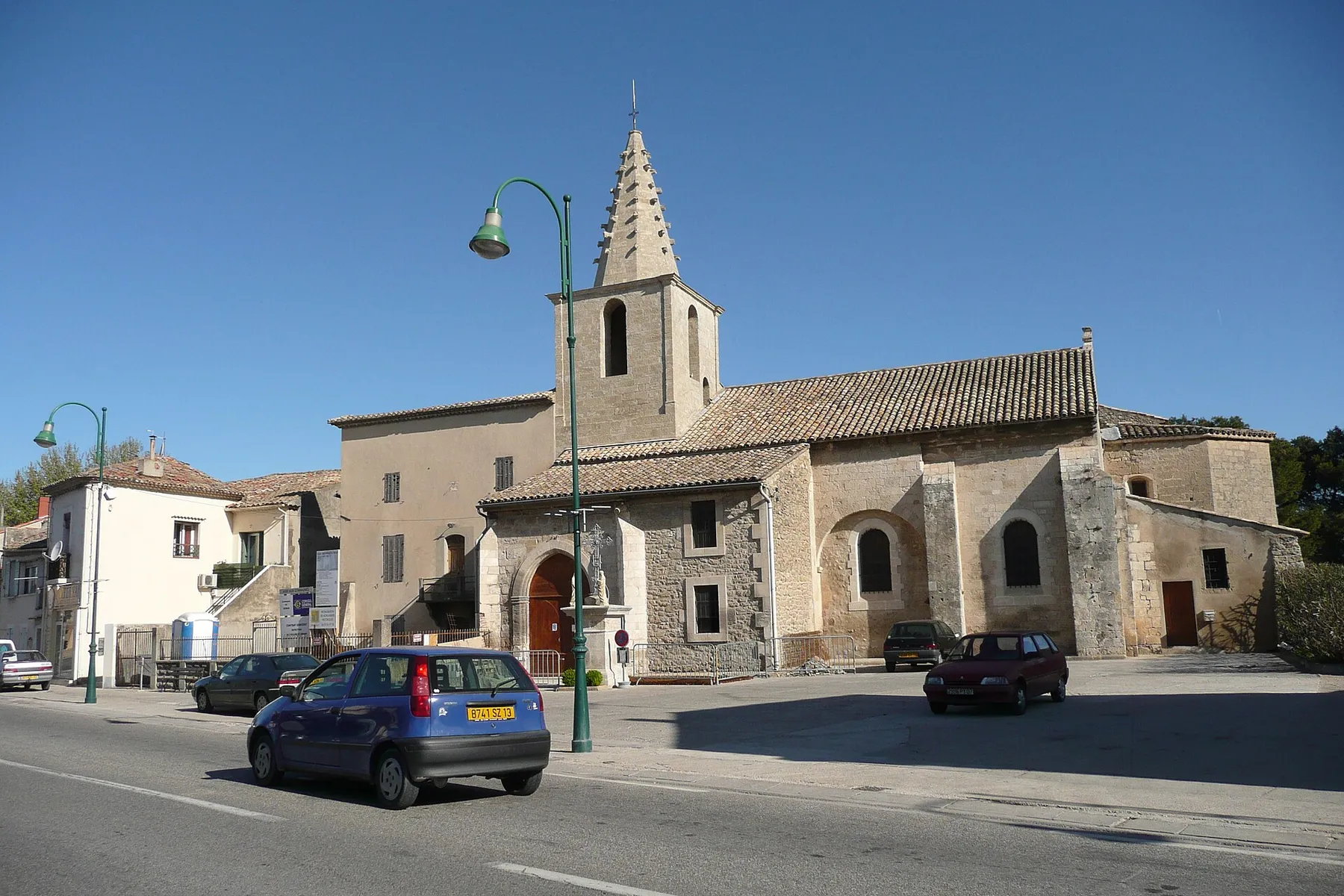
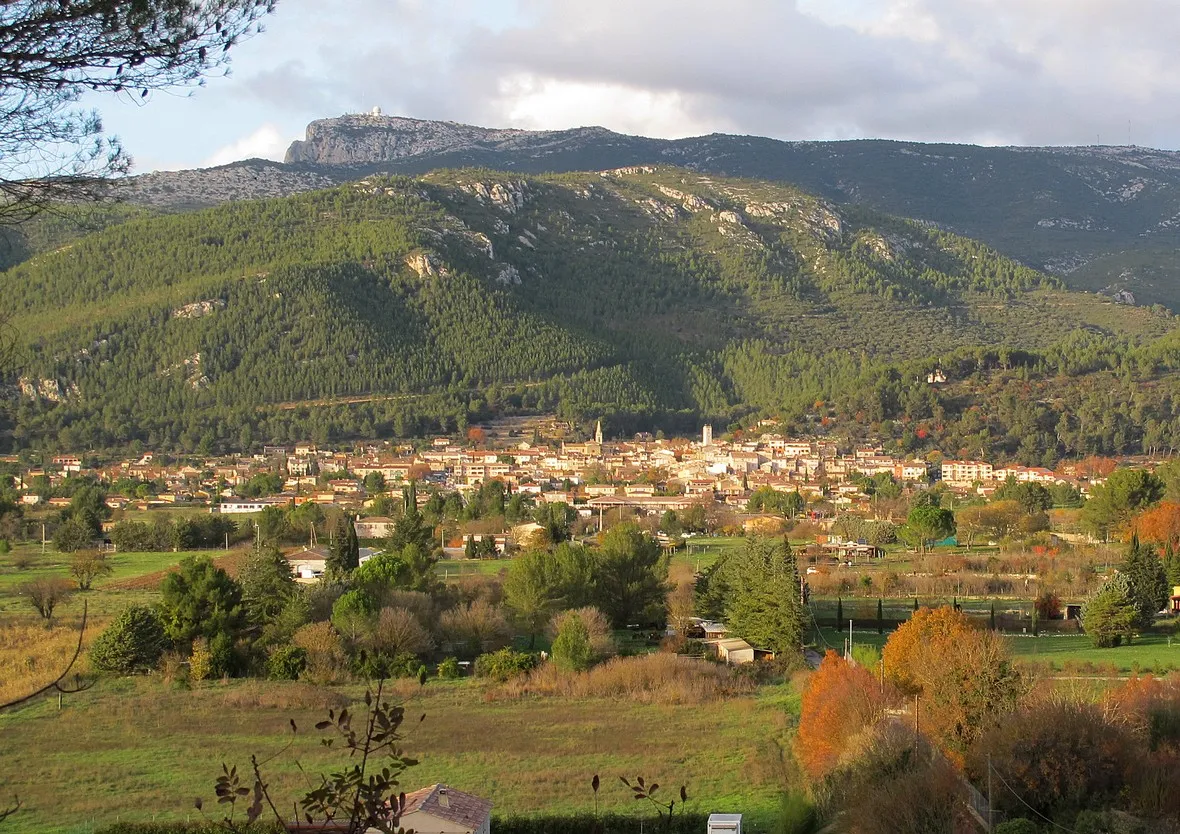
Inland Provence, roughly the Vaucluse, the Alpilles, the Crau and the country
around Forcalquier, is the easy middle ground. Villages here run small municipal
aires because motorhomes turn up and the alternative is people parking wherever.
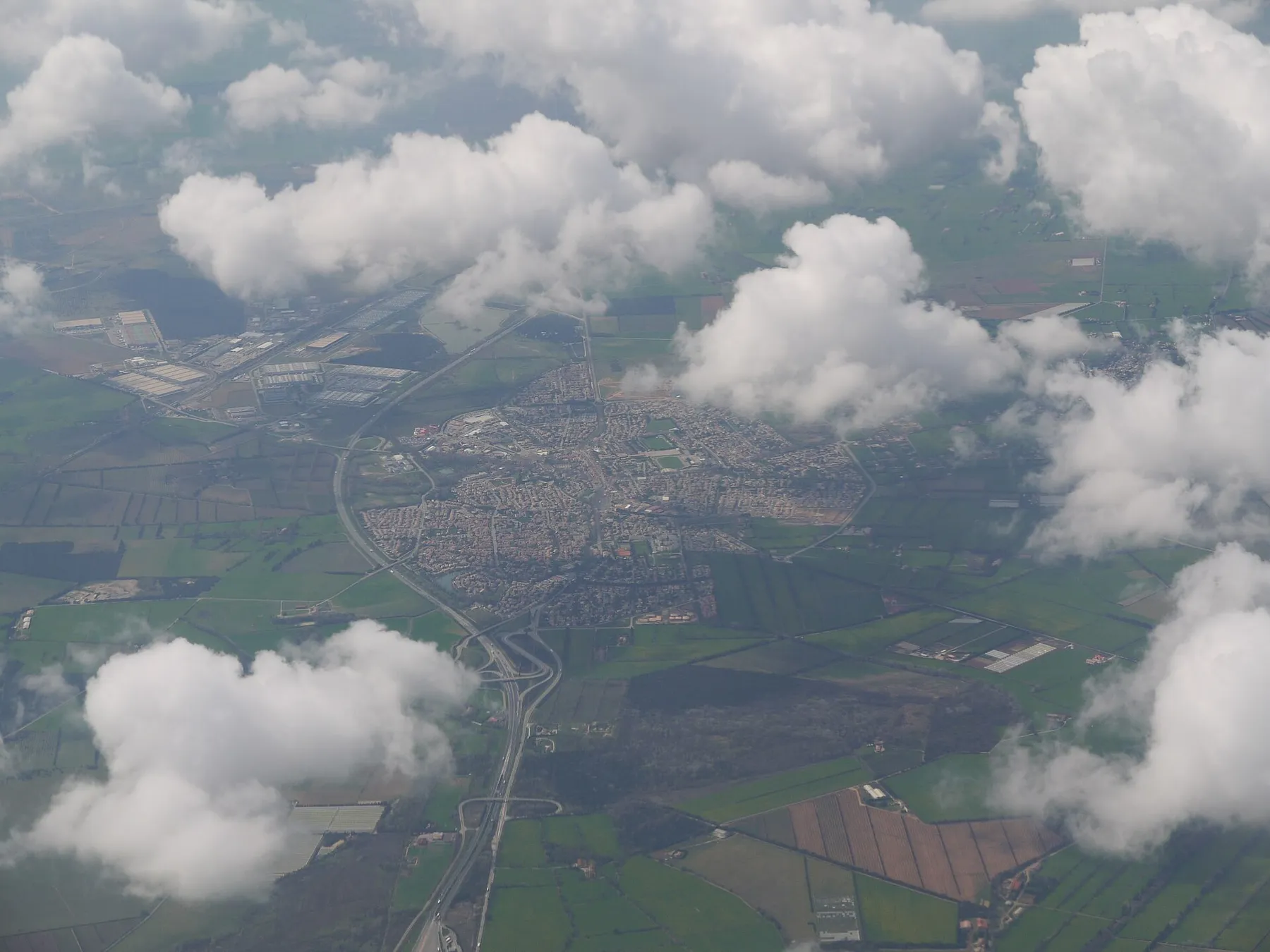
Saint-Martin-de-Crau and Pélissanne are the two largest mapped with an
official lead attached, at 6 and 22 recorded pitches respectively.
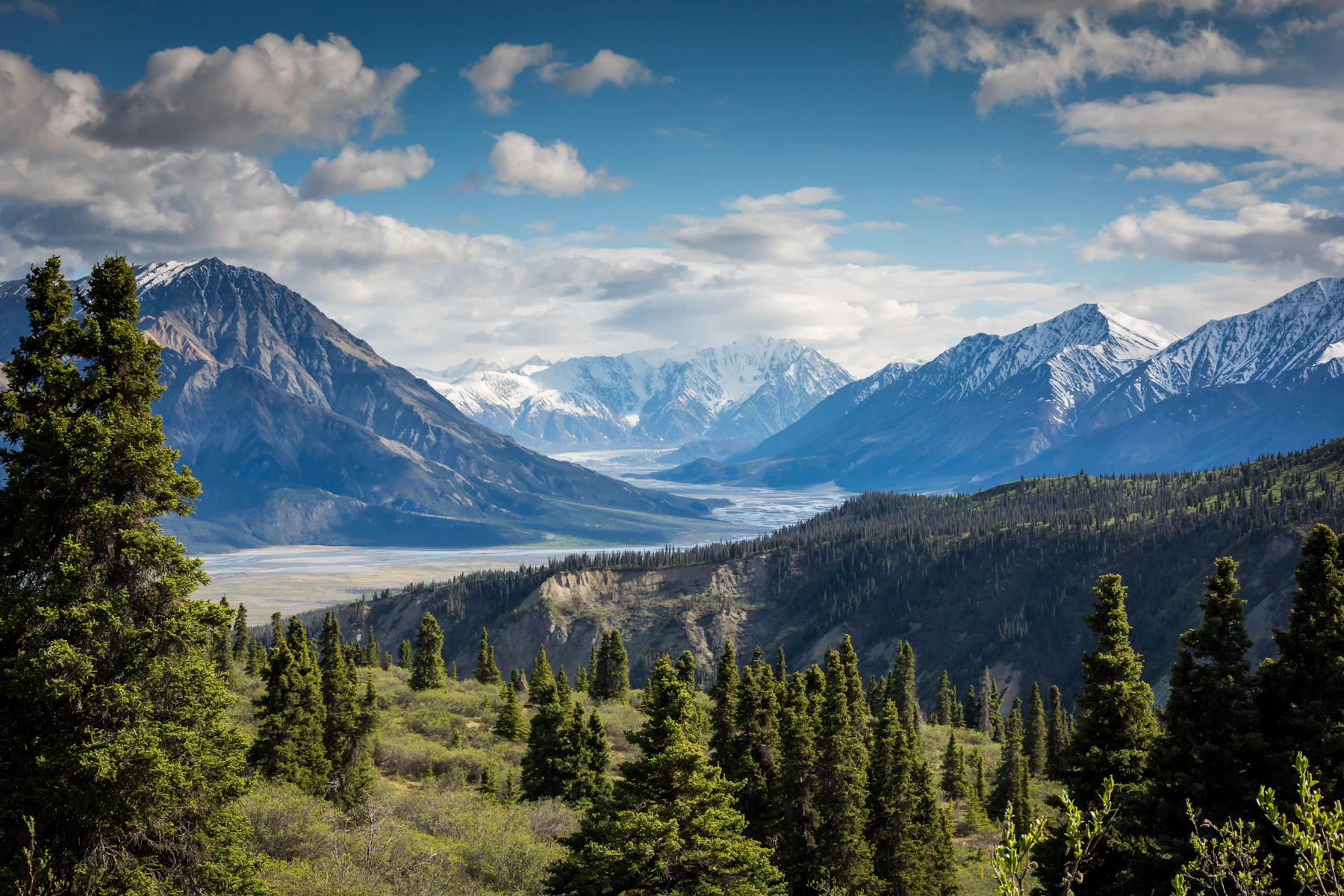
The southern Alps, meaning the Alpes-de-Haute-Provence, the Ubaye, the Queyras
and the Haut-Verdon, are where the free places actually cluster. Abriès-Ristolas,
Jausiers, Le Sauze, Val d’Allos, Selonnet: ski villages with a car park that sits
empty for eight months and a commune happy to have someone in it. The Queyras
tourist office lists Abriès-Ristolas as free, open every day, 48 hours maximum,
with water, grey and black water disposal and electric points.
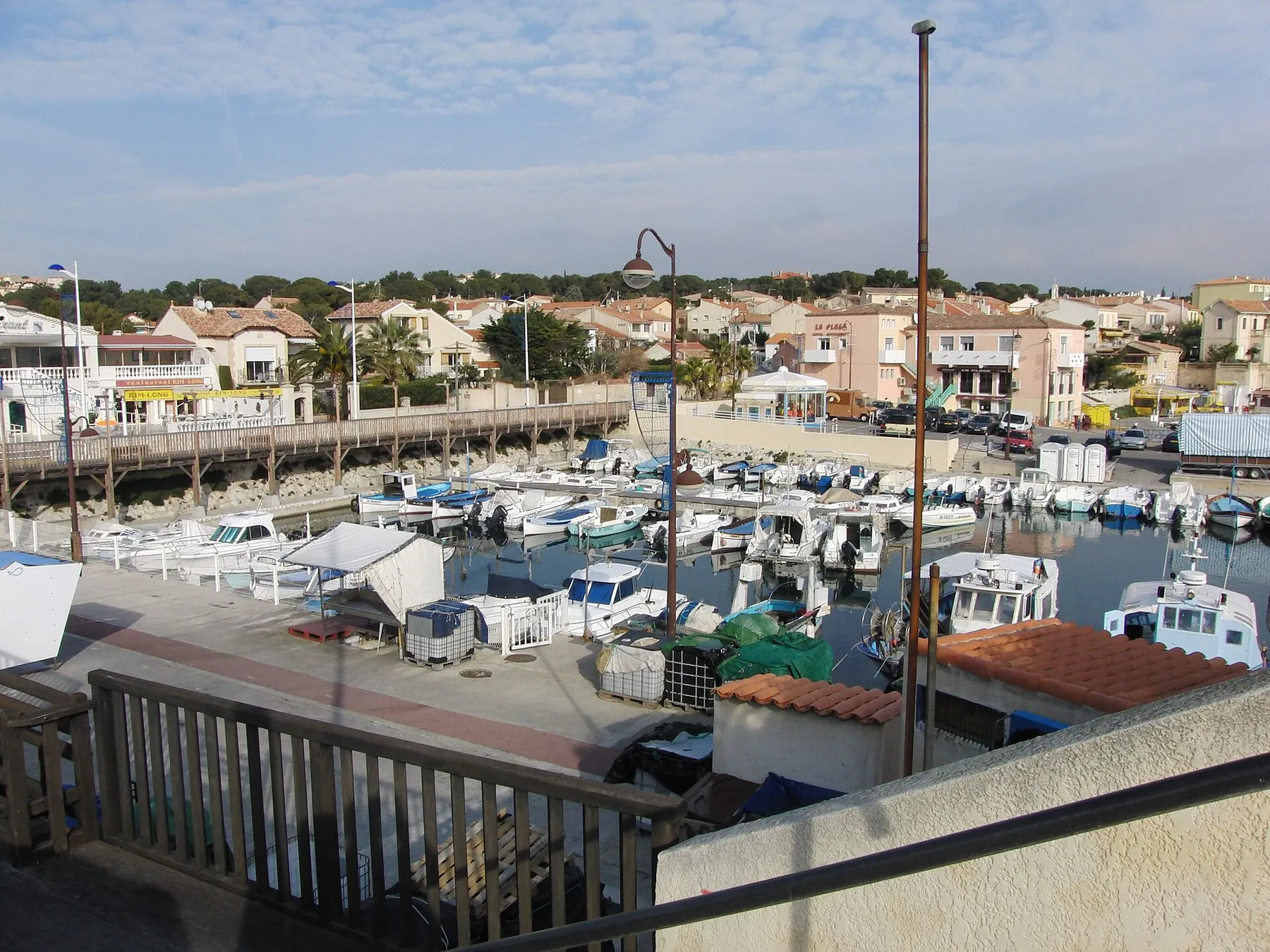
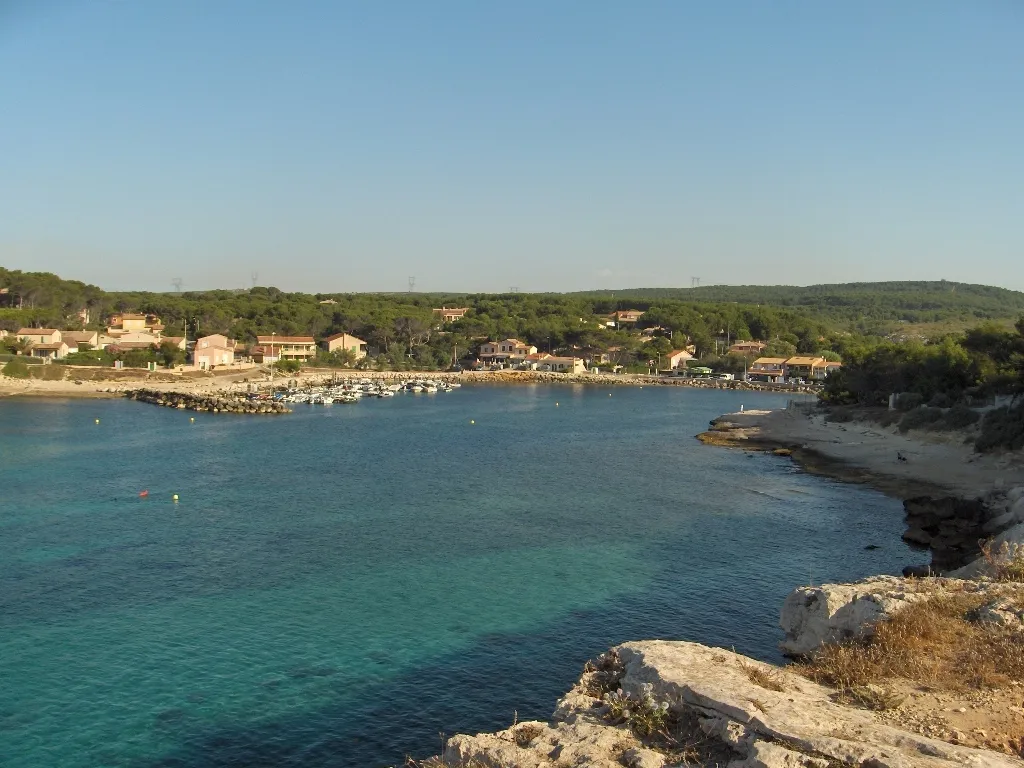
The Côte d’Azur is the hard part. No free designated stopover is mapped
anywhere along the coastal strip, so budget for a paid night if you want to
sleep near the water and keep the free ones for the days you head inland. Two
things about this coast decide more than the price does:
- The Parc national des Calanques, which runs along the coast between Marseille
and La Ciotat, prohibits bivouac and camping year round by any means. Its own
notice spells out that this covers sleeping under the stars, in a tent, in a
vehicle, in a habitable trailer or in any other mobile shelter, and that it
applies to the roadsides through the core: the D559 and the D141, the roads down
to Sormiou and Morgiou, and the stretch from Mont Rose to Callelongue. The park
states a 68 euro fine per person for bivouac and 135 euros for lighting a fire.
- The Parc national de Port-Cros, covering Port-Cros and Porquerolles, states
the core zone rule as “pas de camping ni de bivouac”. Visit for the day.
Beyond the parks, the legal machinery is the same everywhere in France. Article
R111-34 of the Code de l’urbanisme lets the plan local d’urbanisme prohibit
camping outside designated grounds in certain zones, and lets the maire prohibit
it by arrêté where it would harm public health, safety or tranquility, natural or
urban landscapes, monumental views, natural environments, or farming and forestry.
The same article adds the sentence that decides how you should behave: the
prohibitions are only enforceable against you if they have been made public by a
notice at the mairie and by signs at the usual access points. So read the sign.
It is not decoration, it is the thing that makes the rule bite.
Two things follow from that. No Riviera commune has published an arrêté you can
read in advance, so treat each town as its own question and go by what is posted
at the car park you are aiming for. And no official page lists the height
barriers on the coastal car parks, so look at the gantry before you commit to an
entrance you cannot reverse out of.
Seasonality
The region has two clocks running at once and they are almost opposites.
Inland Provence runs mid-March to mid-November. The Mormoiron aire under
Ventoux is listed as open 15 March to 15 November, and outside that window its
water and electricity are off. That pattern repeats: the parking may stay open
all year while the borne, the service point, is drained to stop it freezing. Plan
the service stop separately from the overnight stop.
The Alps run the other way. The ski villages want you in winter. Val d’Allos
lists its motorhome park as open all year, daily, with toilets, water and
emptying. Abriès-Ristolas is open every day. What you gain in availability you
pay for in altitude: these are places where a January night is genuinely cold and
where the road in can close.
July and August are the worst time to arrive without a plan. Not because of
the rules, because of the numbers. A 6 pitch village aire in the Ubaye is full by
late afternoon in August, and the nearest alternative may be 40 minutes of
mountain road away. Summer is also when fire restrictions bite hardest in the
south, and the préfet’s powers over a massif are covered on our
France bivouac and camping rules page.
Spring and autumn are the region’s real season for this. April, May, late
September and October: the aires are open, the coast has stopped being solid, and
the Verdon roads are clear.
What is mapped here
99 free places are mapped across Provence-Alpes-Côte d’Azur. Treat the count as
a floor rather than a total: a blank part of the map is unmapped rather than
empty, so keep a fallback for any leg where the pins run out.
Where this comes from
A “free” label in this region is worth checking before you rely on it:
- OSM has Selonnet and Mormoiron as free. The Alpes de Haute-Provence tourist
board lists Selonnet at 2 euros for pitch plus services and currently marks it
temporarily closed while leisure facilities are built. The Vaucluse board lists
Mormoiron at 10 euros per 24 hours, collected daily by an agent. Val d’Allos
says on its own page that the services are paying. Three of the handful with a
published price were not free in the way the map tag suggested, so open the
official page for the specific stop and keep cash for the ones you cannot.
- Sometimes the official page tells you nothing. Trigance publishes a
camping-car page with directions to the car park at the west entrance of the
village off the D90, two photographs, and no fee, capacity, season or limit.
Nothing at all is published for Le Sauze. At both, arrive with coins and treat
the sign at the entrance as the answer.
Where free places cluster
Ranked by where the confirmed ones actually are:
- Alpes-de-Haute-Provence and the Ubaye. Selonnet, Jausiers, Le Sauze,
Val d’Allos, Saint-Étienne-les-Orgues. The densest run in the region.
- The Queyras, in the Hautes-Alpes: Abriès-Ristolas at the head of the
valley, free with a 48 hour limit.
- The Verdon fringe. Trigance sits above the gorge, and the OSM record shows
its aire as seasonal, April to October, with 5 pitches.
- Ventoux and the Vaucluse, around Mormoiron and Sarrians.
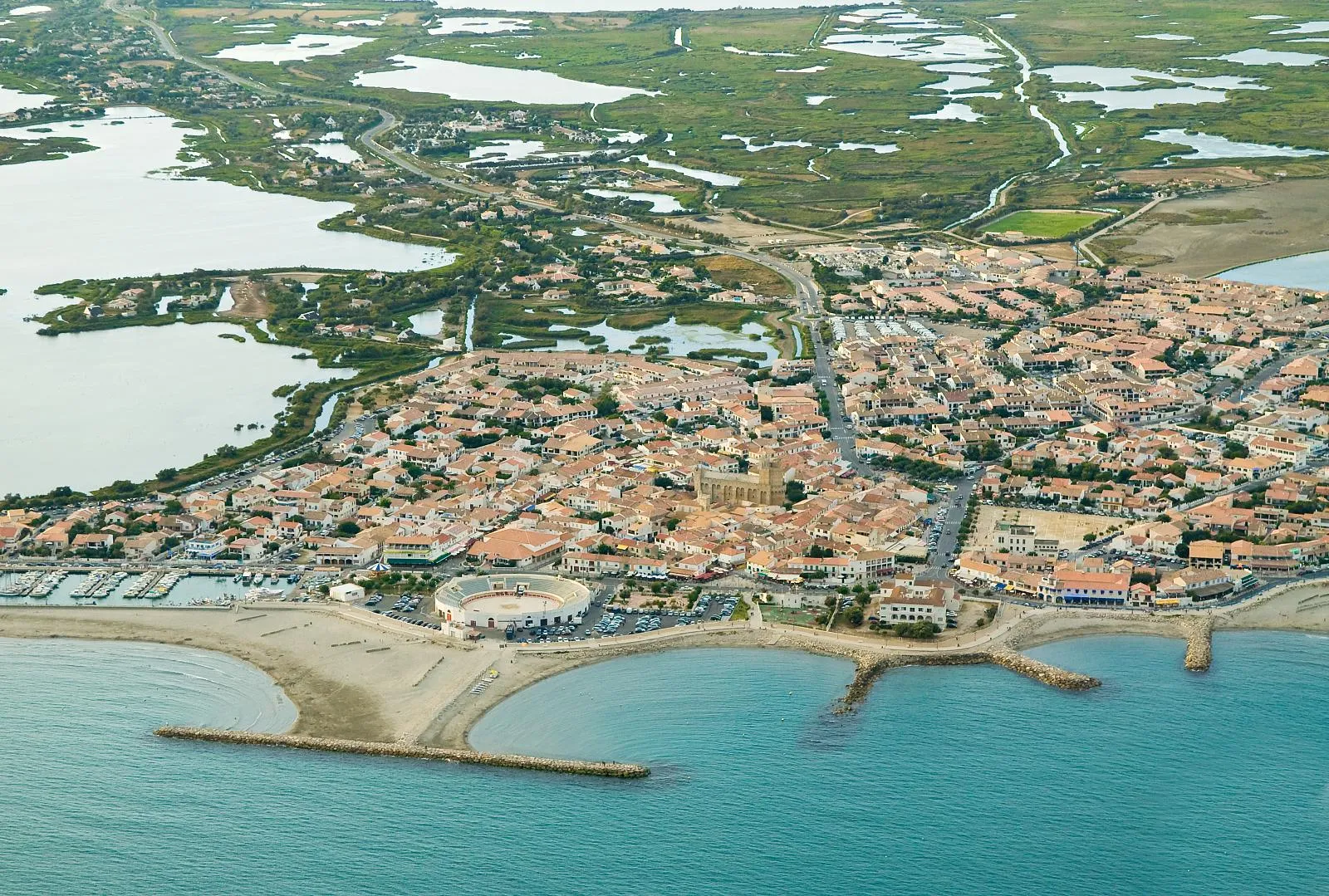
- The Bouches-du-Rhône plain, Saint-Martin-de-Crau and Pélissanne, useful
as a base for the Camargue and Arles rather than as a destination.
- The coast: effectively nothing free and designated is mapped.
Where to go next